Chestnut-naped Forktail

Chestnut-naped Forktail

Enicurus ruficapillus

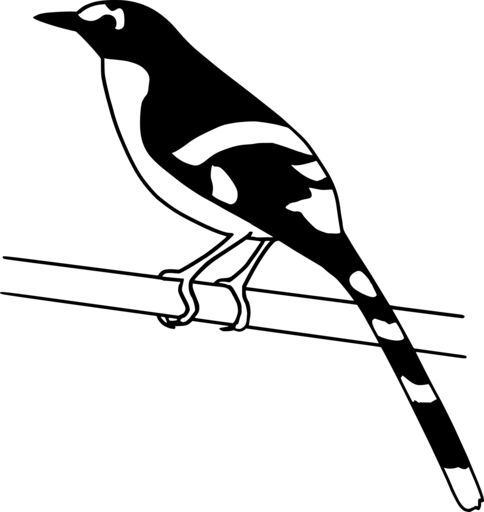
Silhouette: Andy Wilson · PhyloPic

LCNTNear ThreatenedVUENCR
Daily sighting probability ~20% · Possible
at Khao Sok National Park

In 3 days ~50% in a week ~80%

175 Verified sightings at Khao Sok National Park From 2019 to 2026
698 In all 6 parks
May Best month
🌅 Crepuscular When it's spotted

About the Chestnut-naped Forktail

The chestnut-naped forktail (Enicurus ruficapillus) is a species of bird in the flycatcher and chat family Muscicapidae. The species is monotypic, having no subspecies. It is found in Sundaland, in southern Burma and Thailand to Peninsular Malaysia, as well as Sumatra and Borneo. The species is not migratory.

The species is found along clear rivers and streams in lowland and hill rainforest. It can also be found in secondary scrub, dry ridges, and along logging roads. It is found from sea-level to 1,300 m (4,300 ft), except in southern Thailand, where it only reaches 900 m (3,000 ft).

The chestnut-naped forktail is 18 to 20 cm (7.1–7.9 in) long and weighs 27 g (0.95 oz). The head of the male is chestnut-coloured, with a white forehead and black mask in front of the eye. The wings are black with a white wing-bar. The breast is white with black barring, fading towards the white belly. The rump is white and the tail is black with white stripes and a white tip. The female is the same as the male except the back and mantle is chestnut. The chestnut-naped forktail calls in flight, either a single or three whistles.

Chestnut... Wikipedia →

Sounds

Call1:30

Thailand · 2024

© Greg Irving · XC923367 · CC BY-NC-SA 4.0

Song0:31

Malaysia · 2024

© Lim Ying Hien · XC917269 · CC BY-NC-ND 4.0

Song0:12

Malaysia · 2023

© Yeap Soon Pin · XC864580 · CC BY-NC-SA 4.0

Global Distribution

Parks Where Found

# Park Country Daily sighting probability
1 Khao Luang National Park 🇹🇭 Thailand
~30%
2 Khao Sok National Park 🇹🇭 Thailand
~20%
3 Danum Valley Conservation Area 🇲🇾 Malaysia
~10%
4 Gunung Leuser National Park 🇮🇩 Indonesia
~10%
5 Taman Negara National Park 🇲🇾 Malaysia
<5%
6 Kinabalu Park 🇲🇾 Malaysia
<5%

Before you go

What are the chances of seeing a Chestnut-naped Forktail in Khao Sok National Park?

Possible

About 20% of wildlife watchers report a Chestnut-naped Forktail sighting in Khao Sok National Park on a given day, based on 175 verified sightings from GBIF citizen-science data from 2019 to 2026. It is the 38th most-seen of the 213 birds we can rate there. Over three days the chance rises to about 50%, and over a week to about 80%, if each day is a fresh chance.

When is the best time to see a Chestnut-naped Forktail in Khao Sok National Park?

May

In that month about 50% of wildlife watchers report a Chestnut-naped Forktail in Khao Sok National Park on a given day, against about 10% in April and July–December, the lowest months.

What time of day is best to see a Chestnut-naped Forktail?

Between 2 and 5 am

Across all the parks we cover, that three-hour window holds the most Chestnut-naped Forktail sightings with a recorded time, and about half of them come between 6 pm and 6 am: it is most active around dawn and dusk.

Is Khao Sok National Park the best place to see a Chestnut-naped Forktail?

2nd of 6

Of the 6 parks where we can rate Chestnut-naped Forktail sightings, Khao Sok National Park ranks 2nd at about 20%. The best odds are in Khao Luang National Park (Thailand, about 30%).

Which relatives of the Chestnut-naped Forktail live in Khao Sok National Park?

Same family: Muscicapidae

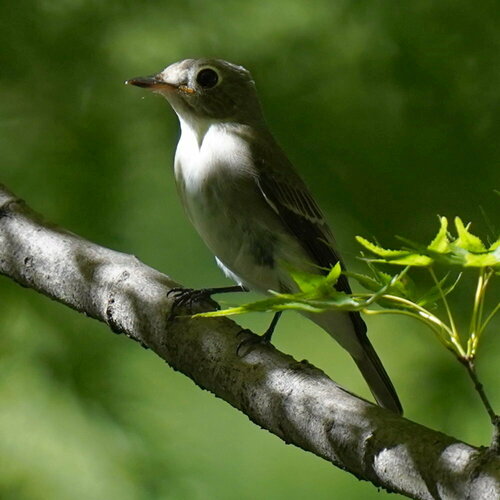
The closest relatives of the Chestnut-naped Forktail that you can see in Khao Sok National Park (family Muscicapidae, Old World Flycatchers, Robins, and Chats) are White-rumped Shama (about 60%), Asian Brown Flycatcher (about 40%) and Oriental Magpie-Robin (about 40%), with each one's daily chance of a sighting.

Where does the Chestnut-naped Forktail sighting chance come from?

GBIF citizen-science records

It is estimated from how often the Chestnut-naped Forktail is recorded against all the birds logged in Khao Sok National Park (175 verified sightings from 2019 to 2026), calibrated against known sighting rates. Figures are rounded to the nearest 10% because citizen-science data supports honest approximations, not decimals, and months with records from fewer than five people show "—". How it works.

← Back to Khao Sok National Park