Gliding gecko

Gliding gecko

Gekko kuhli

Silhouette: PhyloPic

LCLeast ConcernNTVUENCR
Daily sighting probability ~10% · With luck
at Kinabalu Park

In 3 days ~30% in a week ~60%

7 Verified sightings at Kinabalu Park From 2019 to 2026
14 In all 2 parks
June Best month
🌙 Nocturnal When it's spotted

About the Gliding gecko

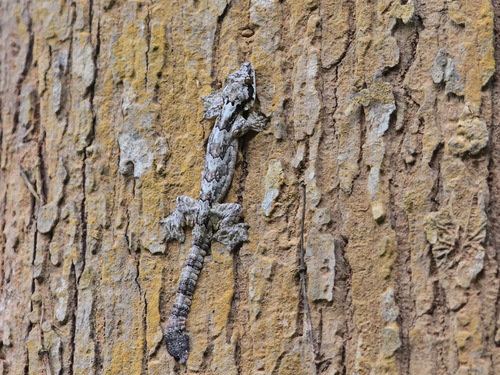
Gekko kuhli, commonly known as Kuhl's flying gecko, Kuhl's parachute gecko, or the gliding gecko, is a species of lizard in the family Gekkonidae. The species is found in Southeast Asia. The specific name, kuhli, is in honor of German zoologist Heinrich Kuhl.

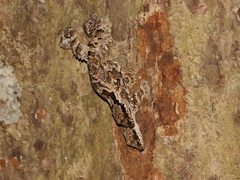
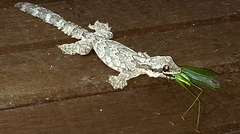
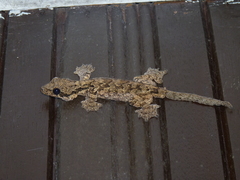
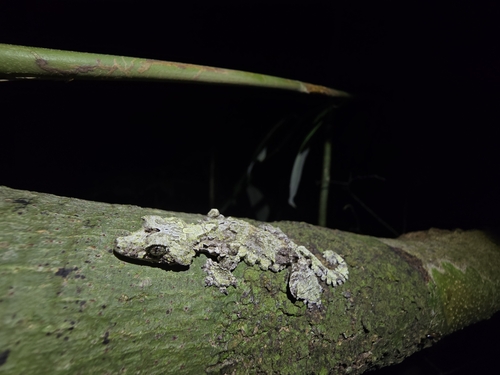
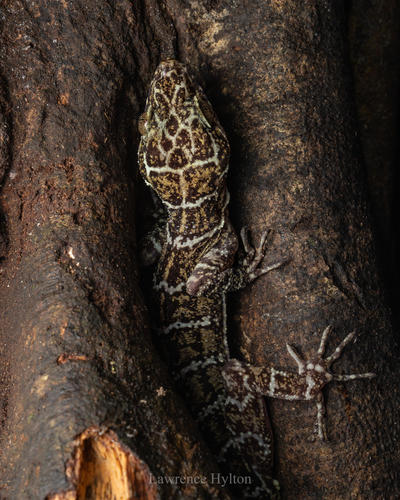
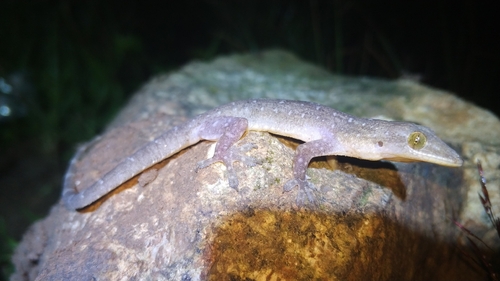
G. kuhli has adaptations to its skin, including flaps on either side of its body, webbed feet, and a flattened tail to allow it to glide over short distances. This gecko has a remarkable camouflage. The flaps of skin along its sides help it blend with tree bark. Often, its eyes are the only way to distinguish it from its surroundings. This use of camouflage by G. kuhli has caused need for some other adaptions to protect it from the increased UV exposure. Despite being nocturnal, it is considered heliothermic because of the extended sun exposure it receives while resting during the day. This increased UV exposure has led to the adaption of pigmented internal organs to protect the lizard's more important organs from UV damage.

Kuhl's flying gecko, like many other gecko species, has evolved intricate toe pads with microscopic hairs that can adhere to nearly any surface, including glass. ��2�... Wikipedia →

Global Distribution

Parks Where Found

# Park Country Daily sighting probability
1 Gunung Leuser National Park 🇮🇩 Indonesia
~10%
2 Kinabalu Park 🇲🇾 Malaysia
~10%

Zoos & Centres Where Found

# Zoo / Centre Country
1 Yaroslavl Zoo 🇷🇺 Russia In captivity

Before you go

What are the chances of seeing a Gliding gecko in Kinabalu Park?

With luck

About 10% of wildlife watchers report a Gliding gecko sighting in Kinabalu Park on a given day, based on 7 verified sightings from GBIF citizen-science data from 2019 to 2026. It is the 50th most-seen of the 69 reptiles we can rate there. Over three days the chance rises to about 30%, and over a week to about 60%, if each day is a fresh chance.

When is the best time to see a Gliding gecko in Kinabalu Park?

June

In that month about 30% of wildlife watchers report a Gliding gecko in Kinabalu Park on a given day, against under 5% in January, March–May, September and November, the lowest months. That is one of Kinabalu Park's wettest months, with about 550 mm of rain against 180 mm in February.

What time of day is best to see a Gliding gecko?

Between 7 and 10 pm

Across all the parks we cover, that three-hour window holds the most Gliding gecko sightings with a recorded time, and about 7 in 10 of them come between 6 pm and 6 am: it is mostly seen at night.

Is Kinabalu Park the best place to see a Gliding gecko?

Among the best

Of the 2 parks where we can rate Gliding gecko sightings, Kinabalu Park ranks 2nd at about 10%, level with the leaders once rounded. The best odds are in Gunung Leuser National Park (Indonesia, about 10%).

Which relatives of the Gliding gecko live in Kinabalu Park?

Same genus: Gekko

The closest relatives of the Gliding gecko that you can see in Kinabalu Park (genus Gekko, Calling Geckos) are Spotted House Gecko (about 30%), Sabah Flying Gecko (about 30%) and Tokay Gecko (about 10%), with each one's daily chance of a sighting.

Where does the Gliding gecko sighting chance come from?

GBIF citizen-science records

It is estimated from how often the Gliding gecko is recorded against all the reptiles logged in Kinabalu Park (7 verified sightings from 2019 to 2026), calibrated against known sighting rates. Figures are rounded to the nearest 10% because citizen-science data supports honest approximations, not decimals, and months with records from fewer than five people show "—". How it works.

← Back to Kinabalu Park