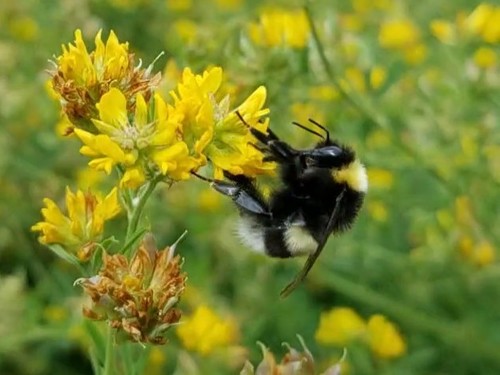
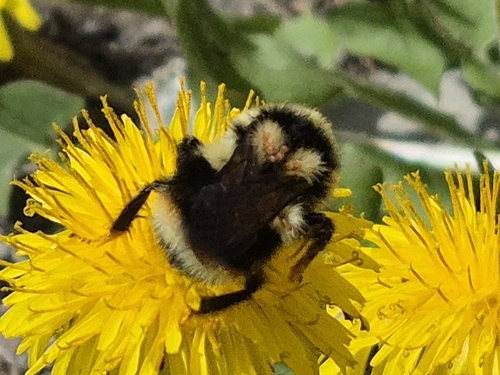
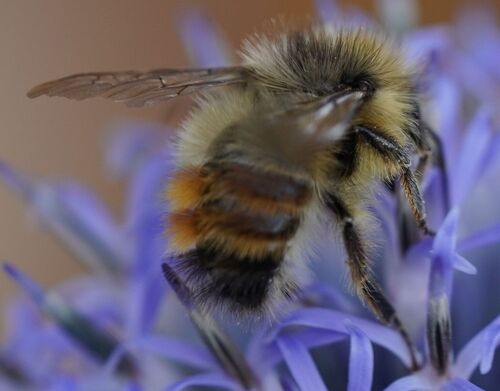
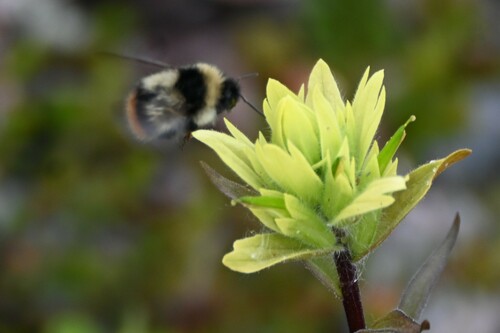
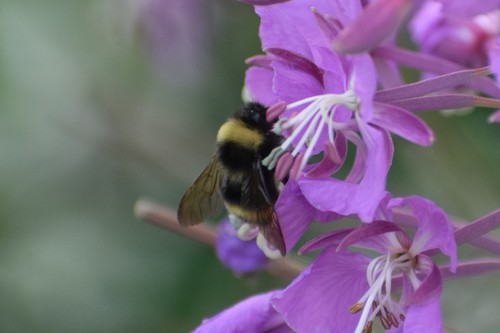
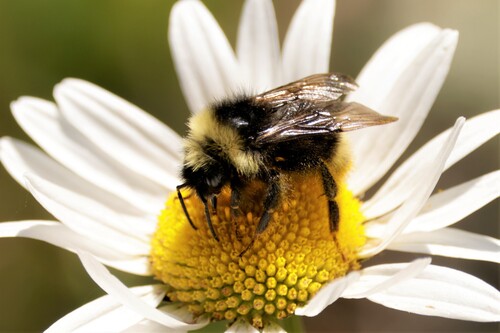
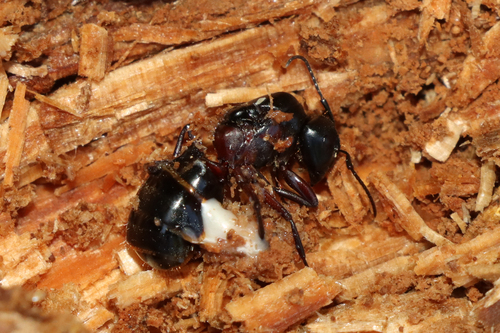
Cryptic Bumble Bee

Cryptic Bumble Bee

Bombus cryptarum

Daily sighting probability ~20% · Possible
at Kluane National Park

In 3 days ~50% in a week ~80%

7 Verified sightings at Kluane National Park From 2019 to 2026
105 In all 6 parks
July Best month
☀️ Diurnal When it's spotted

About the Cryptic Bumble Bee

Bombus cryptarum is a species of bumblebee. It is native to the northern hemisphere, where it is "one of the most widespread bumblebees in the world." It occurs throughout Europe, Asia, and western North America. It is known commonly as the cryptic bumblebee.

The complete distribution of the species is unclear due to taxonomic uncertainties. It is part of a species complex of several bees in the subgenus Bombus sensu stricto, which are very similar and difficult to tell apart.

It has only recently been identified in the British Isles. Bombus cryptarum differs from Bombus magnus phylogenetically and in labial gland secretions. Bombus cryptarum florilegus, an endangered subspecies in Japan, had previously been identified as having a close relationship with Bombus lucorum. Bombus cryptarum florilegus was found to have low genetic diversity in Japan and maintained their own population with immigration from Notsuke Peninsula to the Chishima (Kuril) Islands

In northern areas this bee lives on plains, especially in heather ecosystems. In southern regions it can be found in mountain habitat. Wikipedia →

Global Distribution

Parks Where Found

# Park Country Daily sighting probability
1 Wrangell-St. Elias National Park 🇺🇸 United States
~40%
2 Denali National Park 🇺🇸 United States
~30%
3 Kluane National Park 🇨🇦 Canada
~20%
4 Jasper National Park 🇨🇦 Canada
~10%
5 Elk Island National Park 🇨🇦 Canada
~10%
6 Banff National Park 🇨🇦 Canada
~10%

Cities Where Found

# City Country Daily sighting probability
1 Calgary 🇨🇦 Canada
~20%
2 Edmonton 🇨🇦 Canada
~10%

Before you go

What are the chances of seeing a Cryptic Bumble Bee in Kluane National Park?

Possible

About 20% of wildlife watchers report a Cryptic Bumble Bee sighting in Kluane National Park on a given day, based on 7 verified sightings from GBIF citizen-science data from 2019 to 2026. It is the 28th most-seen of the 39 insects we can rate there. Over three days the chance rises to about 50%, and over a week to about 80%, if each day is a fresh chance.

When is the best time to see a Cryptic Bumble Bee in Kluane National Park?

July

In that month about 30% of wildlife watchers report a Cryptic Bumble Bee in Kluane National Park on a given day, against under 5% in April–June and September, the lowest months. That is one of Kluane National Park's driest months, with about 50 mm of rain against 160 mm in October. January–February and November have too few records to rate.

What time of day is best to see a Cryptic Bumble Bee?

Between 11 am and 2 pm

Across all the parks we cover, that three-hour window holds the most Cryptic Bumble Bee sightings with a recorded time, and about 9 in 10 of them come between 6 am and 6 pm: it is a daytime animal.

Is Kluane National Park the best place to see a Cryptic Bumble Bee?

3rd of 6

Of the 6 parks where we can rate Cryptic Bumble Bee sightings, Kluane National Park ranks 3rd at about 20%. The best odds are in Wrangell-St. Elias National Park (United States, about 40%) and Denali National Park (United States, about 30%).

Which relatives of the Cryptic Bumble Bee live in Kluane National Park?

Same genus: Bombus

The closest relatives of the Cryptic Bumble Bee that you can see in Kluane National Park (genus Bombus, Bumble Bees) are Vancouver Bumble Bee (about 40%), Yellow-Fronted Bumble Bee (about 40%) and Frigid Bumble Bee (about 30%), with each one's daily chance of a sighting.

Where does the Cryptic Bumble Bee sighting chance come from?

GBIF citizen-science records

It is estimated from how often the Cryptic Bumble Bee is recorded against all the insects logged in Kluane National Park (7 verified sightings from 2019 to 2026), calibrated against known sighting rates. Figures are rounded to the nearest 10% because citizen-science data supports honest approximations, not decimals, and months with records from fewer than five people show "—". How it works.

← Back to Kluane National Park