




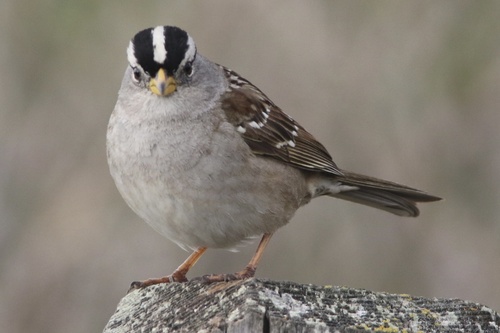

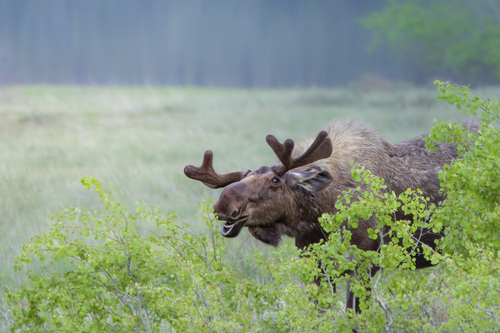


All 2 in 3 days here: ~60%
Wrangell-St. Elias National Park
🇺🇸 United States
North America, United States 445 spp. recorded
Wrangell-St. Elias National Park is a massive protected mountain and coastal region in southeastern Alaska, defined by towering glacial peaks, braided rivers, and sweeping boreal forests. It stands apart through its sheer scale and raw, roadless expanse, uniting alpine heights with a wild Pacific coastline.
61.530° N 142.921° W
🦜 Nature

193 Species sighted
5,064 Verified sightings From 2019 to 2026
Jul Best month
⭐ Iconic Species
📊 Most Spotted
⭐ Iconic Species
📊 Most Spotted
📊 Most Spotted
📊 Most Spotted
📊 Most Spotted
📊 Most Spotted
+ 335 more species with insufficient data
Challenges you can complete here
Recent sightings in Wrangell-St. Elias National Park
LIVEiNaturalistSighting Calendar
How many species you'd see in a day
—
No data
Jan12Feb
15Mar
20Apr
24May
26Jun
29Jul
27Aug
16Sep
0.1Oct
—
No data
Nov—
No data
DecSighting Zones
Warmer areas are where all species together are recorded most often.
-
Visitor centre
-
McCarthy (town)








🏕️ Experience
Essentials
Climate
Temp °C Rain mm
JanFebMarAprMayJunJulAugSepOctNovDec
0.0 Good
Wallace's Line Score
How good is this park for seeing wildlife? 🦜
Biodiversity
ExcellentHow rich is the wildlife?
5.0
Species by taxon
🦅 Birds 334
🐒 Mammals 101
🦎 Reptiles 3
🐸 Amphibians 7
445 Total Species
828 Global average across 316 parks
32 Threatened 1 Endemic
🔭
Sighting
GoodHow likely to see animals?
2.9
🎯
Top-12 Avg Probability
55% 📊
Coverage (110 species at ≥5% of 445 in the inventory)
25% 🔀
Taxon variety in top 12 (8 bird, 4 mammal)
59% 🔭
Species per 10 outings (distinct species a visitor would meet over 10 outings — effort held equal across parks)
84 🌟
Iconic-group species (≥15%) (every species from the 19 iconic groups — monkeys, cats, toucans, macaws, sloths, crocodilians… — not just the 4 highlighted above)
12 ⭐
High-prob species (>40%)
12 🏕️
Experience
Very goodHow easy and pleasant is the visit?
3.8
Climate Harsh Low
Entrance Free High
Tourism Medium Medium
Trails Moderate Medium
World Heritage Yes Bonus
What visitors say
On the drive back, we saw our first grizzlies of Alaska (all other bear sightings up to now had been in Canada).
On to upper Skolai Lake, the face of Russell Glacier to this very cool little plateau I call “Great Bear Valley” (because we see a bear or bears there every single time we backpack it), across Russell Glacier.
Before you go
What animals can you see in Wrangell-St. Elias National Park?
445 species
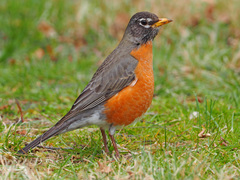
Wrangell-St. Elias National Park has 445 recorded vertebrate species. The ones wildlife watchers report most often on a given day are American Robin (about 70%), Harbor Seal (about 70%), Dark-eyed Junco (about 70%), Common Raven (about 60%) and Yellow-rumped Warbler (about 60%).
When is the best time to visit Wrangell-St. Elias National Park for wildlife?
May and July
In those months the park's 12 most-seen species average about 60% on a given day, against about 40% in February, April and September.
Can you see a Brown Bear in Wrangell-St. Elias National Park?
Yes
About 50% of wildlife watchers report a Brown Bear sighting in Wrangell-St. Elias National Park on a given day, based on 25 verified sightings from GBIF citizen-science data from 2019 to 2026. The best time is July (about 70%).
Where in Wrangell-St. Elias National Park is wildlife easiest to see?
Around Disenchantment Bay
The richest sighting zone is around Disenchantment Bay, followed by Visitor centre and McCarthy (town), ranked by how many of the park's headline animals visitors can expect to see in each. See the zones on the map.
Is Wrangell-St. Elias National Park good for wildlife watching?
3.5 out of 5
On the Wallace's Line Score, Wrangell-St. Elias National Park rates 3.5/5: 191st of 316 parks worldwide and 24th in North America. 15 of its species are reported by about 40% or more of wildlife watchers on a given day.


