Vancouver Bumble Bee

Vancouver Bumble Bee

Bombus vancouverensis

Daily sighting probability ~40% · Likely
at Kluane National Park

In 3 days ~80% in a week >90%

27 Verified sightings at Kluane National Park From 2019 to 2026
496 In all 12 parks
July Best month
☀️ Diurnal When it's spotted

About the Vancouver Bumble Bee

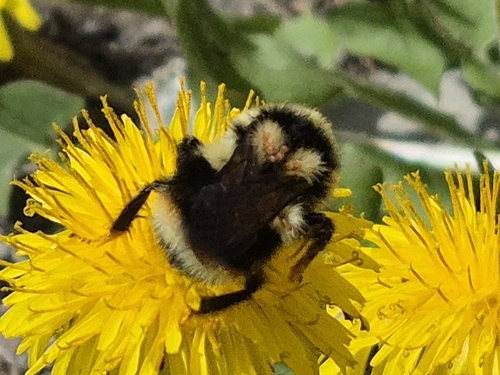
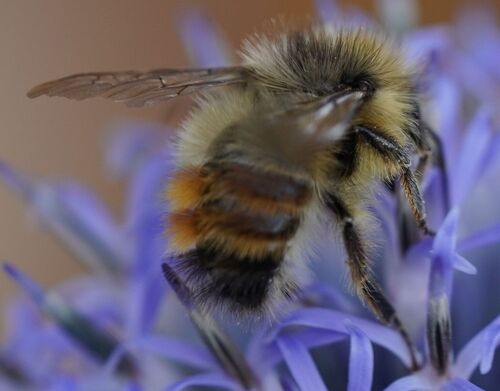
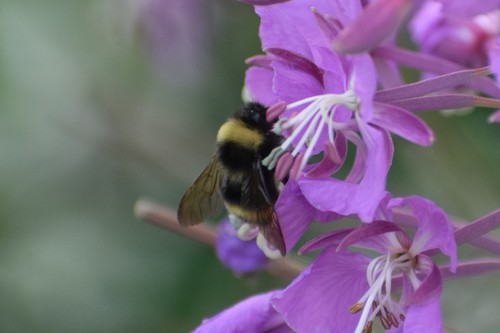
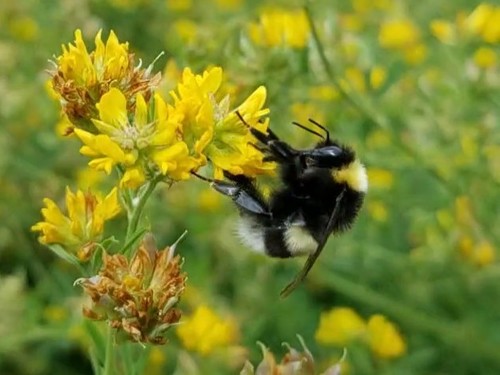
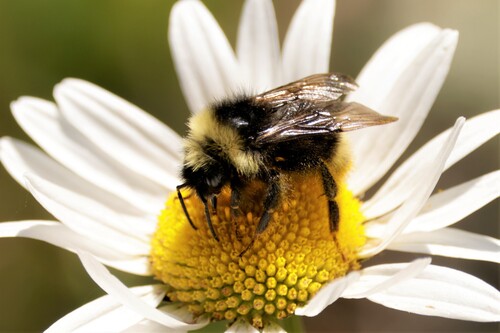
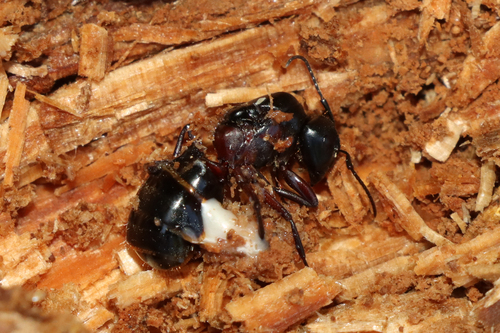
Bombus vancouverensis, the Vancouver bumblebee, is a common species of eusocial bumblebee of the subgenus Pyrobombus. B. vancouverensis inhabits mountainous regions of western North America, where it has long been considered as a synonym of Bombus bifarius, and essentially all of the literature on bifarius refers instead to vancouverensis. B. vancouverensis has been identified as one of the two species of bumblebee observed to use pheromones in kin recognition. The other is the frigid bumblebee, Bombus frigidus.

Bombus vancouverensis was first described by Ezra Townsend Cresson in the 1878 Proceedings of the Academy of Natural Sciences of Philadelphia. It is a member of the order Hymenoptera and the family Apidae, which also includes orchid bees, honey bees, and bumblebees. A subspecies, originally named Bombus nearcticus, was named in 1888. B. vancouverensis expresses varying color forms... Wikipedia →

Global Distribution

Parks Where Found

# Park Country Daily sighting probability
1 Kluane National Park 🇨🇦 Canada
~40%
2 Wrangell-St. Elias National Park 🇺🇸 United States
~30%
3 Glacier National Park 🇺🇸 United States
~20%
4 Jasper National Park 🇨🇦 Canada
~20%
5 Grand Teton National Park 🇺🇸 United States
~20%
6 Great Bear Rainforest 🇨🇦 Canada
~10%
7 Pacific Rim National Park Reserve 🇨🇦 Canada
~10%
8 Banff National Park 🇨🇦 Canada
~10%
9 Yellowstone National Park 🇺🇸 United States
~10%
10 Sequoia and Kings Canyon National Parks 🇺🇸 United States
~10%
11 Yosemite National Park 🇺🇸 United States
~10%
12 Olympic National Park 🇺🇸 United States
~10%

Cities Where Found

# City Country Daily sighting probability
1 Calgary 🇨🇦 Canada
~10%
2 Vancouver 🇨🇦 Canada
<5%

Before you go

What are the chances of seeing a Vancouver Bumble Bee in Kluane National Park?

Likely

About 40% of wildlife watchers report a Vancouver Bumble Bee sighting in Kluane National Park on a given day, based on 27 verified sightings from GBIF citizen-science data from 2019 to 2026. It is the 3rd most-seen of the 39 insects we can rate there. Over three days the chance rises to about 80%, and over a week to over 90%, if each day is a fresh chance.

When is the best time to see a Vancouver Bumble Bee in Kluane National Park?

July

In that month about 50% of wildlife watchers report a Vancouver Bumble Bee in Kluane National Park on a given day, against under 5% in May, the lowest month. That is one of Kluane National Park's driest months, with about 50 mm of rain against 160 mm in October. January–February and November have too few records to rate.

What time of day is best to see a Vancouver Bumble Bee?

Between noon and 3 pm

Across all the parks we cover, that three-hour window holds the most Vancouver Bumble Bee sightings with a recorded time, and about 9 in 10 of them come between 6 am and 6 pm: it is a daytime animal.

Is Kluane National Park the best place to see a Vancouver Bumble Bee?

Yes

Of the 12 parks where we can rate Vancouver Bumble Bee sightings, Kluane National Park has the highest daily chance: about 40%. Next come Wrangell-St. Elias National Park (United States, about 30%) and Glacier National Park (United States, about 20%).

Which relatives of the Vancouver Bumble Bee live in Kluane National Park?

Same genus: Bombus

The closest relatives of the Vancouver Bumble Bee that you can see in Kluane National Park (genus Bombus, Bumble Bees) are Yellow-Fronted Bumble Bee (about 40%), Frigid Bumble Bee (about 30%) and McKay's Western Bumble Bee (about 20%), with each one's daily chance of a sighting.

Where does the Vancouver Bumble Bee sighting chance come from?

GBIF citizen-science records

It is estimated from how often the Vancouver Bumble Bee is recorded against all the insects logged in Kluane National Park (27 verified sightings from 2019 to 2026), calibrated against known sighting rates. Figures are rounded to the nearest 10% because citizen-science data supports honest approximations, not decimals, and months with records from fewer than five people show "—". How it works.

← Back to Kluane National Park