Completed
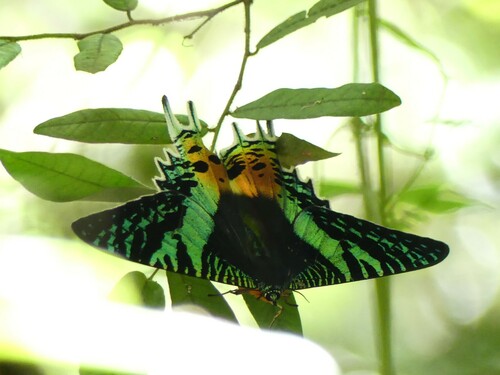


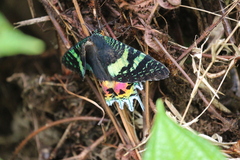
Madagascan Sunset Moth
Chrysiridia rhipheus
- KingdomAnimalia (Animals)
- PhylumArthropoda (Arthropods)
- ClassInsecta (Insects)
- OrderLepidoptera (Butterflies and Moths)
- FamilyUraniidae (Swallowtail Moths)
- GenusChrysiridia (Sunset Moths)
- SpeciesChrysiridia rhipheus (Madagascan Sunset Moth)
In 3 days ~50% in a week ~80%
5 Verified sightings at Mantadia National Park From 2019 to 2026
11 In all 2 parks
December Best month
☀️ Diurnal When it's spotted
About the Madagascan Sunset Moth
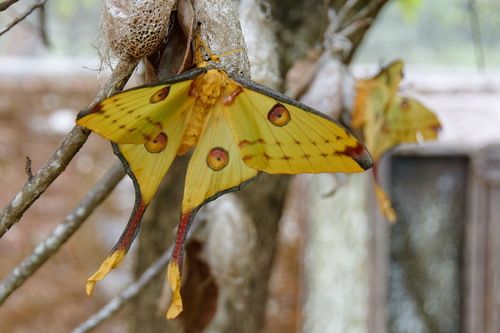
Chrysiridia rhipheus, the Madagascan sunset moth, is a species of day-flying moth of the family Uraniidae. It is considered one of the most impressive and appealing-looking lepidopterans. Famous worldwide, it is featured in most coffee table books on Lepidoptera and is much sought after by collectors, though many older sources misspell the species name as "ripheus". The colours originate from optical interference in the iridescent parts of the wings, while the black parts are pigmented. Adults have a wingspan of 7–9 cm (2.8–3.5 in).
Dru Drury, who described the moth in 1773, placed it in the genus Papilio, considering it a butterfly. Jacob Hübner placed it in the moth genus Chrysiridia in 1823. Later redescriptions led to junior synonyms such as Chrysiridia madagascariensis (Lesson, 1831).
At first the moth was thought to be from China, or Bengal, but was later found to be endemic to Madagascar. It is found throughout the year in most parts of the island, with peak populations between March and August, and smallest numbers between October and December. Females lay about 80 eggs under the leaves of Omphalea spp. The caterpillars are whitish yellow with black spots and red feet and are covered in club-ended black setae. Silk spun from the mouth helps the caterpillars hold on to smooth leaves and climb back to the plant when they fall. After completing four instars, the caterpillars spin an open network cocoon. The pupal stage lasts from 17 to 23 days.
Chrysiridia rhipheus is the sole specialist herbivore of the four species of Omphalea in Madagascar. Omphalea is toxic: the toxins are sequestered by the feeding caterpillar and retained in the pupal and adult stages. Thousands of these moths migrate between the eastern and western ranges of their host plants. Wikipedia →
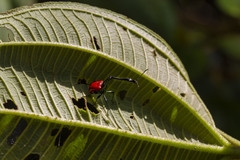
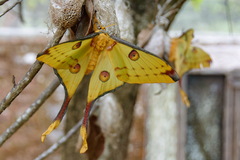
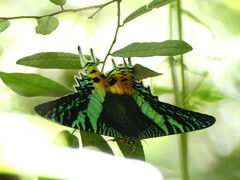
Recent sightings of Madagascan Sunset Moth in Mantadia National Park
LIVEiNaturalistGlobal Distribution
Parks Where Found
| # | Park | Country | Daily sighting probability |
|---|---|---|---|
| 1 | Ranomafana National Park | 🇲🇬 Madagascar | |
| 2 | Mantadia National Park | 🇲🇬 Madagascar |
Closest Relatives at Mantadia National Park

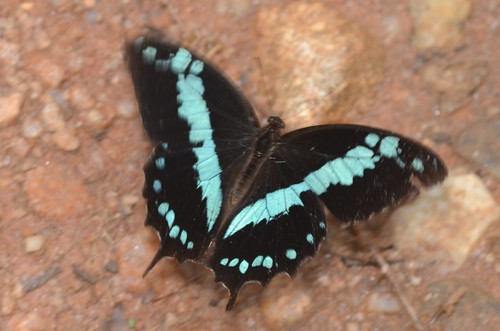
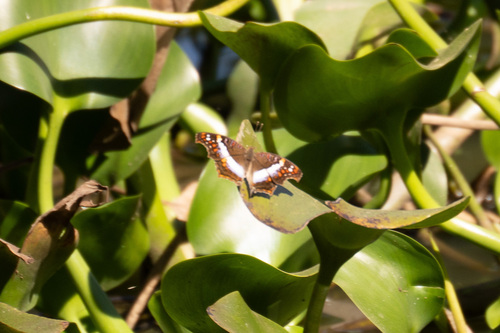
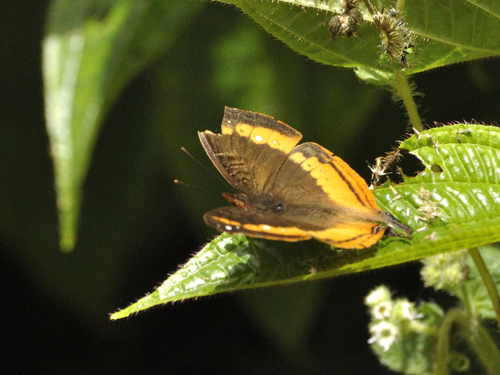
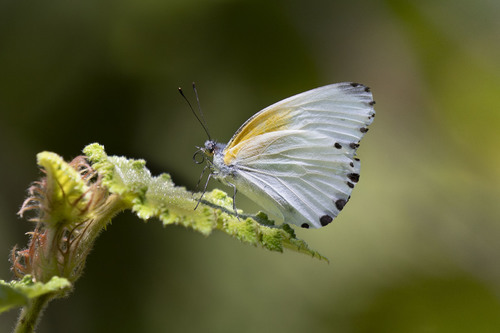
Before you go
What are the chances of seeing a Madagascan Sunset Moth in Mantadia National Park?
Possible
About 20% of wildlife watchers report a Madagascan Sunset Moth sighting in Mantadia National Park on a given day, based on 5 verified sightings from GBIF citizen-science data from 2019 to 2026. It is the 21st most-seen of the 24 insects we can rate there. Over three days the chance rises to about 50%, and over a week to about 80%, if each day is a fresh chance.
When is the best time to see a Madagascan Sunset Moth in Mantadia National Park?
December
In that month about 50% of wildlife watchers report a Madagascan Sunset Moth in Mantadia National Park on a given day, against under 5% in January–April and June–November, the lowest months.
What time of day is best to see a Madagascan Sunset Moth?
Between noon and 3 pm
Across all the parks we cover, that three-hour window holds the most Madagascan Sunset Moth sightings with a recorded time, and about 8 in 10 of them come between 6 am and 6 pm: it is a daytime animal.
Is Mantadia National Park the best place to see a Madagascan Sunset Moth?
Among the best
Of the 2 parks where we can rate Madagascan Sunset Moth sightings, Mantadia National Park ranks 2nd at about 20%, level with the leaders once rounded. The best odds are in Ranomafana National Park (Madagascar, about 20%).
Which relatives of the Madagascan Sunset Moth live in Mantadia National Park?
Same order: Lepidoptera
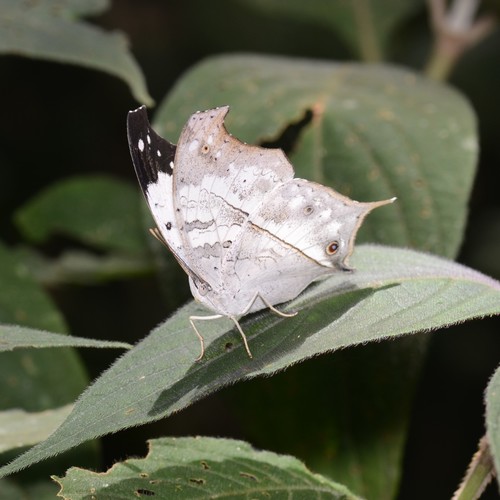
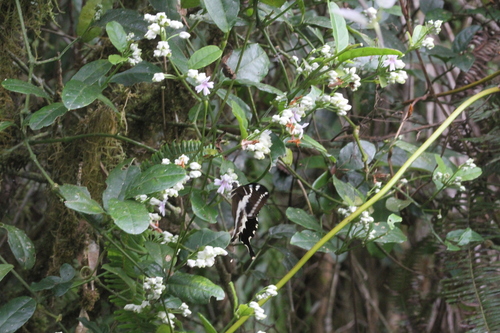
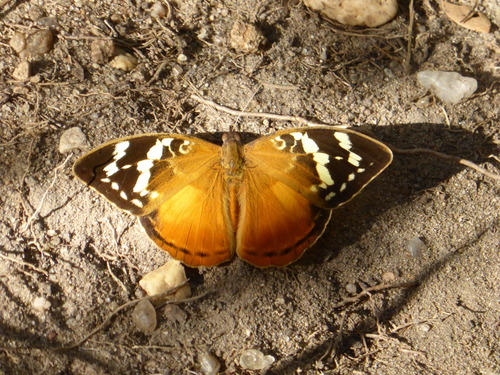
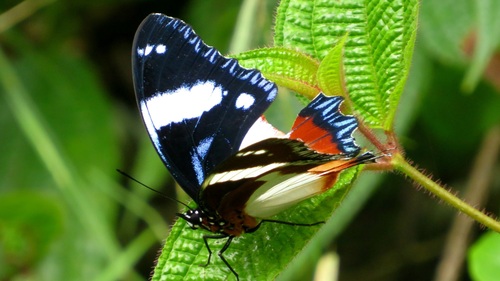
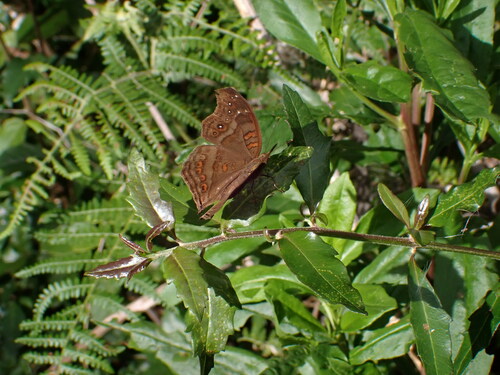
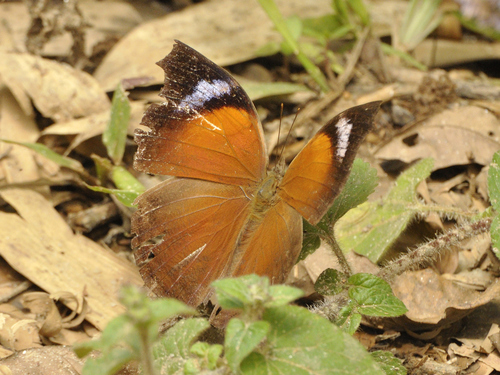
The closest relatives of the Madagascan Sunset Moth that you can see in Mantadia National Park (order Lepidoptera, Butterflies and Moths) are Madagascan Mother-Of-Pearl (about 50%), Cream-Lined Swallowtail (about 40%) and Madagascar Forest Nymph (about 30%), with each one's daily chance of a sighting.
Where does the Madagascan Sunset Moth sighting chance come from?
GBIF citizen-science records
It is estimated from how often the Madagascan Sunset Moth is recorded against all the insects logged in Mantadia National Park (5 verified sightings from 2019 to 2026), calibrated against known sighting rates. Figures are rounded to the nearest 10% because citizen-science data supports honest approximations, not decimals, and months with records from fewer than five people show "—". How it works.
