


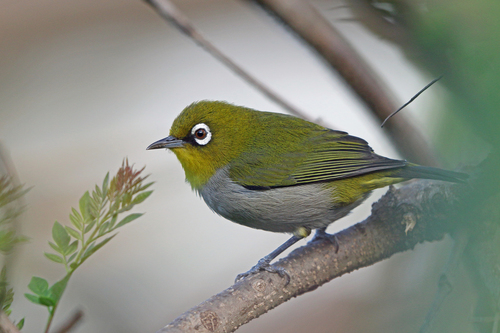


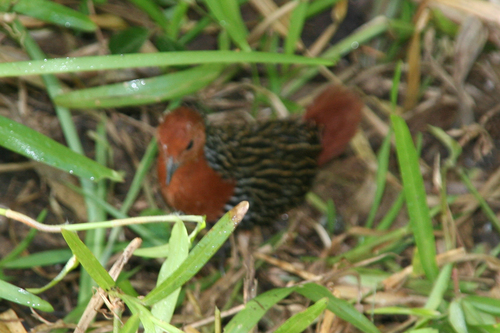


All 3 in 3 days here: >90%
Mantadia National Park
🇲🇬 Madagascar
Africa, Madagascar 520 spp. recorded
Mantadia is a dense tropical rainforest reserve situated in the eastern highlands of Madagascar, featuring towering canopy trees, thick mossy vines, and muddy footpaths winding through steep valleys. This protected jungle stands apart from drier regional reserves through its continuous high-altitude precipitation and lush primary vegetation.
-18.840° S 48.470° E
🦜 Nature

221 Species sighted
16,642 Verified sightings From 2019 to 2026
Nov Best month
⭐ Iconic Species
📊 Most Spotted
⭐ Iconic Species
📊 Most Spotted
⭐ Iconic Species
📊 Most Spotted
⭐ Iconic Species
📊 Most Spotted
📊 Most Spotted
📊 Most Spotted
🌙 Most active after dark
+ 386 more species with insufficient data
Challenges you can complete here
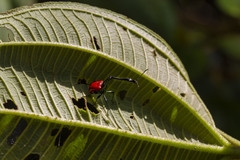
All 3 in 3 days here: ~30%
Recent sightings in Mantadia National Park
LIVEiNaturalistSighting Calendar
How many species you'd see in a day
16Jan
13Feb
16Mar
14Apr
46May
29Jun
32Jul
38Aug
37Sep
47Oct
47Nov
45Dec
Sighting Zones
Warmer areas are where all species together are recorded most often.
-
18.835° S, 48.459° E
Daily sight. prob.vs avg Parson's Chameleon~80%-10%
 Madagascar Paradise-Flycatcher~70%≈
 Madagascar Bulbul~70%-20%
 Mossy Leaf-tailed Gecko~70%+20%
 Diademed Sifaka~70%-20%
 Madagascar White-eye~70%-10%
 Souimanga Sunbird~60%-10%
 Eastern Lesser Bamboo Lemur~60%-10%
 Short-horned Chameleon~60%+20%
 Common Brown Lemur~60%-20%
 Striped Day Gecko~60%+10%
 Madagascar tree boa~60%+10%
-
Circuit Tsakoka
Daily sight. prob.vs avg Madagascar Girdled Lizard~90%+50%
- Striped Day Gecko~80%+30%
 Lowland Streaked Tenrec~70%+40%
 Mascarene Ridged Frog~70%+40%
- Madagascar tree boa~70%+20%
 Madagascar Jumping Frog~70%+40%
 Gravenhorst's Mabuya~60%+30%
 Satanic Leaf-tailed Gecko~60%+30%
- Mossy Leaf-tailed Gecko~60%+10%
 Madagascar Bright-eyed Frog~60%+20%
 Baron's Mantella~60%+10%
- Madagascar Bulbul~50%-40%
-
Circuit Chute Sacrée
Daily sight. prob.vs avg- Parson's Chameleon~80%-10%
 Indri~80%≈
- Eastern Lesser Bamboo Lemur~80%≈
- Diademed Sifaka~80%-10%
 Gmelin's Woolly Lemur~60%≈
- Common Brown Lemur~60%-20%
- Madagascar Bulbul~60%-30%
 Goodman's Mouse Lemur~60%-10%
- Madagascar Paradise-Flycatcher~60%-20%
- Souimanga Sunbird~50%-30%
 Madagascar Cuckoo~50%-10%
- Madagascar tree boa~50%≈
-
Circuit Eulophia
Daily sight. prob.vs avg- Baron's Mantella~80%+30%
- Indri~70%-10%
- Madagascar Girdled Lizard~70%+30%
- Diademed Sifaka~70%-20%
- Eastern Lesser Bamboo Lemur~60%-20%
- Striped Day Gecko~60%+10%
- Goodman's Mouse Lemur~60%-10%
- Madagascar Bulbul~60%-30%
- Madagascar Cuckoo~60%-10%
- Souimanga Sunbird~50%-20%
- Parson's Chameleon~50%-30%
- Madagascar tree boa~50%≈
-
Lemur Island
Daily sight. prob.vs avg
🏕️ Experience
Essentials
Entrance
—
Tourism
Low
Typical stay
2–3
daysTrails
Moderate
World Heritage
No
Climate
Temp °C Rain mm
JanFebMarAprMayJunJulAugSepOctNovDec
0.0 Excellent
Wallace's Line Score
How good is this park for seeing wildlife? 🦜
Biodiversity
GoodHow rich is the wildlife?
4.0
Species by taxon
🦅 Birds 211
🐒 Mammals 90
🦎 Reptiles 106
🐸 Amphibians 113
520 Total Species
828 Global average across 316 parks
83 Threatened 242 Endemic
🔭
Sighting
Very goodHow likely to see animals?
3.9
🎯
Top-12 Avg Probability
77% 📊
Coverage (175 species at ≥5% of 520 in the inventory)
34% 🔀
Taxon variety in top 12 (6 bird, 5 mammal, 1 reptile)
76% 🔭
Species per 10 outings (distinct species a visitor would meet over 10 outings — effort held equal across parks)
80 🌟
Iconic-group species (≥15%) (every species from the 19 iconic groups — monkeys, cats, toucans, macaws, sloths, crocodilians… — not just the 4 highlighted above)
18 ⭐
High-prob species (>40%)
38 🏕️
Experience
Very goodHow easy and pleasant is the visit?
3.6
Climate Mixed Medium
Entrance Not verified Low
Tourism Medium Medium
Trails Moderate Medium
World Heritage No —
What visitors say
We also saw the Diademed Sifaka lemurs who share the forest with the Indri Indri but eat different foods, so they don’t compete.
If we are lucky, we are greeted by the Indri’s calls long before we see them — they can be heard from up to a mile away!
While exploring Mantadia National Park, we encountered the stunning Black and white ruffed lemur and the delicate Brown lemur.
All of our tours to Madagascar include a visit to Andasibe-Mantadia National Park, allowing you to experience the best of the island’s wild nature and exceptional wildlife.
Before you go
What animals can you see in Mantadia National Park?
520 species
Mantadia National Park has 520 recorded vertebrate species. The ones wildlife watchers report most often on a given day are Madagascar Bulbul (about 90%), Parson's Chameleon (about 90%), Indri (about 90%), Diademed Sifaka (about 80%) and Common Brown Lemur (about 80%). Among amphibians, the most-seen is Baron's Mantella (about 50%).
When is the best time to visit Mantadia National Park for wildlife?
January–February, April–May and October–November
In those months the park's 12 most-seen species average about 80% on a given day, against about 60% in March.
Can you see an Indri in Mantadia National Park?
Yes
About 90% of wildlife watchers report an Indri sighting in Mantadia National Park on a given day, based on 398 verified sightings from GBIF citizen-science data from 2019 to 2026. The best time is January, March–May, August and October (about 90%).
Can you see a Diademed Sifaka in Mantadia National Park?
Yes
About 80% of wildlife watchers report a Diademed Sifaka sighting in Mantadia National Park on a given day, based on 333 verified sightings from GBIF citizen-science data from 2019 to 2026. The best time is January–February, April–May and August (about 90%).
Can you see a Parson's Chameleon in Mantadia National Park?
Yes
About 90% of wildlife watchers report a Parson's Chameleon sighting in Mantadia National Park on a given day, based on 385 verified sightings from GBIF citizen-science data from 2019 to 2026. The best time is April, July–September and December–January (about 90%).
Can you see a Short-legged Ground Roller in Mantadia National Park?
Yes
About 40% of wildlife watchers report a Short-legged Ground Roller sighting in Mantadia National Park on a given day, based on 223 verified sightings from GBIF citizen-science data from 2019 to 2026. The best time is November (about 50%).
Is Mantadia National Park good for wildlife watching?
4.0 out of 5
On the Wallace's Line Score, Mantadia National Park rates 4.0/5: 120th of 316 parks worldwide and 50th in Africa. 53 of its species are reported by about 40% or more of wildlife watchers on a given day.


