Mexican Brown Snake

Mexican Brown Snake

Storeria storerioides

Silhouette: Alex Slavenko · PhyloPic

LCLeast ConcernNTVUENCR Endemic
Daily sighting probability ~40% · Likely
at Reserva de la Biosfera Mariposa Monarca

In 3 days ~70% in a week >90%

9 Verified sightings at Reserva de la Biosfera Mariposa Monarca From 2019 to 2026
9 In 1 park
July Best month
🌙 Nocturnal When it's spotted

About the Mexican Brown Snake

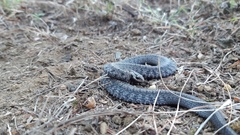
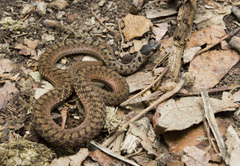
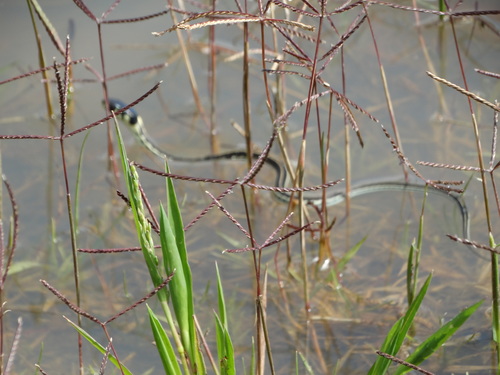
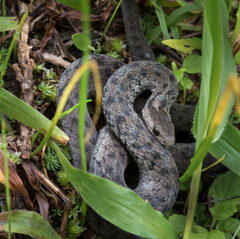
Storeria storerioides, the Mexican brown snake, is a species of nonvenomous snake in the family Colubridae. It is endemic to Mexico, and is mainly found in the western part of the Trans-Mexican Volcanic Belt. Oak and pine forests make up the snake's habitat.

The snake was first described under the in 1866 by Edward Drinker Cope, who placed it in the genus Tropidoclonium, known today as Tropidoclonion. Samuel Garman moved the snake to its own genus, Storeria, in 1883. The name storerioides, meaning "similar" or "like", refers to the species similarity to other species in its genus.

The snake is endemic to Mexico. It's mostly found in the western part of Trans-Mexican Volcanic Belt, and from there its range stretches northwards along the Sierra Madre Occidental, The snake inhabits pine and oak forests, and is usually found underneath logs or plant litter. having been found as far north as Madera, Chihuahua. The snake is also known to be found in Coahuila, near the border with Zacatecas.

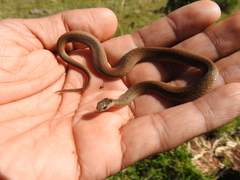
Storeria storerioides have somewhat slender bodies. Most 'individuals are 26–30 centimetres (10–12 in) long, with the maximum recorded length... Wikipedia →

Global Distribution

Parks Where Found

# Park Country Daily sighting probability
1 Reserva de la Biosfera Mariposa Monarca 🇲🇽 Mexico
~40%

More parks will be added in future updates.

Cities Where Found

# City Country Daily sighting probability
1 Mexico City 🇲🇽 México
~10%

Before you go

What are the chances of seeing a Mexican Brown Snake in Reserva de la Biosfera Mariposa Monarca?

Likely

About 40% of wildlife watchers report a Mexican Brown Snake sighting in Reserva de la Biosfera Mariposa Monarca on a given day, based on 9 verified sightings from GBIF citizen-science data from 2019 to 2026. It is the 2nd most-seen of the 6 reptiles we can rate there. Over three days the chance rises to about 70%, and over a week to over 90%, if each day is a fresh chance.

When is the best time to see a Mexican Brown Snake in Reserva de la Biosfera Mariposa Monarca?

April, July and September

In those months about 60% of wildlife watchers report a Mexican Brown Snake in Reserva de la Biosfera Mariposa Monarca on a given day, against about 10% in March, August and October–December, the lowest months. Those are among Reserva de la Biosfera Mariposa Monarca's wettest months, with about 180 mm of rain a month against 20 mm in January.

What time of day is best to see a Mexican Brown Snake?

Between 8 and 11 pm

Across all the parks we cover, that three-hour window holds the most Mexican Brown Snake sightings with a recorded time, and about 9 in 10 of them come between 6 pm and 6 am: it is mostly seen at night.

Where else can you see a Mexican Brown Snake?

Only Reserva de la Biosfera Mariposa Monarca, in our data

Reserva de la Biosfera Mariposa Monarca is the only park on Wallace's Line with enough records to rate Mexican Brown Snake sightings: about 40% of wildlife watchers there report one on a given day.

Which relatives of the Mexican Brown Snake live in Reserva de la Biosfera Mariposa Monarca?

Same family: Colubridae

The closest relatives of the Mexican Brown Snake that you can see in Reserva de la Biosfera Mariposa Monarca (family Colubridae, Colubrid Snakes) are Mexican Highlands Gartersnake (about 30%) and Middle American Gopher Snake (about 30%), with each one's daily chance of a sighting.

Where does the Mexican Brown Snake sighting chance come from?

GBIF citizen-science records

It is estimated from how often the Mexican Brown Snake is recorded against all the reptiles logged in Reserva de la Biosfera Mariposa Monarca (9 verified sightings from 2019 to 2026), calibrated against known sighting rates. Figures are rounded to the nearest 10% because citizen-science data supports honest approximations, not decimals, and months with records from fewer than five people show "—". How it works.

← Back to Reserva de la Biosfera Mariposa Monarca