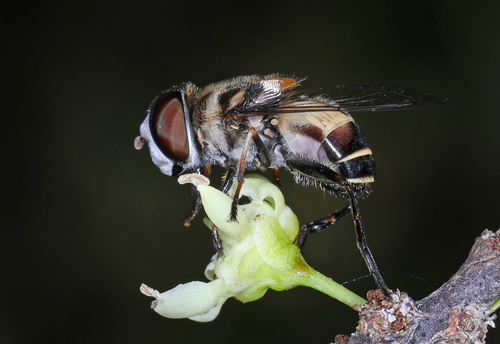
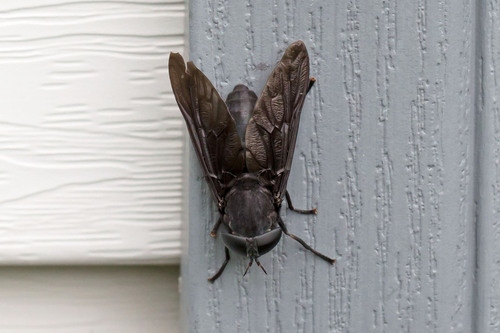
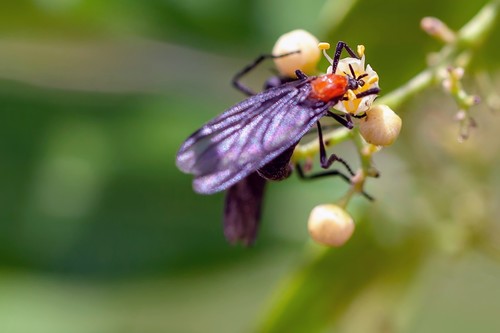
Black Saltmarsh Mosquito

Black Saltmarsh Mosquito

Aedes taeniorhynchus

Daily sighting probability <5% · Rare
at Merritt Island National Wildlife Refuge

In 3 days ~10% in a week ~30%

5 Verified sightings at Merritt Island National Wildlife Refuge From 2019 to 2026
28 In all 2 parks
October Best month
☀️🌙 Day & Night When it's spotted

About the Black Saltmarsh Mosquito

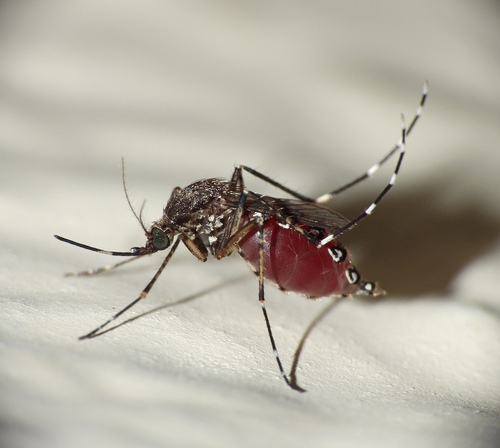
Aedes taeniorhynchus, or the black salt marsh mosquito, is a mosquito in the family Culicidae. It is a carrier for encephalitic viruses including Venezuelan equine encephalitis and can transmit Dirofilaria immitis. It resides in the Americas and is known to bite mammals, reptiles, and birds. Like other mosquitoes, Ae. taeniorhynchus adults survive on a combination diet of blood and sugar, with females generally requiring a blood meal before laying eggs.

This mosquito has been studied to investigate its development, physiological markers, and behavioral patterns, including periodic cycles for biting, flight, and swarming. This species is noted for developing in periodic cycles, with high sensitivity to light and flight patterns that result in specific wingbeat frequencies that allow for both species detection and sex distinction.

Ae. taeniorhynchus is known to be a pest to humans and mechanisms for controlling Ae. taeniorhynchus populations have been developed. The United States has spent millions of dollars to control and contain Ae. taeniorhynchus.

German entomologist Christian Rudolph Wilhelm Wiedemann described Ae. (Ochlerotatus) taeniorhynchus in 1821. Alternate namings... Wikipedia →
Global Distribution

Parks Where Found

# Park Country Daily sighting probability
1 Everglades National Park 🇺🇸 United States
~10%
2 Merritt Island National Wildlife Refuge 🇺🇸 United States
<5%

Cities Where Found

# City Country Daily sighting probability
1 Miami 🇺🇸 United States
<5%
2 New York City 🇺🇸 United States
<5%

Before you go

What are the chances of seeing a Black Saltmarsh Mosquito in Merritt Island National Wildlife Refuge?

Rare

Under 5% of wildlife watchers report a Black Saltmarsh Mosquito sighting in Merritt Island National Wildlife Refuge on a given day, based on 5 verified sightings from GBIF citizen-science data from 2019 to 2026. It is the 165th most-seen of the 189 insects we can rate there. Over three days the chance rises to about 10%, and over a week to about 30%, if each day is a fresh chance.

When is the best time to see a Black Saltmarsh Mosquito in Merritt Island National Wildlife Refuge?

April–June and October

In those months about 10% of wildlife watchers report a Black Saltmarsh Mosquito in Merritt Island National Wildlife Refuge on a given day, against under 5% in July–September and November–March, the lowest months.

What time of day is best to see a Black Saltmarsh Mosquito?

Between 6 and 9 pm

Across all the parks we cover, that three-hour window holds the most Black Saltmarsh Mosquito sightings with a recorded time, and about half of them come between 6 am and 6 pm: it is seen both by day and at night.

Is Merritt Island National Wildlife Refuge the best place to see a Black Saltmarsh Mosquito?

2nd of 2

Of the 2 parks where we can rate Black Saltmarsh Mosquito sightings, Merritt Island National Wildlife Refuge ranks 2nd at under 5%. The best odds are in Everglades National Park (United States, about 10%).

Where does the Black Saltmarsh Mosquito sighting chance come from?

GBIF citizen-science records

It is estimated from how often the Black Saltmarsh Mosquito is recorded against all the insects logged in Merritt Island National Wildlife Refuge (5 verified sightings from 2019 to 2026), calibrated against known sighting rates. Figures are rounded to the nearest 10% because citizen-science data supports honest approximations, not decimals, and months with records from fewer than five people show "—". How it works.

← Back to Merritt Island National Wildlife Refuge