Diaprepes Root Weevil

Diaprepes Root Weevil

Diaprepes abbreviatus

Daily sighting probability ~10% · With luck
at Merritt Island National Wildlife Refuge

In 3 days ~20% in a week ~40%

11 Verified sightings at Merritt Island National Wildlife Refuge From 2019 to 2026
16 In all 2 parks
July Best month
☀️ Diurnal When it's spotted

About the Diaprepes Root Weevil

Diaprepes abbreviatus, also known as the diaprepes root weevil, citrus root weevil and sugarcane rootstock borer weevil, is a species of weevil that is native to the Caribbean, where in Spanish it is colloquially called chichí. It has become an invasive pest in several locations in the United States.

It is an agricultural pest in several Caribbean countries. In 1964 this weevil was accidentally introduced in the US, state of Florida, where it is presently a major pest of citrus. It was first discovered in southern California in 2005, where it is a pest of citrus, avocado, and nursery stock. In Texas it was found in the Rio Grande Valley in 2000, resulting in a 2001 quarantine, and then in 2009 around Houston. Another sighting in 2019 confirms that it is still in the area. In June of 2022, a new sighting also occurred in Pearland.

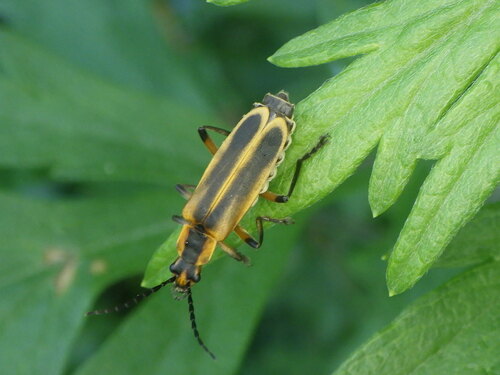
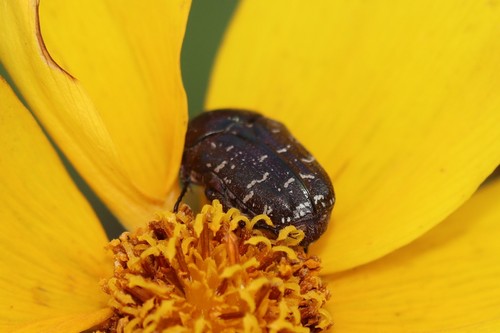
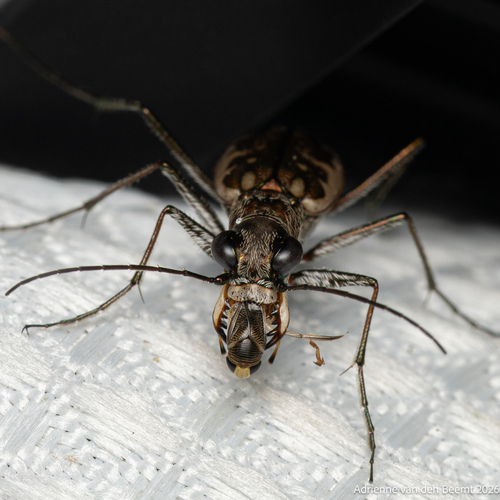
Citrus, avocado, and nursery stock. It is also known to infest sugarcane, tuber-bearing crops such as potatoes, and ornamental plants. The adult citrus root weevil is somewhat variable in size but just over 1 cm (3⁄8 in) in length on average. Its elytra are glossy black with... Wikipedia →

Global Distribution

Parks Where Found

# Park Country Daily sighting probability
1 Merritt Island National Wildlife Refuge 🇺🇸 United States
~10%
2 Everglades National Park 🇺🇸 United States
<5%

Cities Where Found

# City Country Daily sighting probability
1 Orlando 🇺🇸 United States
~10%
2 Miami 🇺🇸 United States
~10%
3 Houston 🇺🇸 United States
~10%
4 San Diego 🇺🇸 United States
<5%
5 Los Angeles 🇺🇸 United States
<5%

Before you go

What are the chances of seeing a Diaprepes Root Weevil in Merritt Island National Wildlife Refuge?

With luck

About 10% of wildlife watchers report a Diaprepes Root Weevil sighting in Merritt Island National Wildlife Refuge on a given day, based on 11 verified sightings from GBIF citizen-science data from 2019 to 2026. It is the 97th most-seen of the 189 insects we can rate there. Over three days the chance rises to about 20%, and over a week to about 40%, if each day is a fresh chance.

When is the best time to see a Diaprepes Root Weevil in Merritt Island National Wildlife Refuge?

July

In that month about 20% of wildlife watchers report a Diaprepes Root Weevil in Merritt Island National Wildlife Refuge on a given day, against under 5% in August to February, the lowest months. That is one of Merritt Island National Wildlife Refuge's wettest months, with about 160 mm of rain against 50 mm in March.

What time of day is best to see a Diaprepes Root Weevil?

Between 10 am and 1 pm

Across all the parks we cover, that three-hour window holds the most Diaprepes Root Weevil sightings with a recorded time, and about 7 in 10 of them come between 6 am and 6 pm: it is a daytime animal.

Is Merritt Island National Wildlife Refuge the best place to see a Diaprepes Root Weevil?

Yes

Of the 2 parks where we can rate Diaprepes Root Weevil sightings, Merritt Island National Wildlife Refuge has the highest daily chance: about 10%. Next come Everglades National Park (United States, under 5%).

Where does the Diaprepes Root Weevil sighting chance come from?

GBIF citizen-science records

It is estimated from how often the Diaprepes Root Weevil is recorded against all the insects logged in Merritt Island National Wildlife Refuge (11 verified sightings from 2019 to 2026), calibrated against known sighting rates. Figures are rounded to the nearest 10% because citizen-science data supports honest approximations, not decimals, and months with records from fewer than five people show "—". How it works.

← Back to Merritt Island National Wildlife Refuge