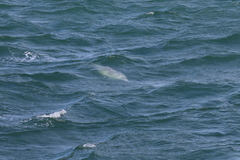
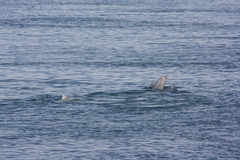
Australian Humpback Dolphin

Australian Humpback Dolphin

Sousa sahulensis

Silhouette: Chris huh · PhyloPic

LCNTVUVulnerableENCR
Daily sighting probability ~10% · With luck
at Ningaloo Marine Park

In 3 days ~30% in a week ~60%

8 Verified sightings at Ningaloo Marine Park From 2019 to 2026
8 In 1 park
December Best month
☀️ Diurnal When it's spotted

About the Australian Humpback Dolphin

The Australian humpback dolphin (Sousa sahulensis) is a species of humpback dolphin and the fourth recognized humpback dolphin species chronologically. The specific name sahulensis is derived from the Sahul Shelf, located between northern Australia and southern New Guinea, where the Australian humpback dolphins occur.

The species was scientifically described on 31 July 2014 in the journal Marine Mammal Science. This vulnerable species' population was estimated to be fewer than 10,000 mature individuals in 2015, with numbers declining because of habitat destruction.

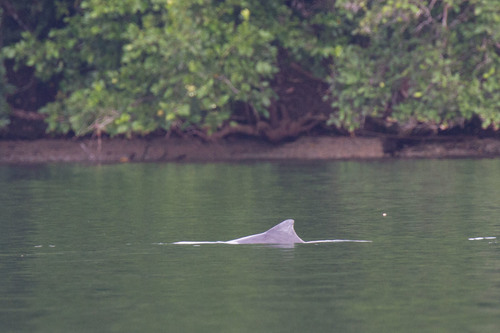
Australian humpback dolphins are slightly different from the other three humpback dolphin species in overall length, number of teeth, vertebrae and geographic distribution. The dorsal fin of the Australian humpback dolphin is lower and more wide-based than those of the Atlantic humpback dolphin and the Indian Ocean humpback dolphin, and its coloration is dark gray, while its closest humpback relative, the Chinese white dolphin, has distinctly white (often with a pink tinge) coloration. The Australian humpback dolphin also has a distinctive dark dorsal feature, resembling a cape.

Known size for Australian... Wikipedia →
Global Distribution

Parks Where Found

# Park Country Daily sighting probability
1 Ningaloo Marine Park 🇦🇺 Australia
~10%

More parks will be added in future updates.

Zoos & Centres Where Found

# Zoo / Centre Country
1 Sea World 🇦🇺 Australia In captivity

Before you go

What are the chances of seeing an Australian Humpback Dolphin in Ningaloo Marine Park?

With luck

About 10% of wildlife watchers report an Australian Humpback Dolphin sighting in Ningaloo Marine Park on a given day, based on 8 verified sightings from GBIF citizen-science data from 2019 to 2026. It is the 8th most-seen of the 8 mammals we can rate there. Over three days the chance rises to about 30%, and over a week to about 60%, if each day is a fresh chance.

When is the best time to see an Australian Humpback Dolphin in Ningaloo Marine Park?

September and December

In those months about 30% of wildlife watchers report an Australian Humpback Dolphin in Ningaloo Marine Park on a given day, against under 5% in January–March, May, July and October–November, the lowest months. Those are among Ningaloo Marine Park's driest months, with almost no rain against 50 mm in June.

What time of day is best to see an Australian Humpback Dolphin?

Between 7 and 10 am

Across all the parks we cover, that three-hour window holds the most Australian Humpback Dolphin sightings with a recorded time, and about 8 in 10 of them come between 6 am and 6 pm: it is a daytime animal.

Where else can you see an Australian Humpback Dolphin?

Only Ningaloo Marine Park, in our data

Ningaloo Marine Park is the only park on Wallace's Line with enough records to rate Australian Humpback Dolphin sightings: about 10% of wildlife watchers there report one on a given day.

Where does the Australian Humpback Dolphin sighting chance come from?

GBIF citizen-science records

It is estimated from how often the Australian Humpback Dolphin is recorded against all the mammals logged in Ningaloo Marine Park (8 verified sightings from 2019 to 2026), calibrated against known sighting rates. Figures are rounded to the nearest 10% because citizen-science data supports honest approximations, not decimals, and months with records from fewer than five people show "—". How it works.

← Back to Ningaloo Marine Park