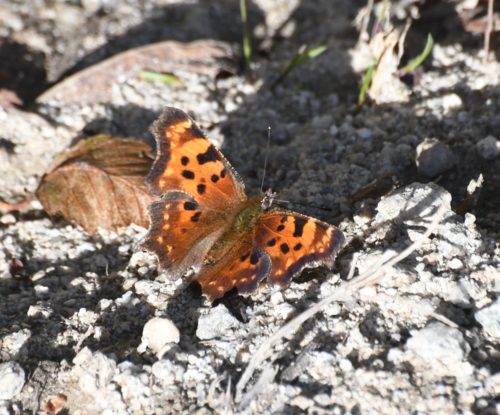
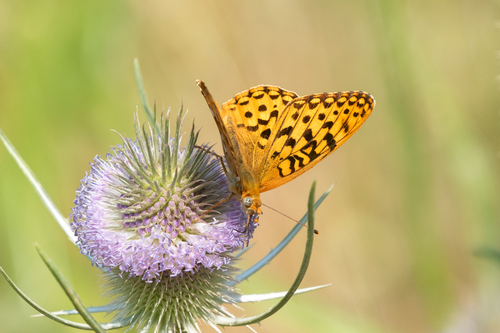
Zerene Fritillary

Zerene Fritillary

Speyeria zerene

Daily sighting probability ~10% · With luck
at Olympic National Park

In 3 days ~20% in a week ~40%

24 Verified sightings at Olympic National Park From 2019 to 2026
56 In all 5 parks
August Best month
☀️ Diurnal When it's spotted

About the Zerene Fritillary

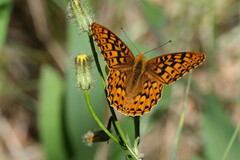
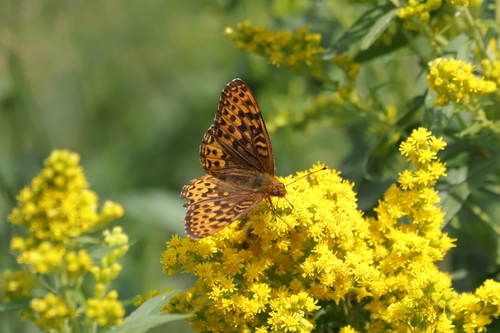
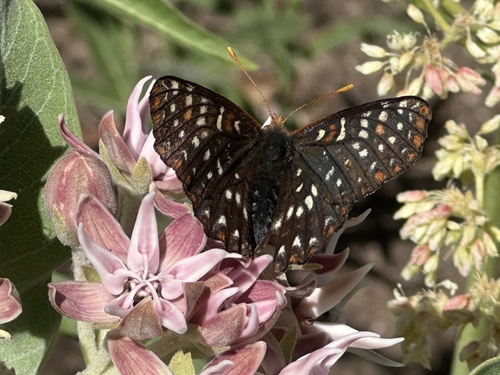
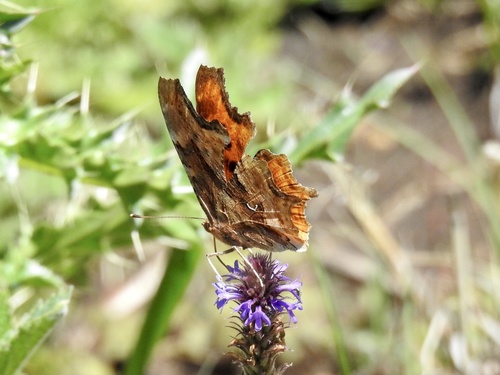
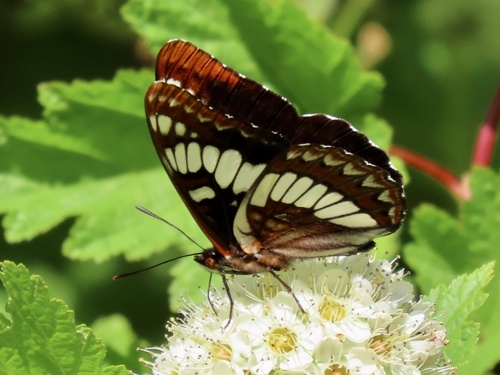
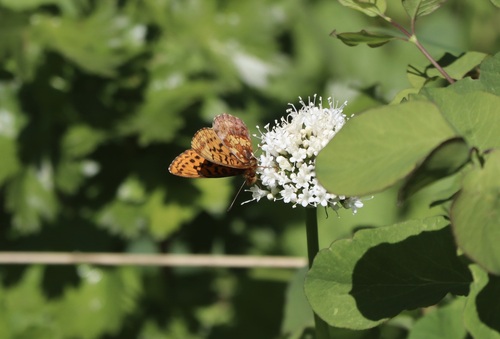
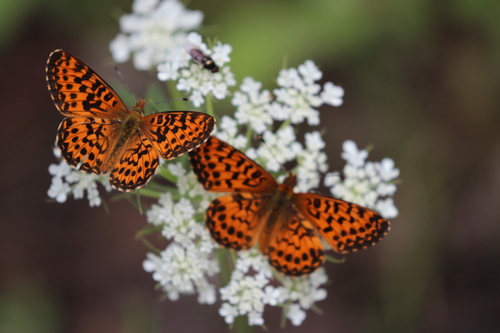
Speyeria zerene, the zerene fritillary, is a butterfly found in the western portions of the United States and Canada. The species was first described by William Swainson in 1827. Speyeria zerene is a medium-sized butterfly whose length ranges from 25 to 28 mm, and the wingspan is about 55 mm. The body of the butterfly is black with orange brown on the upperside of the wings. Also on the underside are black veins with black spots. The undersides of the wings have silver metallic spots. The wings and the body are both covered in fine hairs.

The native range spread from Washington state to California. They are now found in Oregon and California. As of 2013, they were found in numbers in Alpine County, California, at the 9,000 foot (2,700 m) level in the Sierra Nevada range. The best habitats for the butterflies are coastal salt spray meadows, montane meadows, and stabilized dunes. The grasslands provide larval host plants which are a very important component of their habitat. Wikipedia →
Global Distribution

Parks Where Found

# Park Country Daily sighting probability
1 Glacier National Park 🇺🇸 United States
~10%
2 Olympic National Park 🇺🇸 United States
~10%
3 Yosemite National Park 🇺🇸 United States
~10%
4 Yellowstone National Park 🇺🇸 United States
<5%
5 Rocky Mountain National Park 🇺🇸 United States
<5%

Before you go

What are the chances of seeing a Zerene Fritillary in Olympic National Park?

With luck

About 10% of wildlife watchers report a Zerene Fritillary sighting in Olympic National Park on a given day, based on 24 verified sightings from GBIF citizen-science data from 2019 to 2026. It is the 84th most-seen of the 207 insects we can rate there. Over three days the chance rises to about 20%, and over a week to about 40%, if each day is a fresh chance.

When is the best time to see a Zerene Fritillary in Olympic National Park?

July to September

In those months about 10% of wildlife watchers report a Zerene Fritillary in Olympic National Park on a given day, against under 5% in October to June, the lowest months. Those are among Olympic National Park's driest months, with about 70 mm of rain a month against 370 mm in November.

What time of day is best to see a Zerene Fritillary?

Between 10 am and 1 pm

Across all the parks we cover, that three-hour window holds the most Zerene Fritillary sightings with a recorded time, and about 9 in 10 of them come between 6 am and 6 pm: it is a daytime animal.

Is Olympic National Park the best place to see a Zerene Fritillary?

Among the best

Of the 5 parks where we can rate Zerene Fritillary sightings, Olympic National Park ranks 2nd at about 10%, level with the leaders once rounded. The best odds are in Glacier National Park (United States, about 10%).

Where does the Zerene Fritillary sighting chance come from?

GBIF citizen-science records

It is estimated from how often the Zerene Fritillary is recorded against all the insects logged in Olympic National Park (24 verified sightings from 2019 to 2026), calibrated against known sighting rates. Figures are rounded to the nearest 10% because citizen-science data supports honest approximations, not decimals, and months with records from fewer than five people show "—". How it works.

← Back to Olympic National Park