


All 4 in 3 days here: ~70%
Pilanesberg National Park
🇿🇦 South Africa
Southern Africa, South Africa 795 spp. recorded
Pilanesberg National Park is a protected tropical savanna reserve in South Africa, set within a series of ancient ring-shaped volcanic ridges. Open grassland plains and scattered acacia thickets dominate this terrain, crossed by dusty vehicle tracks rather than walking paths.
-25.240° S 27.057° E
🦜 Nature

425 Species sighted
23,533 Verified sightings From 2019 to 2026
Nov Best month
⭐ Iconic Species
📊 Most Spotted
⭐ Iconic Species
📊 Most Spotted
📊 Most Spotted
📊 Most Spotted
📊 Most Spotted
📊 Most Spotted
🌙 Most active after dark
+ 516 more species with insufficient data
Challenges you can complete here


All 4 in 3 days here: ~50%


All 4 in 3 days here: ~50%


All 3 in 3 days here: ~30%
Recent sightings in Pilanesberg National Park
LIVEiNaturalistSighting Calendar
How many species you'd see in a day
51Jan
52Feb
50Mar
62Apr
55May
52Jun
53Jul
54Aug
52Sep
56Oct
64Nov
57Dec
Sighting Zones
Warmer areas are where all species together are recorded most often.
-
Bakabung
Daily sight. prob.vs avg -
Rathlogo Hide





🏕️ Experience
Essentials
Entrance
Paid
Tourism
Low
Typical stay
1–2
daysTrails
Moderate
World Heritage
No
Climate
Temp °C Rain mm
JanFebMarAprMayJunJulAugSepOctNovDec
0.0 Excellent
Wallace's Line Score
How good is this park for seeing wildlife? 🦜
Biodiversity
GoodHow rich is the wildlife?
3.6
Species by taxon
🦅 Birds 534
🐒 Mammals 139
🦎 Reptiles 93
🐸 Amphibians 29
795 Total Species
828 Global average across 316 parks
31 Threatened 12 Endemic
🔭
Sighting
ExcellentHow likely to see animals?
4.8
🎯
Top-12 Avg Probability
64% 📊
Coverage (236 species at ≥5% of 795 in the inventory)
30% 🔀
Taxon variety in top 12 (8 bird, 4 mammal)
59% 🔭
Species per 10 outings (distinct species a visitor would meet over 10 outings — effort held equal across parks)
164 🌟
Iconic-group species (≥15%) (every species from the 19 iconic groups — monkeys, cats, toucans, macaws, sloths, crocodilians… — not just the 4 highlighted above)
35 ⭐
High-prob species (>40%)
39 🏕️
Experience
ExcellentHow easy and pleasant is the visit?
4.4
Climate Pleasant High
Entrance Paid Low
Tourism Low High
Trails Moderate Medium
World Heritage No —
What visitors say
Pilanesberg Safari Another white rhinoceros… Pilanesberg Safari And 2 hours into the safari we finally see a giraffe closer to us.
After a short 15-minute drive from the lodge, we entered the park through a nearby gate—and even before we got there, we spotted a herd of impala grazing just off the road.
Our first day was quiet, with only four zebras spotted far off in the long grass.
The next day began in the cold and the dark, but quickly picked up when we spotted a cheetah.
Before you go
What animals can you see in Pilanesberg National Park?
795 species
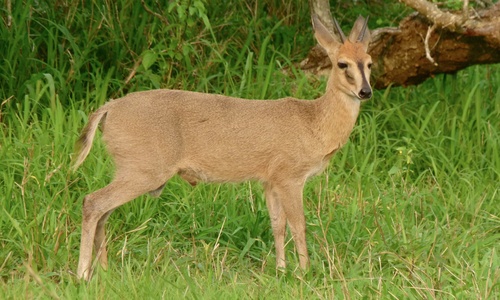
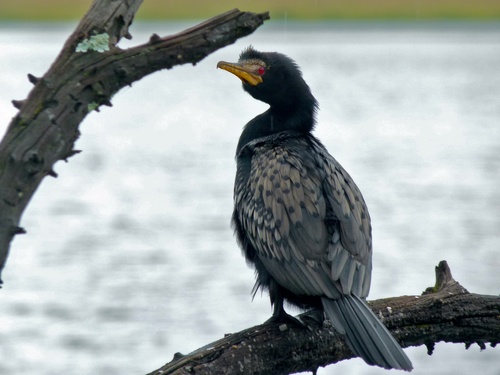
Pilanesberg National Park has 795 recorded vertebrate species. The ones wildlife watchers report most often on a given day are Grey Go-Away-Bird (about 80%), Common Bulbul (about 70%), African Bush Elephant (about 70%), Natal Francolin (about 60%) and Helmeted Guineafowl (about 60%). Among reptiles, the most-seen is Nile Crocodile (about 40%); among amphibians, African Split-skin Toad (about 20%).
When is the best time to visit Pilanesberg National Park for wildlife?
April–June, August and October–November
In those months the park's 12 most-seen species average about 70% on a given day, against about 60% in July, September and December–March.
Can you see an African Bush Elephant in Pilanesberg National Park?
Yes
About 70% of wildlife watchers report an African Bush Elephant sighting in Pilanesberg National Park on a given day, based on 363 verified sightings from GBIF citizen-science data from 2019 to 2026. The best time is October (about 80%).
Can you see a White Rhinoceros in Pilanesberg National Park?
Yes
About 60% of wildlife watchers report a White Rhinoceros sighting in Pilanesberg National Park on a given day, based on 236 verified sightings from GBIF citizen-science data from 2019 to 2026. The best time is November (about 70%).
Can you see a Lion in Pilanesberg National Park?
Yes
About 40% of wildlife watchers report a Lion sighting in Pilanesberg National Park on a given day, based on 122 verified sightings from GBIF citizen-science data from 2019 to 2026. The best time is April and October (about 50%).
Where in Pilanesberg National Park is wildlife easiest to see?
Around Makorwane Dam
The richest sighting zone is around Makorwane Dam, followed by Bakabung and Rathlogo Hide, ranked by how many of the park's headline animals visitors can expect to see in each. See the zones on the map.
Is Pilanesberg National Park good for wildlife watching?
4.4 out of 5
On the Wallace's Line Score, Pilanesberg National Park rates 4.4/5: 63rd of 316 parks worldwide and 37th in Africa. 49 of its species are reported by about 40% or more of wildlife watchers on a given day.