Bow-Winged Grasshopper

Bow-Winged Grasshopper

Chorthippus biguttulus

Daily sighting probability ~10% · With luck
at Pyrénées National Park

In 3 days ~10% in a week ~30%

16 Verified sightings at Pyrénées National Park From 2019 to 2026
29 In all 3 parks
December Best month
☀️ Diurnal When it's spotted

About the Bow-Winged Grasshopper

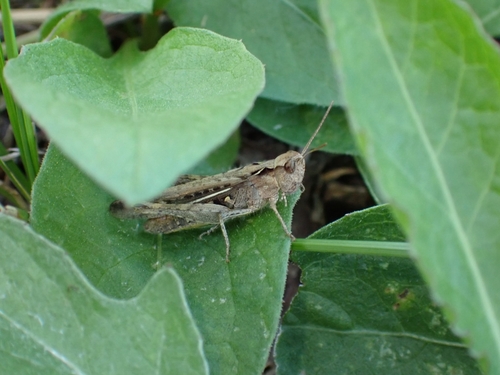
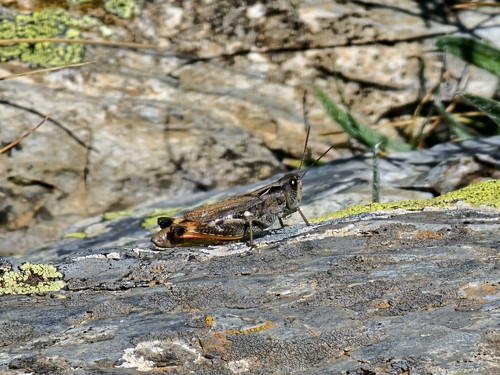
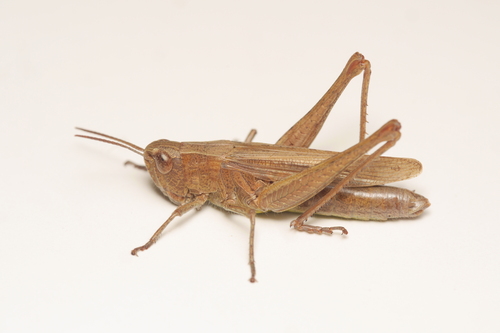
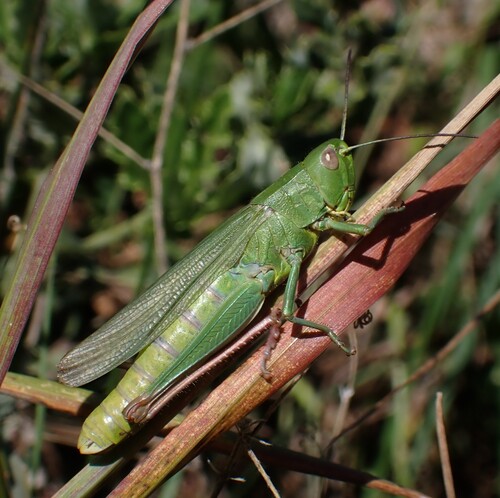
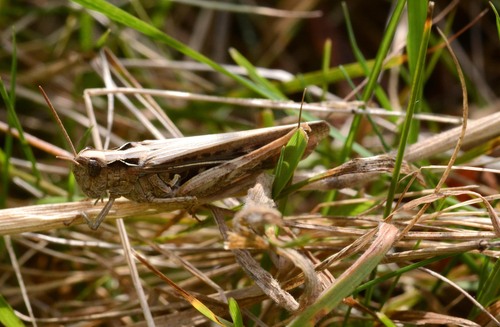
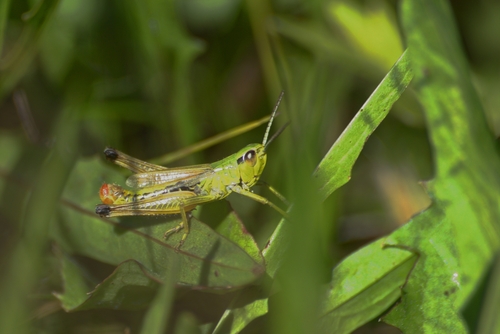
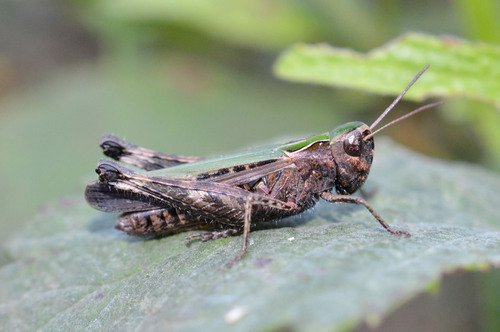
Chorthippus biguttulus, the bow-winged grasshopper, is one of the most common species of grasshopper found in the dry grassland of northern and central Europe. It is part of a group of species (biguttulus-group) that are very difficult to identify morphologically. Chorthippus biguttulus was previously classified (with C. brunneus and C. mollis) as a single species Stauroderus variabilis. The three species were distinguished using song characteristics.

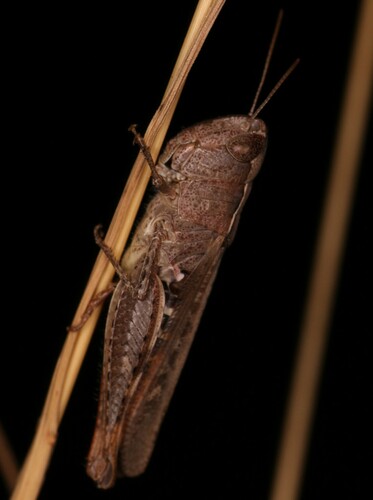
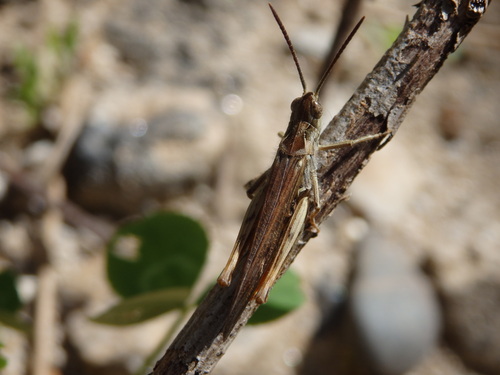
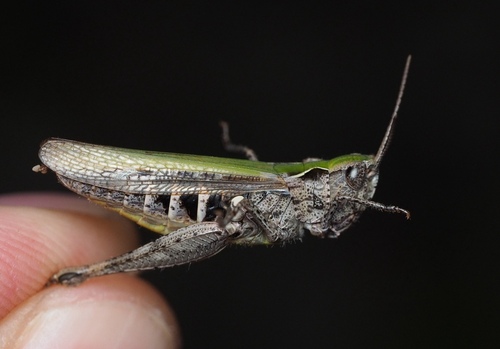
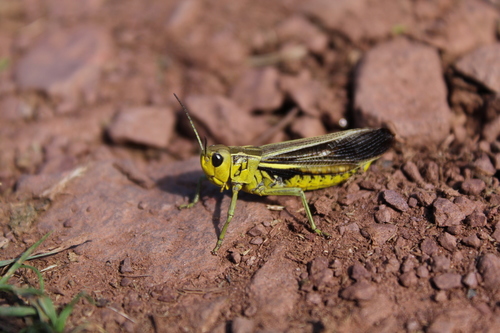
The range of the bow-winged grasshopper extends from the Finland and Scandinavia in the north to the Alps and Pyrenees in the south, and goes well into Asia including Japan. Females grow to approximately 2 cm (0.79 in) and are larger than males that grow to approximately 1.5 cm (0.59 in). Males often have a red tip to the abdomen while females do not. They can be extremely variable in colour from green to black-brown to rose.

C. brunneus, C. bigguttulus and C. mollis are morphologically distinguished by the size of the costal and subcostal fields of the wings. They are more easy recognised by their song patterns. Female C. biguttulus appear to be able to integrate information... Wikipedia →

Global Distribution

Parks Where Found

# Park Country Daily sighting probability
1 Tatra National Park 🇸🇰 Slovakia
~10%
2 Ecrins National Park 🇫🇷 France
~10%
3 Pyrénées National Park 🇫🇷 France
~10%

Cities Where Found

# City Country Daily sighting probability
1 Novosibirsk 🇷🇺 Russia
~10%
2 Helsinki 🇫🇮 Finland
~10%
3 Vienna 🇦🇹 Austria
~10%
4 Cologne 🇩🇪 Germany
<5%
5 Prague 🇨🇿 Czechia
<5%
6 Paris 🇫🇷 France
<5%
7 Moscow 🇷🇺 Russia
<5%

Before you go

What are the chances of seeing a Bow-Winged Grasshopper in Pyrénées National Park?

With luck

About 10% of wildlife watchers report a Bow-Winged Grasshopper sighting in Pyrénées National Park on a given day, based on 16 verified sightings from GBIF citizen-science data from 2019 to 2026. It is the 576th most-seen of the 1277 insects we can rate there. Over three days the chance rises to about 10%, and over a week to about 30%, if each day is a fresh chance.

When is the best time to see a Bow-Winged Grasshopper in Pyrénées National Park?

August–October and December

In those months about 10% of wildlife watchers report a Bow-Winged Grasshopper in Pyrénées National Park on a given day, against under 5% in January–July and November, the lowest months.

What time of day is best to see a Bow-Winged Grasshopper?

Between 1 and 4 pm

Across all the parks we cover, that three-hour window holds the most Bow-Winged Grasshopper sightings with a recorded time, and about 9 in 10 of them come between 6 am and 6 pm: it is a daytime animal.

Is Pyrénées National Park the best place to see a Bow-Winged Grasshopper?

Among the best

Of the 3 parks where we can rate Bow-Winged Grasshopper sightings, Pyrénées National Park ranks 3rd at about 10%, level with the leaders once rounded. The best odds are in Tatra National Park (Slovakia, about 10%) and Ecrins National Park (France, about 10%).

Which relatives of the Bow-Winged Grasshopper live in Pyrénées National Park?

Same genus: Chorthippus

The closest relatives of the Bow-Winged Grasshopper that you can see in Pyrénées National Park (genus Chorthippus, Eurasian Field Grasshoppers) are French Grasshopper (about 10%), Locomotive Grasshopper (about 10%) and Steppe Grasshopper (about 10%), with each one's daily chance of a sighting.

Where does the Bow-Winged Grasshopper sighting chance come from?

GBIF citizen-science records

It is estimated from how often the Bow-Winged Grasshopper is recorded against all the insects logged in Pyrénées National Park (16 verified sightings from 2019 to 2026), calibrated against known sighting rates. Figures are rounded to the nearest 10% because citizen-science data supports honest approximations, not decimals, and months with records from fewer than five people show "—". How it works.

← Back to Pyrénées National Park