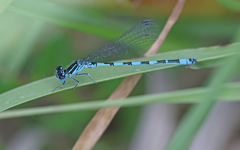
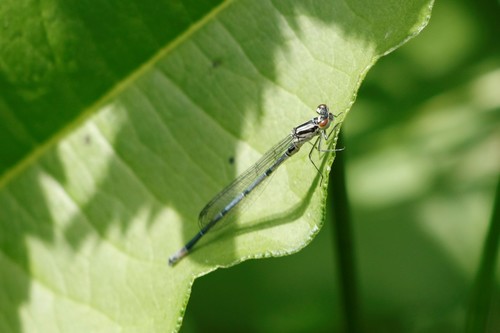
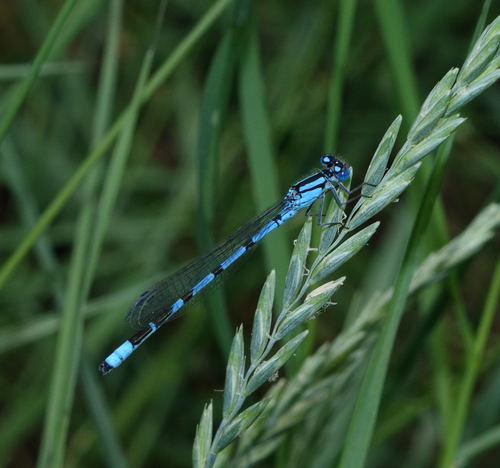
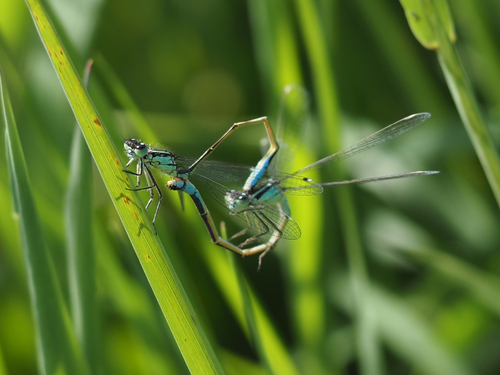
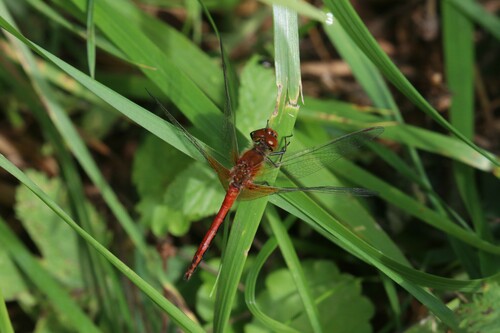
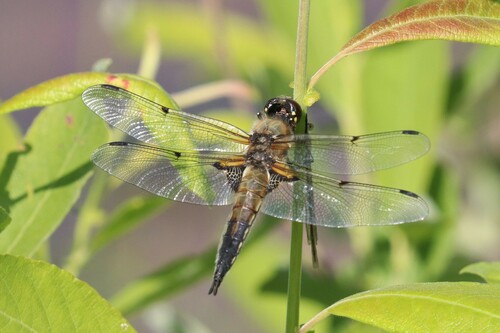
Southern Damselfly

Southern Damselfly

Coenagrion mercuriale

Daily sighting probability <5% · Rare
at Pyrénées National Park

In 3 days ~10% in a week ~20%

6 Verified sightings at Pyrénées National Park From 2019 to 2026
6 In 1 park
June Best month
🌅 Crepuscular When it's spotted

About the Southern Damselfly

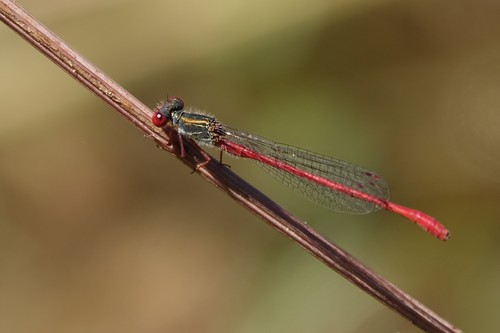
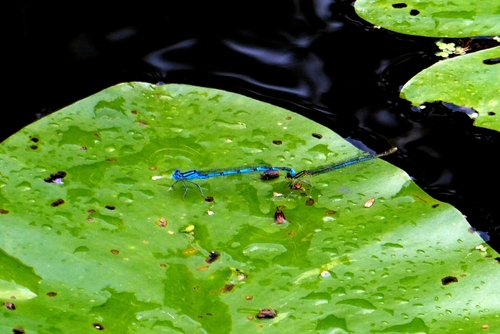
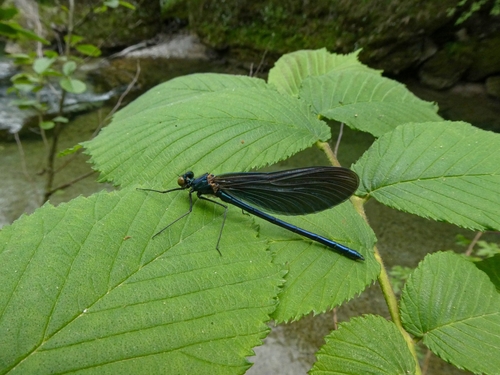
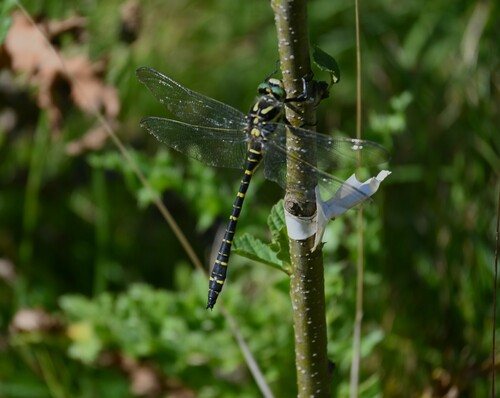
Coenagrion mercuriale, the southern damselfly, is a species of damselfly in the family Coenagrionidae. It is found in Algeria, Austria, Belgium, France, Germany, Italy, Liechtenstein, Luxembourg, Morocco, the Netherlands, Portugal, Romania, Slovakia, Slovenia, Spain, Switzerland, Tunisia, and the United Kingdom. Its natural habitats are rivers and freshwater springs. It is threatened by habitat loss.

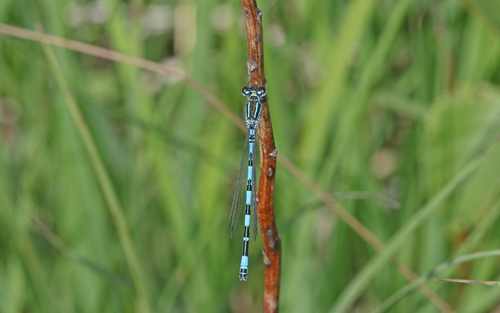
The specific part of the scientific name, mercuriale, is because of the distinctive markings on the second segment of the abdomen that resembles the astrological symbol for the planet Mercury - ☿. This also gives the species an alternative common name of mercury bluet.

They require areas of open vegetation, mixed with slow flowing water in which to lay their eggs. The larvae spend 2 years underwater before emerging as damselflies. It is thought that 25% of the world population exists within the United Kingdom but it has declined by 30% since 1960 due to changes in grazing, land drainage and water abstraction.

Places where they are found include the New Forest, Hampshire, Oxfordshire and the Preseli Hills, Pembrokeshire, where work was being... Wikipedia →
Global Distribution

Parks Where Found

# Park Country Daily sighting probability
1 Pyrénées National Park 🇫🇷 France
<5%

More parks will be added in future updates.

Cities Where Found

# City Country Daily sighting probability
1 Lisbon 🇵🇹 Portugal
<5%

Before you go

What are the chances of seeing a Southern Damselfly in Pyrénées National Park?

Rare

Under 5% of wildlife watchers report a Southern Damselfly sighting in Pyrénées National Park on a given day, based on 6 verified sightings from GBIF citizen-science data from 2019 to 2026. It is the 1026th most-seen of the 1277 insects we can rate there. Over three days the chance rises to about 10%, and over a week to about 20%, if each day is a fresh chance.

When is the best time to see a Southern Damselfly in Pyrénées National Park?

April and June

In those months about 10% of wildlife watchers report a Southern Damselfly in Pyrénées National Park on a given day, against under 5% in May and July–March, the lowest months.

What time of day is best to see a Southern Damselfly?

Between 2 and 5 pm

Across all the parks we cover, that three-hour window holds the most Southern Damselfly sightings with a recorded time, and about 7 in 10 of them come between 6 am and 6 pm: it is most active around dawn and dusk.

Where else can you see a Southern Damselfly?

Only Pyrénées National Park, in our data

Pyrénées National Park is the only park on Wallace's Line with enough records to rate Southern Damselfly sightings: under 5% of wildlife watchers there report one on a given day.

Where does the Southern Damselfly sighting chance come from?

GBIF citizen-science records

It is estimated from how often the Southern Damselfly is recorded against all the insects logged in Pyrénées National Park (6 verified sightings from 2019 to 2026), calibrated against known sighting rates. Figures are rounded to the nearest 10% because citizen-science data supports honest approximations, not decimals, and months with records from fewer than five people show "—". How it works.

← Back to Pyrénées National Park