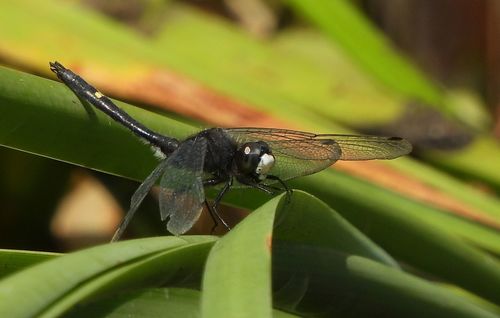
Canada Darner

Canada Darner

Aeshna canadensis

Daily sighting probability ~10% · With luck
at Riding Mountain National Park

In 3 days ~20% in a week ~40%

5 Verified sightings at Riding Mountain National Park From 2019 to 2026
10 In all 2 parks
July Best month
☀️ Diurnal When it's spotted

About the Canada Darner

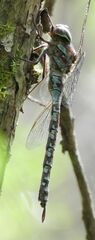
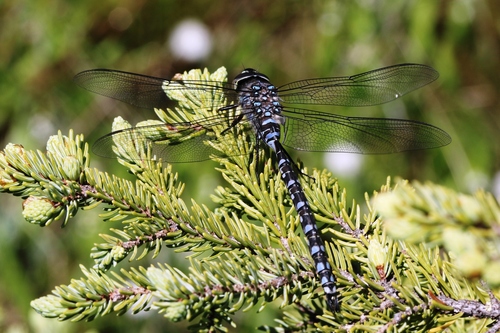
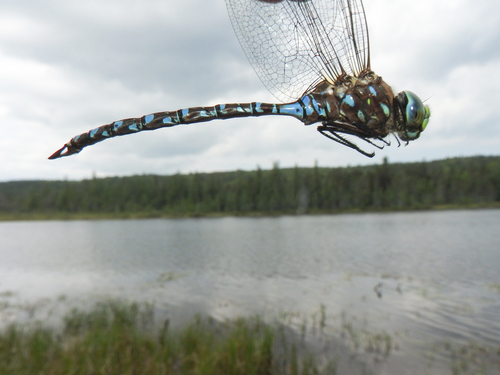
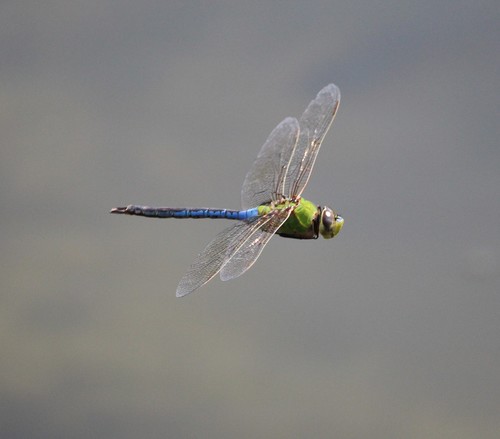
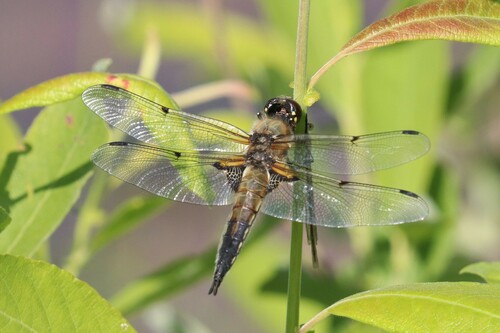
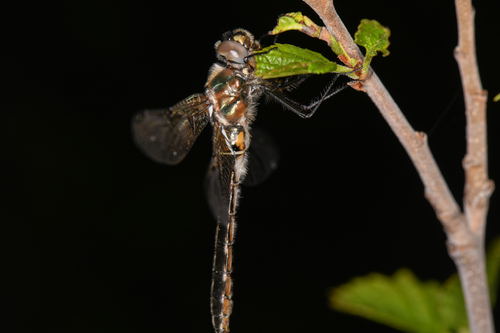
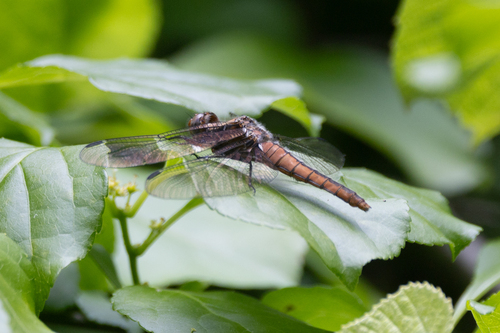
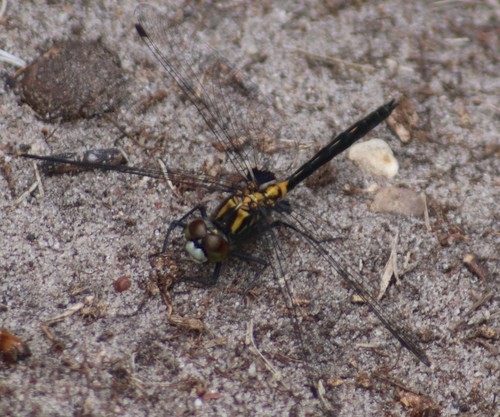
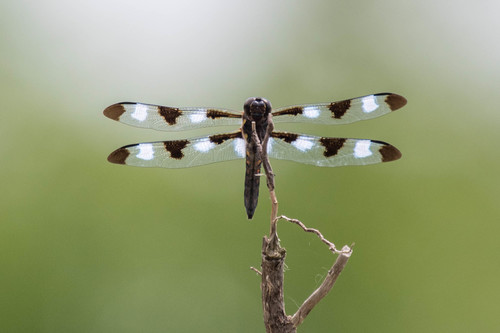
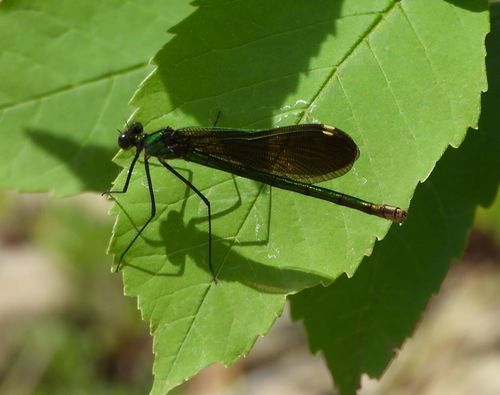
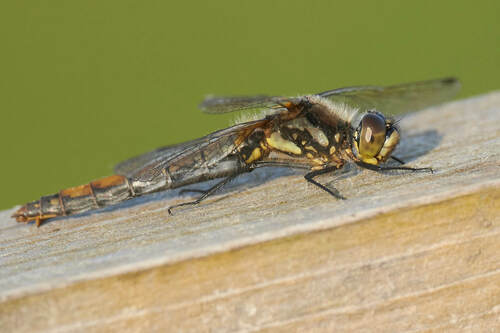
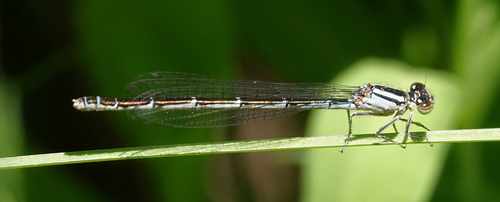
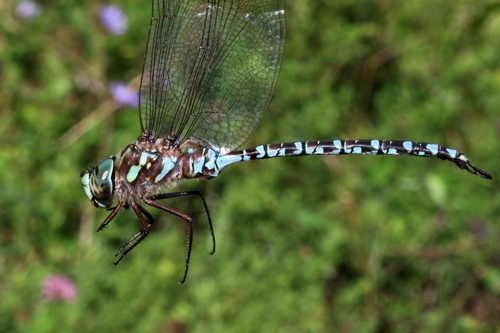
Aeshna canadensis, the Canada darner, is a species of dragonfly in the family Aeshnidae. It is common throughout southern Canada and the northern United States. Adult Canada darners, similar to other members of the genus Aeshna, are relatively large, slender dragonflies, and are predominantly dark brown with paler blue or green markings. Adults are 64 to 73 mm in total length. The thorax has two vertical stripes on each side, the front with a prominent notch and an extension at the top. The abdomen has spots on most segments. The pale markings are usually blue in males and range from yellow-green to blue in females. The eyes are bluish in males and yellowish or bluish in females. The pale markings may turn gray at colder temperatures.

The green-striped darner is very similar, but is distinguished by minor differences in the shape of the markings and in typically having green thorax stripes. The lake darner is also similar but is larger and has a distinct dark stripe across the face.

The Canada darner was first scientifically described in 1908 by Canadian entomologist Edmund Murton Walker, in the same publication as the first descriptions of black-tipped... Wikipedia →
Global Distribution

Parks Where Found

# Park Country Daily sighting probability
1 Riding Mountain National Park 🇨🇦 Canada
~10%
2 Acadia National Park 🇺🇸 United States
<5%

Cities Where Found

# City Country Daily sighting probability
1 Montreal 🇨🇦 Canada
<5%
2 Minneapolis [Saint Paul] 🇺🇸 United States
<5%
3 Toronto 🇨🇦 Canada
<5%

Before you go

What are the chances of seeing a Canada Darner in Riding Mountain National Park?

With luck

About 10% of wildlife watchers report a Canada Darner sighting in Riding Mountain National Park on a given day, based on 5 verified sightings from GBIF citizen-science data from 2019 to 2026. It is the 85th most-seen of the 104 insects we can rate there. Over three days the chance rises to about 20%, and over a week to about 40%, if each day is a fresh chance.

When is the best time to see a Canada Darner in Riding Mountain National Park?

July

In that month about 20% of wildlife watchers report a Canada Darner in Riding Mountain National Park on a given day, against under 5% in August to May, the lowest months. That is one of Riding Mountain National Park's wettest months, with about 70 mm of rain against 20 mm in February.

What time of day is best to see a Canada Darner?

Between 11 am and 2 pm

Across all the parks we cover, that three-hour window holds the most Canada Darner sightings with a recorded time, and nearly all of them come between 6 am and 6 pm: it is a daytime animal.

Is Riding Mountain National Park the best place to see a Canada Darner?

Yes

Of the 2 parks where we can rate Canada Darner sightings, Riding Mountain National Park has the highest daily chance: about 10%. Next come Acadia National Park (United States, under 5%).

Which relatives of the Canada Darner live in Riding Mountain National Park?

Same genus: Aeshna

The closest relatives of the Canada Darner that you can see in Riding Mountain National Park (genus Aeshna, Hawkers and Typical Darners) are Lake Darner (about 20%) and Variable Darner (about 20%), with each one's daily chance of a sighting.

Where does the Canada Darner sighting chance come from?

GBIF citizen-science records

It is estimated from how often the Canada Darner is recorded against all the insects logged in Riding Mountain National Park (5 verified sightings from 2019 to 2026), calibrated against known sighting rates. Figures are rounded to the nearest 10% because citizen-science data supports honest approximations, not decimals, and months with records from fewer than five people show "—". How it works.

← Back to Riding Mountain National Park