Grant's Hercules Beetle

Grant's Hercules Beetle

Dynastes grantii

Daily sighting probability <5% · Rare
at Saguaro National Park

In 3 days ~10% in a week ~20%

7 Verified sightings at Saguaro National Park From 2019 to 2026
23 In all 2 parks
September Best month
☀️🌙 Day & Night When it's spotted

About the Grant's Hercules Beetle

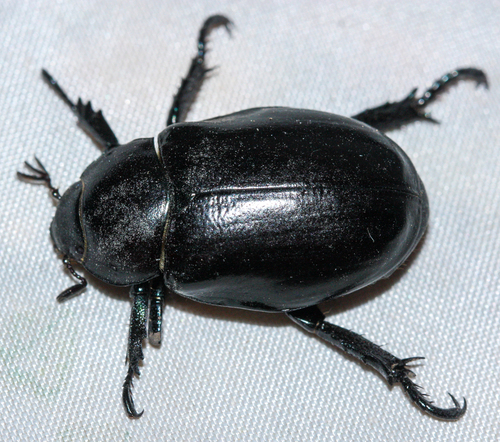
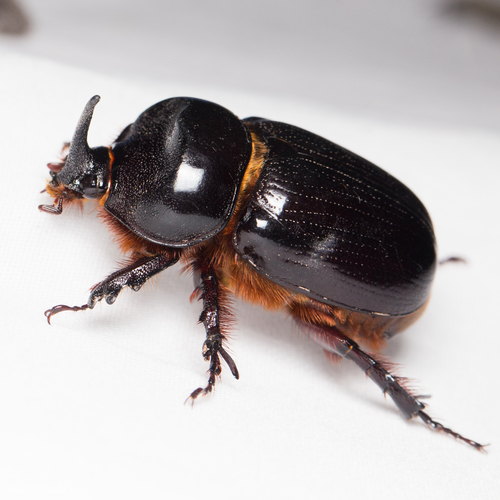
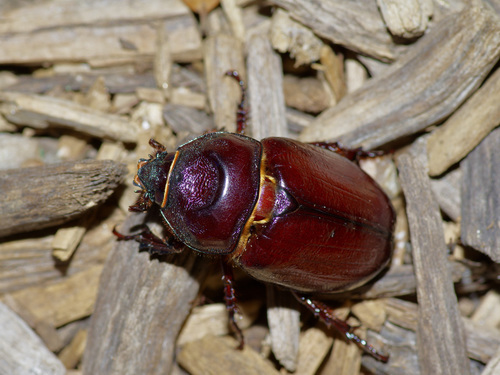
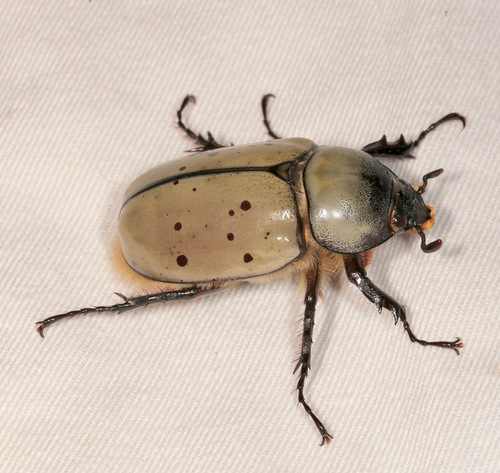
The western Hercules beetle (Dynastes grantii, often misspelled as "granti") is a species of rhinoceros beetle that lives in Arizona, New Mexico and Utah in the United States and in parts of northern Mexico. This species is known for its grayish-white elytra, large size, and characteristic horn of the adult males.

Adult body sizes of both sexes vary from 3.5 to 6.0 cm (1.4–2.4 in) (apex of elytra to apex of thoracic horn), with captive-reared individuals reaching up to 8.0 cm (3.1 in) Coloration of the elytra varies from white to grayish-white, often with irregular black spots of various size and number. At high humidity levels, the elytra may appear black.

Dynastes grantii is sexually dimorphic, with the females lacking the characteristic horns of the male. Like other Hercules beetle species, Dynastes grantii undergoes a six-stage life cycle from egg to adult, with three larval instars and a single pupal stage. The time from egg to pupal eclosion is estimated to take approximately two years. The pupal stage lasts about 30 days. Adults emerge from the pupal chamber between the months of August through October and typically live between two and four... Wikipedia →
Global Distribution

Parks Where Found

# Park Country Daily sighting probability
1 Zion National Park 🇺🇸 United States
~10%
2 Saguaro National Park 🇺🇸 United States
<5%

Before you go

What are the chances of seeing a Grant's Hercules Beetle in Saguaro National Park?

Rare

Under 5% of wildlife watchers report a Grant's Hercules Beetle sighting in Saguaro National Park on a given day, based on 7 verified sightings from GBIF citizen-science data from 2019 to 2026. It is the 248th most-seen of the 354 insects we can rate there. Over three days the chance rises to about 10%, and over a week to about 20%, if each day is a fresh chance.

When is the best time to see a Grant's Hercules Beetle in Saguaro National Park?

August and September

In those months about 10% of wildlife watchers report a Grant's Hercules Beetle in Saguaro National Park on a given day, against under 5% in October to July, the lowest months. Those are among Saguaro National Park's wettest months, with about 45 mm of rain a month against almost none in May.

What time of day is best to see a Grant's Hercules Beetle?

Between 7 and 10 pm

Across all the parks we cover, that three-hour window holds the most Grant's Hercules Beetle sightings with a recorded time, and about 6 in 10 of them come between 6 am and 6 pm: it is seen both by day and at night.

Is Saguaro National Park the best place to see a Grant's Hercules Beetle?

2nd of 2

Of the 2 parks where we can rate Grant's Hercules Beetle sightings, Saguaro National Park ranks 2nd at under 5%. The best odds are in Zion National Park (United States, about 10%).

Which relatives of the Grant's Hercules Beetle live in Saguaro National Park?

Same family: Scarabaeidae

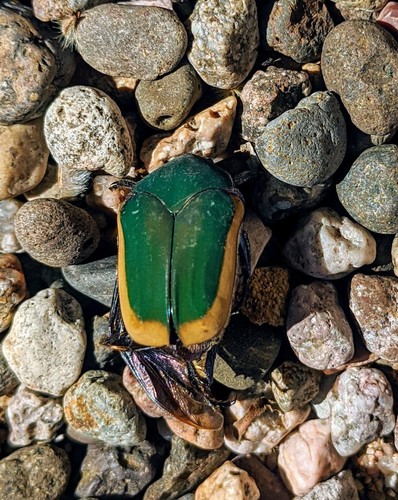
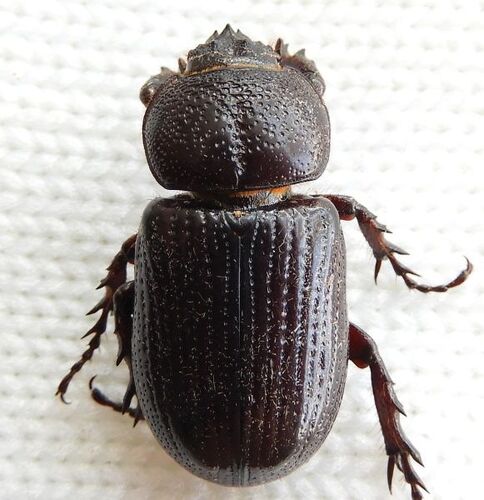
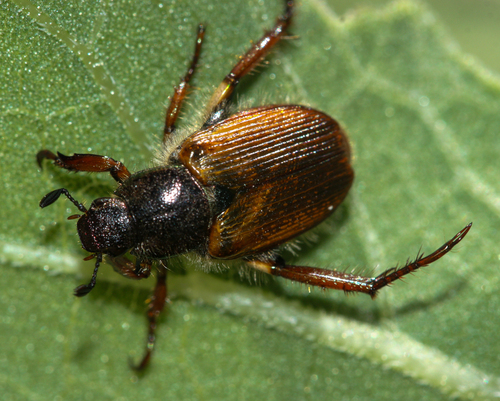
The closest relatives of the Grant's Hercules Beetle that you can see in Saguaro National Park (family Scarabaeidae, Scarabs) are Figeater Beetle (about 10%) and Lesser Triceratops Beetle (about 10%), with each one's daily chance of a sighting.

Where does the Grant's Hercules Beetle sighting chance come from?

GBIF citizen-science records

It is estimated from how often the Grant's Hercules Beetle is recorded against all the insects logged in Saguaro National Park (7 verified sightings from 2019 to 2026), calibrated against known sighting rates. Figures are rounded to the nearest 10% because citizen-science data supports honest approximations, not decimals, and months with records from fewer than five people show "—". How it works.

← Back to Saguaro National Park