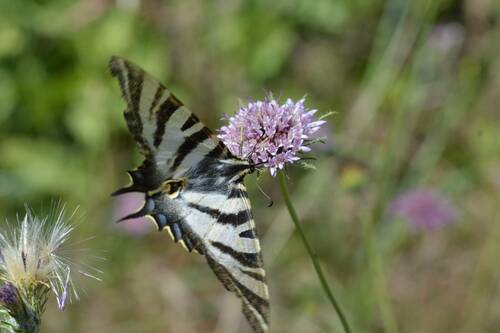
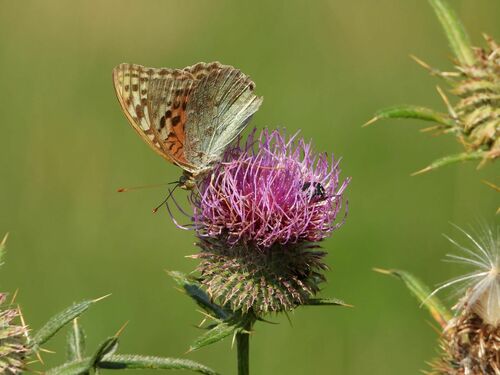
Anthophila nemorana

Anthophila nemorana

Anthophila nemorana

Daily sighting probability ~10% · With luck
at Sierra Nevada National Park

In 3 days ~20% in a week ~50%

5 Verified sightings at Sierra Nevada National Park From 2019 to 2026
16 In all 2 parks
July Best month
☀️🌙 Day & Night When it's spotted

About the Anthophila nemorana

Choreutis nemorana, the fig-tree skeletonizer moth or fig leaf roller, is a species of moth of the family Choreutidae. It was first described by the German entomologist Jacob Hübner in 1799. They are found in Asia, Europe and North Africa.

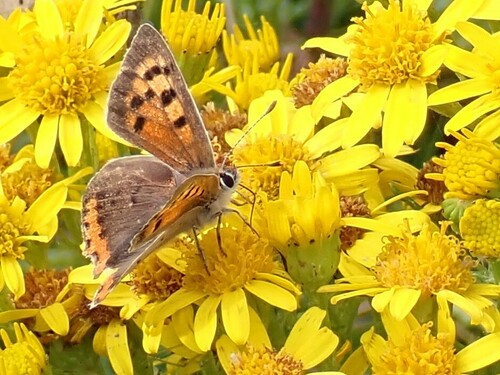
Choreutis nemorana has a wingspan of 16–20 mm. The basic color of the forewings varies from reddish brown to ocher brown, with whitish markings. The hindwings are brownish, with two pale brown dots on the edge. Adults overwinter and appear in early spring. Adults of the summer generation emerge in July. The second generation emerges in autumn and hibernate.

The larvae feed within a spiining on the upperside of fig leaves (Ficus carica) and pupate in a tough white cocoon in a leaf-edge fold. This species is widespread from the Canary Islands and Madeira, through the Mediterranean Region and North Africa to Asia.

In 2009, it was first recorded in Belgium, established colonies in the east and is expected to spread to the west. It was first seen in the United Kingdom in 2014 and has since spread to East Anglia, the Isle of Wight and Kent.

The eggs can be removed by hand or can be controlled using... Wikipedia →

Global Distribution

Parks Where Found

# Park Country Daily sighting probability
1 Sierra Nevada National Park 🇪🇸 Spain
~10%
2 Cévennes National Park 🇫🇷 France
~10%

Cities Where Found

# City Country Daily sighting probability
1 London 🇬🇧 United Kingdom
~10%
2 Paris 🇫🇷 France
<5%
3 Vienna 🇦🇹 Austria
<5%

Before you go

What are the chances of seeing an Anthophila nemorana in Sierra Nevada National Park?

With luck

About 10% of wildlife watchers report an Anthophila nemorana sighting in Sierra Nevada National Park on a given day, based on 5 verified sightings from GBIF citizen-science data from 2019 to 2026. It is the 390th most-seen of the 479 insects we can rate there. Over three days the chance rises to about 20%, and over a week to about 50%, if each day is a fresh chance.

When is the best time to see an Anthophila nemorana in Sierra Nevada National Park?

July

In that month about 30% of wildlife watchers report an Anthophila nemorana in Sierra Nevada National Park on a given day, against under 5% in August to June, the lowest months. That is one of Sierra Nevada National Park's driest months, with about 30 mm of rain against 130 mm in March.

What time of day is best to see an Anthophila nemorana?

Between 1 and 4 pm

Across all the parks we cover, that three-hour window holds the most Anthophila nemorana sightings with a recorded time, and about 7 in 10 of them come between 6 am and 6 pm: it is seen both by day and at night.

Is Sierra Nevada National Park the best place to see an Anthophila nemorana?

Yes

Of the 2 parks where we can rate Anthophila nemorana sightings, Sierra Nevada National Park has the highest daily chance: about 10%. Next come Cévennes National Park (France, about 10%).

Which relatives of the Anthophila nemorana live in Sierra Nevada National Park?

Same order: Lepidoptera

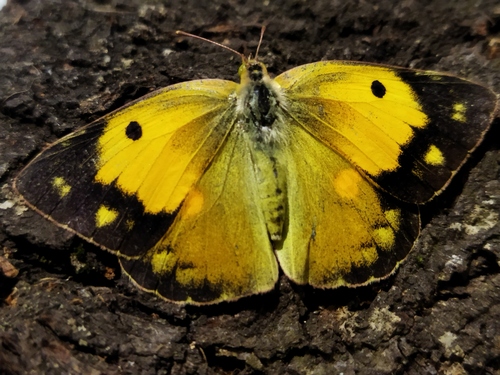
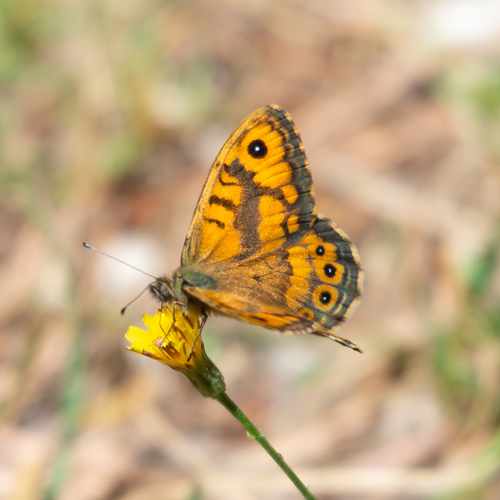
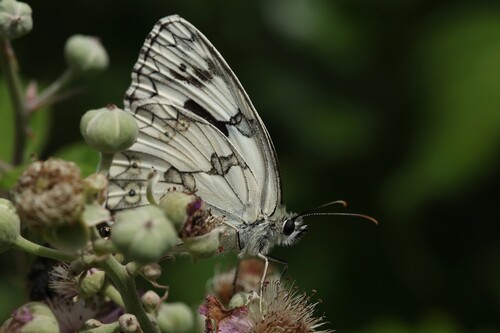
The closest relatives of the Anthophila nemorana that you can see in Sierra Nevada National Park (order Lepidoptera, Butterflies and Moths) are Clouded Yellow (about 40%), Wall Brown (about 40%) and Iberian Marbled White (about 30%), with each one's daily chance of a sighting.

Where does the Anthophila nemorana sighting chance come from?

GBIF citizen-science records

It is estimated from how often the Anthophila nemorana is recorded against all the insects logged in Sierra Nevada National Park (5 verified sightings from 2019 to 2026), calibrated against known sighting rates. Figures are rounded to the nearest 10% because citizen-science data supports honest approximations, not decimals, and months with records from fewer than five people show "—". How it works.

← Back to Sierra Nevada National Park