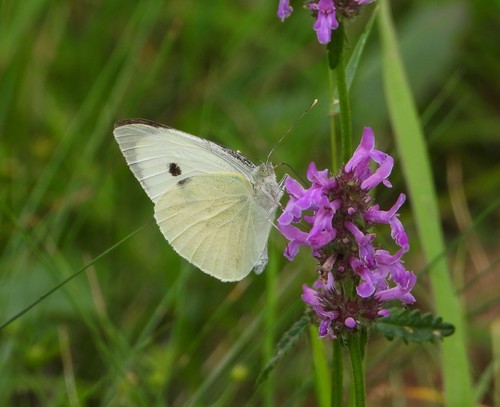
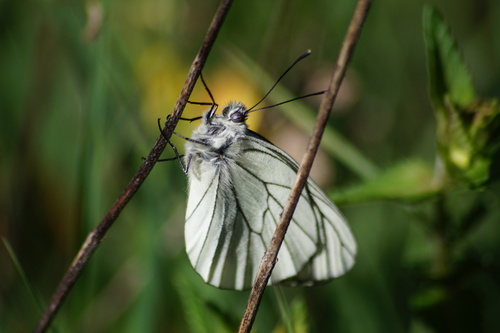
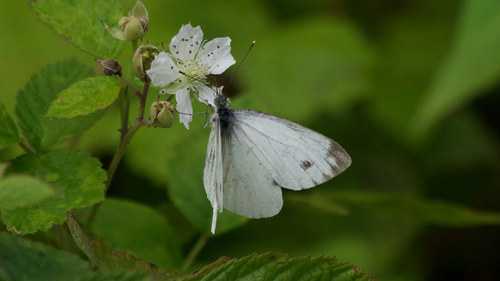
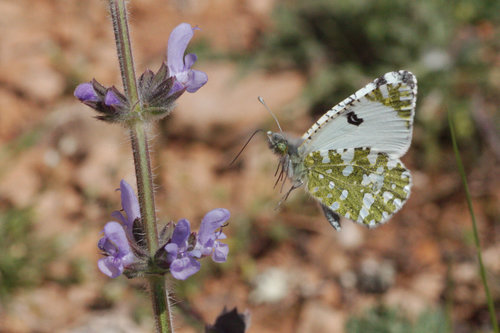
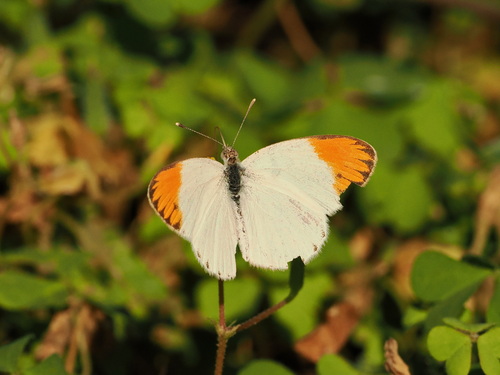
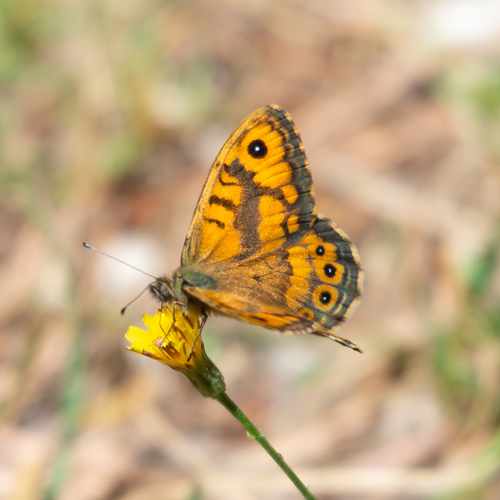
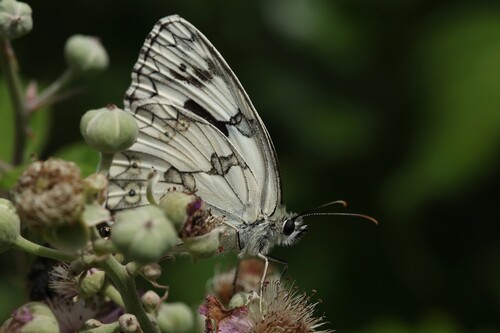
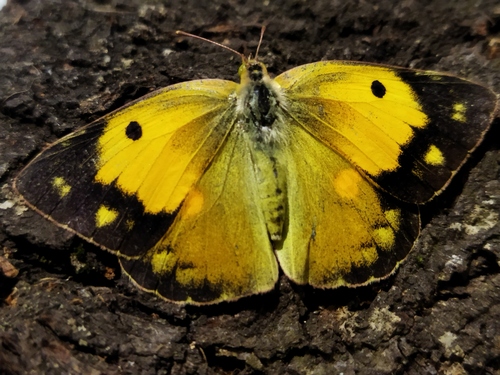
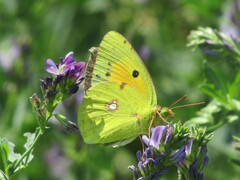
Clouded Yellow
Daily sighting probability ~40% · Likely
at Sierra Nevada National Park

In 3 days ~80% in a week >90%

81 Verified sightings at Sierra Nevada National Park From 2019 to 2026
824 In all 15 parks
June Best month
☀️ Diurnal When it's spotted

About the Clouded Yellow

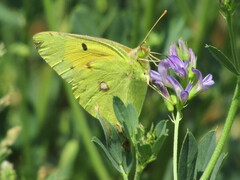
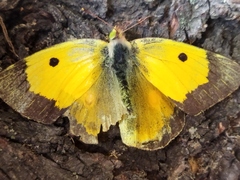
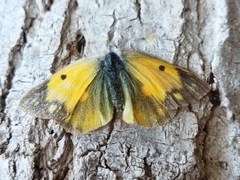
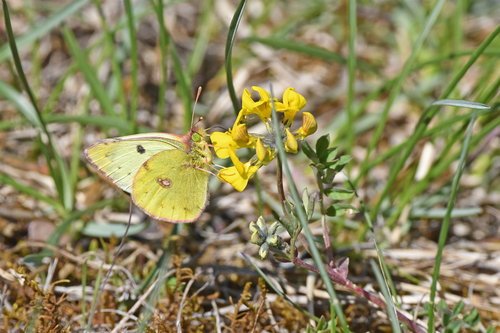
Colias croceus, the clouded yellow, is a small butterfly of the family Pieridae, the yellows and whites. Colias croceus croceus Colias croceus f. deserticola (Verity, 1909) Colias croceus f. helice (Hübner) Colias croceus f. helicina (Oberthür, 1880)

Colias crocea f. mediterranea (Stauder, 1913) All of these forms are usually considered synonyms of Colias croceus. Colias croceus is one of the most widespread species in Europe. The common clouded yellow's breeding range is North Africa and southern Europe and eastwards through Turkey into the Middle East, but it occurs throughout much of Europe as a summer migrant, in good years individuals reaching Scandinavia. In Asia, its range extends into central Siberia in the north and barely into India in the south; it is not found in Central Asia.

This species is primarily an immigrant to the UK, originating from southern Europe and northern Africa. In the UK they can be seen on the south coast almost every year in varying numbers, and regularly breed there. Occurrence in the rest of the UK varies considerably from year to year, but they are increasingly observed as far north as Dumfries... Wikipedia →
Global Distribution

Parks Where Found

# Park Country Daily sighting probability
1 Aigüestortes National Park 🇪🇸 Spain
~40%
2 Sierra Nevada National Park 🇪🇸 Spain
~40%
3 Picos de Europa National Park 🇪🇸 Spain
~30%
4 Sierra de Guadarrama National Park 🇪🇸 Spain
~20%
5 Ordesa y Monte Perdido National Park 🇪🇸 Spain
~20%
6 Triglav National Park 🇸🇮 Slovenia
~20%
7 Pyrénées National Park 🇫🇷 France
~20%
8 Monfragüe National Park 🇪🇸 Spain
~20%
9 Mercantour National Park 🇫🇷 France
~20%
10 Doñana National Park 🇪🇸 Spain
~20%
11 Cévennes National Park 🇫🇷 France
~20%
12 Camargue 🇫🇷 France
~10%
13 Ecrins National Park 🇫🇷 France
~10%
14 Vanoise National Park 🇫🇷 France
~10%
15 Bavarian Forest National Park 🇩🇪 Germany
~10%

Cities Where Found

# City Country Daily sighting probability
1 Jerusalem 🇮🇱 Israel
~20%
2 Barcelona 🇪🇸 Spain
~20%
3 Madrid 🇪🇸 Spain
~20%
4 Milan 🇮🇹 Italy
~20%
5 Athens 🇬🇷 Greece
~10%
6 Yerevan 🇦🇲 Armenia
~10%
7 Istanbul 🇹🇷 Turkey
~10%
8 Tehran 🇮🇷 Iran
~10%
9 Izmir 🇹🇷 Turkey
~10%
10 Tel Aviv 🇮🇱 Israel
~10%

Before you go

What are the chances of seeing a Clouded Yellow in Sierra Nevada National Park?

Likely

About 40% of wildlife watchers report a Clouded Yellow sighting in Sierra Nevada National Park on a given day, based on 81 verified sightings from GBIF citizen-science data from 2019 to 2026. It is the most-seen of the 479 insects we can rate there. Over three days the chance rises to about 80%, and over a week to over 90%, if each day is a fresh chance.

When is the best time to see a Clouded Yellow in Sierra Nevada National Park?

June and July

In those months about 50% of wildlife watchers report a Clouded Yellow in Sierra Nevada National Park on a given day, against under 5% in February and December, the lowest months.

What time of day is best to see a Clouded Yellow?

Between 11 am and 2 pm

Across all the parks we cover, that three-hour window holds the most Clouded Yellow sightings with a recorded time, and about 9 in 10 of them come between 6 am and 6 pm: it is a daytime animal.

Is Sierra Nevada National Park the best place to see a Clouded Yellow?

Among the best

Of the 15 parks where we can rate Clouded Yellow sightings, Sierra Nevada National Park ranks 2nd at about 40%, level with the leaders once rounded. The best odds are in Aigüestortes National Park (Spain, about 40%).

Where does the Clouded Yellow sighting chance come from?

GBIF citizen-science records

It is estimated from how often the Clouded Yellow is recorded against all the insects logged in Sierra Nevada National Park (81 verified sightings from 2019 to 2026), calibrated against known sighting rates. Figures are rounded to the nearest 10% because citizen-science data supports honest approximations, not decimals, and months with records from fewer than five people show "—". How it works.

← Back to Sierra Nevada National Park