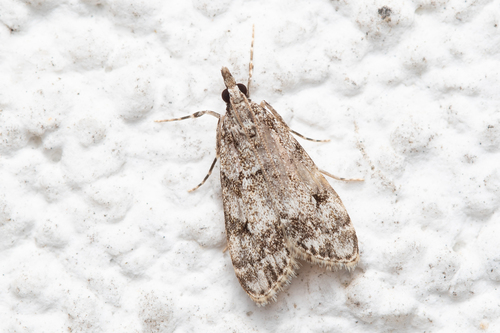
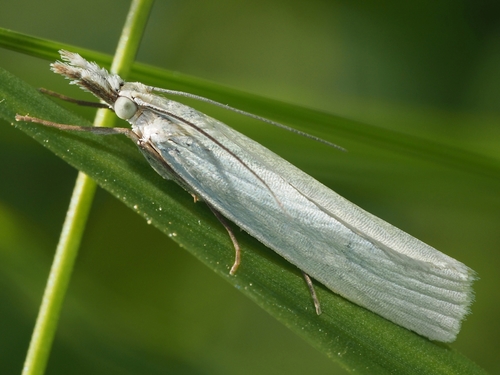
Elderberry Pearl

Elderberry Pearl

Anania coronata

Daily sighting probability ~10% · With luck
at Snowdonia National Park

In 3 days ~20% in a week ~40%

5 Verified sightings at Snowdonia National Park From 2019 to 2026
21 In all 2 parks
July Best month
🌅 Crepuscular When it's spotted

About the Elderberry Pearl

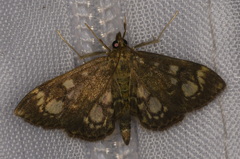
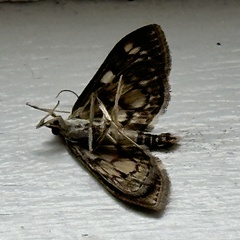
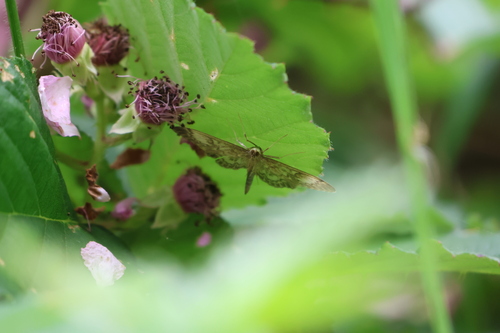
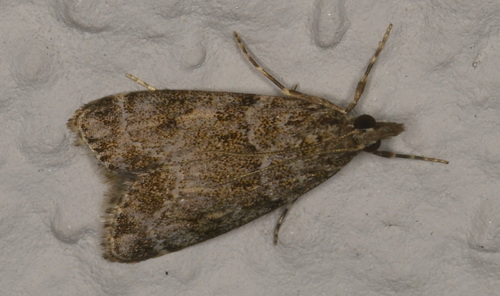
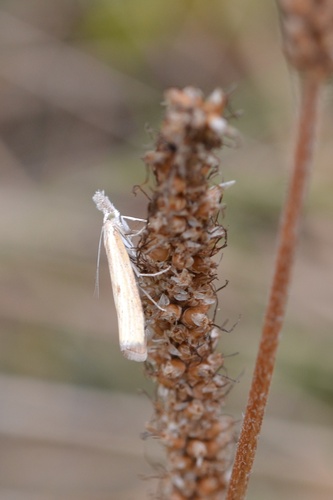
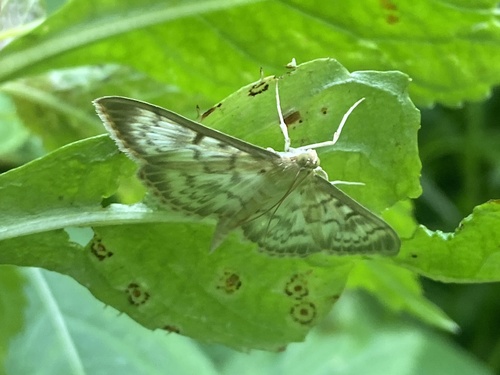
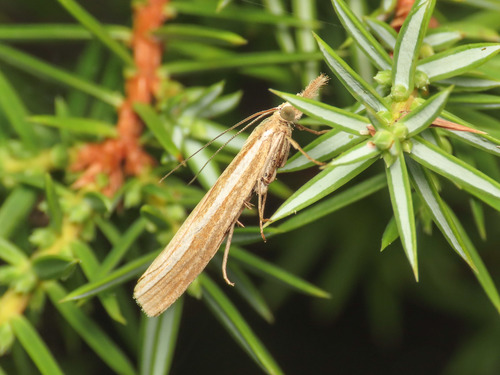
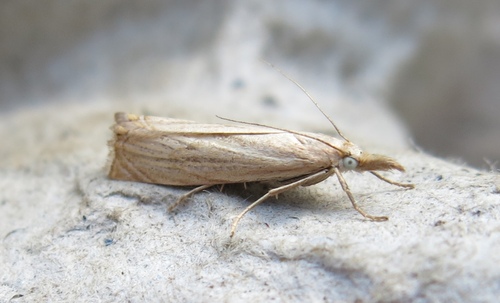
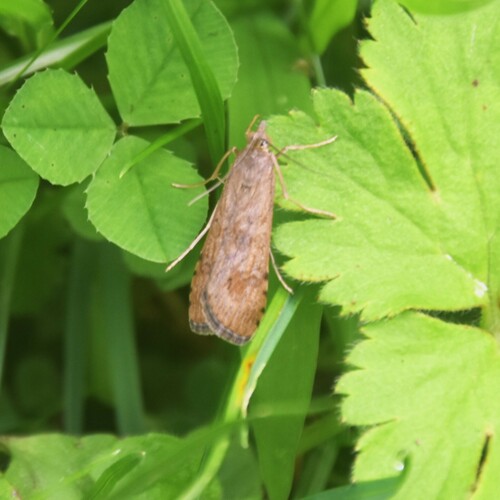
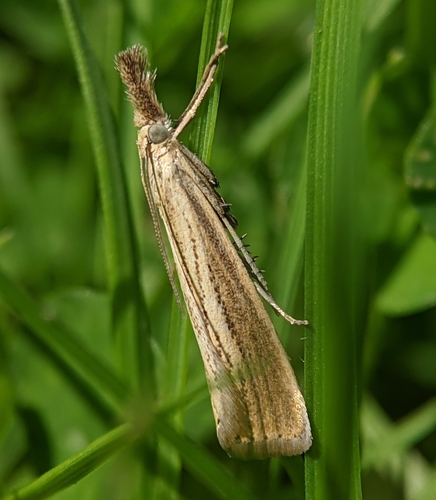
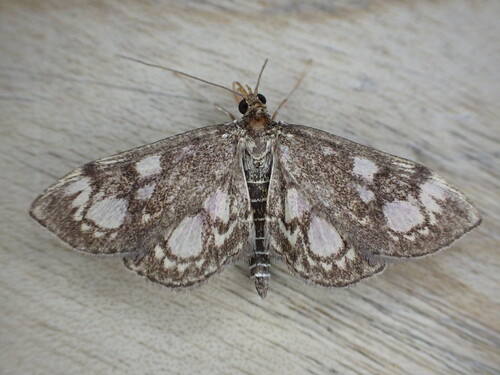
Anania coronata, the elderberry pearl, elder pearl or crowned phlyctaenia, is a species of moth of the family Crambidae. It was described by Johann Siegfried Hufnagel in 1767 and is found in the northern parts of the Palearctic realm. It was previously also considered present in the Nearctic realm, but was found to be part of a species complex, with A. coronata being restricted to the Palearctic while the three closely related species A. plectilis, A. tertialis and A. tennesseensis are only present in the Nearctic. The adults of the species closely resembles Anania stachydalis.

The wingspan is 23–26 mm. Forewings dark fuscous, sprinkled with yellow-whitish; first line indistinct, preceded by a whitish dot; second dark fuscous, posteriorly with a waved whitish-yellowish edging, middle third forming a quadrangular projection including a pale whitish-yellowish blotch, below this with a loop inwards enclosing a whitish-yellowish spot; orbicular dot and transverse discal mark darker, separated by a square whitish-yellowish spot. Hindwings as forewings, but anterior markings obsolete, posterior pale blotches much enlarged. The larva is whitish-green; dorsal and subdorsal lines green; incisions yellowish; on 3 and usually 4 a black lateral spot.

The moth flies from May to August depending on location. The caterpillars feed on elderberry, Calystegia sepium, sunflower, Ligustrum, Viburnum and common lilac. Wikipedia →
Global Distribution

Parks Where Found

# Park Country Daily sighting probability
1 Snowdonia National Park 🇬🇧 United Kingdom
~10%
2 Wadden Sea National Park 🇩🇪 Germany
~10%

Cities Where Found

# City Country Daily sighting probability
1 Liverpool 🇬🇧 United Kingdom
~20%
2 London 🇬🇧 United Kingdom
~10%
3 Birmingham 🇬🇧 United Kingdom
~10%
4 Manchester 🇬🇧 United Kingdom
~10%
5 Helsinki 🇫🇮 Finland
<5%
6 Porto 🇵🇹 Portugal
<5%

Before you go

What are the chances of seeing an Elderberry Pearl in Snowdonia National Park?

With luck

About 10% of wildlife watchers report an Elderberry Pearl sighting in Snowdonia National Park on a given day, based on 5 verified sightings from GBIF citizen-science data from 2019 to 2026. It is the 336th most-seen of the 387 insects we can rate there. Over three days the chance rises to about 20%, and over a week to about 40%, if each day is a fresh chance.

When is the best time to see an Elderberry Pearl in Snowdonia National Park?

June to August

In those months about 10% of wildlife watchers report an Elderberry Pearl in Snowdonia National Park on a given day, against under 5% in September to May, the lowest months.

What time of day is best to see an Elderberry Pearl?

Between 6 and 9 am

Across all the parks we cover, that three-hour window holds the most Elderberry Pearl sightings with a recorded time, and about half of them come between 6 am and 6 pm: it is most active around dawn and dusk.

Is Snowdonia National Park the best place to see an Elderberry Pearl?

Yes

Of the 2 parks where we can rate Elderberry Pearl sightings, Snowdonia National Park has the highest daily chance: about 10%. Next come Wadden Sea National Park (Germany, about 10%).

Which relatives of the Elderberry Pearl live in Snowdonia National Park?

Same genus: Anania

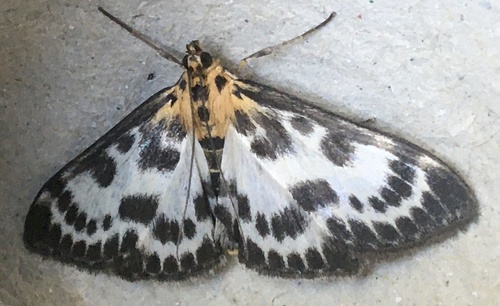
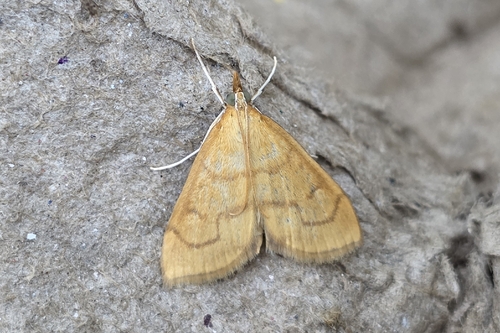
The closest relatives of the Elderberry Pearl that you can see in Snowdonia National Park (genus Anania) are Small Magpie (about 10%), Ochreous Pearl (about 10%) and Long-Winged Pearl (about 10%), with each one's daily chance of a sighting.

Where does the Elderberry Pearl sighting chance come from?

GBIF citizen-science records

It is estimated from how often the Elderberry Pearl is recorded against all the insects logged in Snowdonia National Park (5 verified sightings from 2019 to 2026), calibrated against known sighting rates. Figures are rounded to the nearest 10% because citizen-science data supports honest approximations, not decimals, and months with records from fewer than five people show "—". How it works.

← Back to Snowdonia National Park