Satin Lutestring

Satin Lutestring

Tetheella fluctuosa

Daily sighting probability ~10% · With luck
at Snowdonia National Park

In 3 days ~30% in a week ~50%

11 Verified sightings at Snowdonia National Park From 2019 to 2026
11 In 1 park
July Best month
☀️ Diurnal When it's spotted

About the Satin Lutestring

Tetheella is a monotypic moth genus in the family Drepanidae described by Werny in 1966. Its single species, Tetheella fluctuosa, the satin lutestring, was described by Jacob Hübner in 1803. It is found from western Europe across the Palearctic to Kamchatka, Sakhalin Island, Korea and Japan.

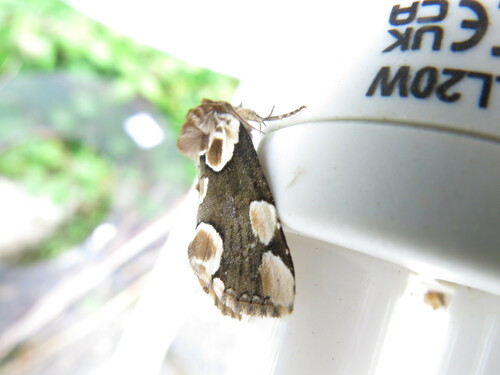
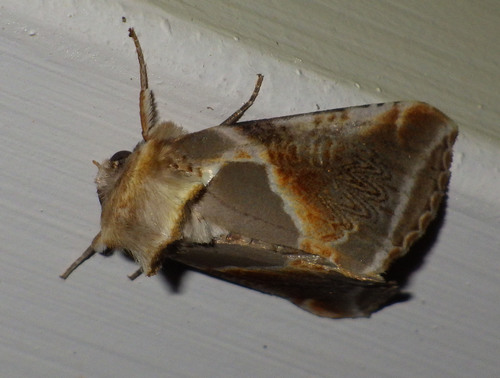
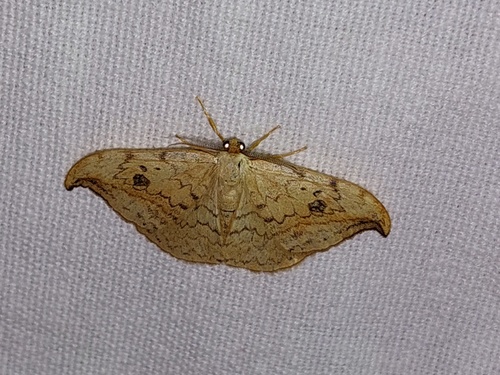
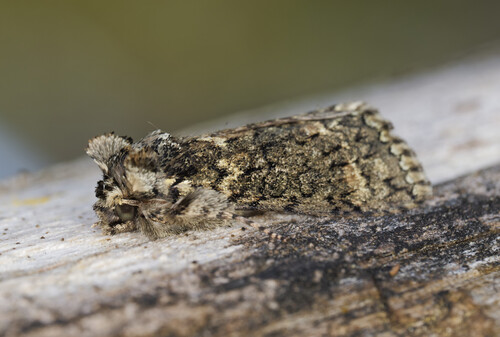
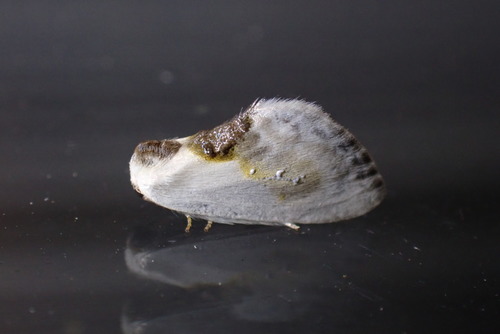
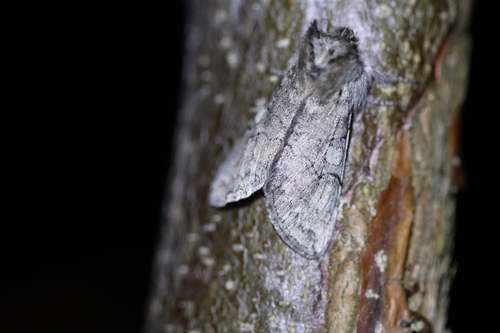
The wingspan is 35–38 mm. The forewings are light fuscous, white- sprinkled. The first line is whitish, limiting a broad darker central band including dark fuscous median and second lines, followed by a whitish dark-edged waved line. The subterminal is whitish, waved, preceded on the costa by an oblique dark fuscous dash. The hindwings are grey, with a pale postmedian line. The larva is yellow whitish; dorsal, fine subdorsal, and lateral lines fuscous; head reddish-ochreous, brown-marked.

The moth flies from June to August depending on the location. The larvae feed on birch and alder. Wikipedia →
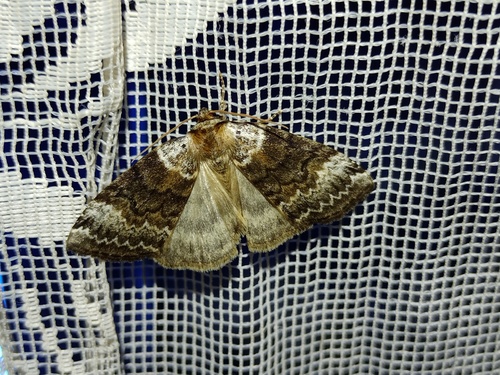
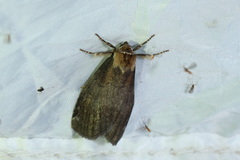
Global Distribution

Parks Where Found

# Park Country Daily sighting probability
1 Snowdonia National Park 🇬🇧 United Kingdom
~10%

More parks will be added in future updates.

Before you go

What are the chances of seeing a Satin Lutestring in Snowdonia National Park?

With luck

About 10% of wildlife watchers report a Satin Lutestring sighting in Snowdonia National Park on a given day, based on 11 verified sightings from GBIF citizen-science data from 2019 to 2026. It is the 202nd most-seen of the 387 insects we can rate there. Over three days the chance rises to about 30%, and over a week to about 50%, if each day is a fresh chance.

When is the best time to see a Satin Lutestring in Snowdonia National Park?

July

In that month about 20% of wildlife watchers report a Satin Lutestring in Snowdonia National Park on a given day, against under 5% in August to April, the lowest months.

What time of day is best to see a Satin Lutestring?

Between 6 and 9 am

Across all the parks we cover, that three-hour window holds the most Satin Lutestring sightings with a recorded time, and nearly all of them come between 6 am and 6 pm: it is a daytime animal.

Where else can you see a Satin Lutestring?

Only Snowdonia National Park, in our data

Snowdonia National Park is the only park on Wallace's Line with enough records to rate Satin Lutestring sightings: about 10% of wildlife watchers there report one on a given day.

Which relatives of the Satin Lutestring live in Snowdonia National Park?

Same family: Drepanidae

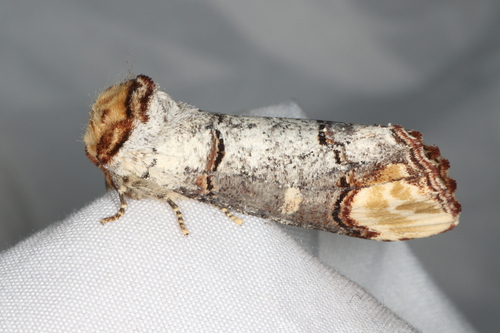
The closest relatives of the Satin Lutestring that you can see in Snowdonia National Park (family Drepanidae, Hooktip and False Owlet Moths) are Peach Blossom Moth (about 20%), Buff Arches (about 10%) and Pebble Hook-Tip (about 10%), with each one's daily chance of a sighting.

Where does the Satin Lutestring sighting chance come from?

GBIF citizen-science records

It is estimated from how often the Satin Lutestring is recorded against all the insects logged in Snowdonia National Park (11 verified sightings from 2019 to 2026), calibrated against known sighting rates. Figures are rounded to the nearest 10% because citizen-science data supports honest approximations, not decimals, and months with records from fewer than five people show "—". How it works.

← Back to Snowdonia National Park