Peach Blossom Moth

Peach Blossom Moth

Thyatira batis

Daily sighting probability ~20% · Possible
at Snowdonia National Park

In 3 days ~40% in a week ~70%

23 Verified sightings at Snowdonia National Park From 2019 to 2026
159 In all 5 parks
June Best month
☀️🌙 Day & Night When it's spotted

About the Peach Blossom Moth

The peach blossom (Thyatira batis) is a moth of the family Drepanidae. It was first described by Carl Linnaeus in his 1758 10th edition of Systema Naturae. It is found throughout Europe and east through the Palearctic to Japan and Mongolia. It is a fairly common species in the British Isles.

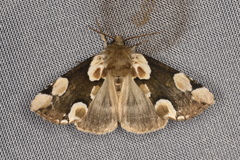
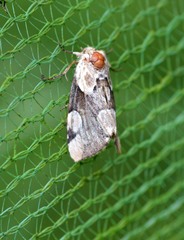
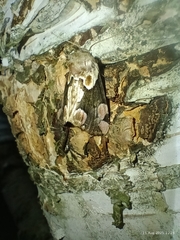
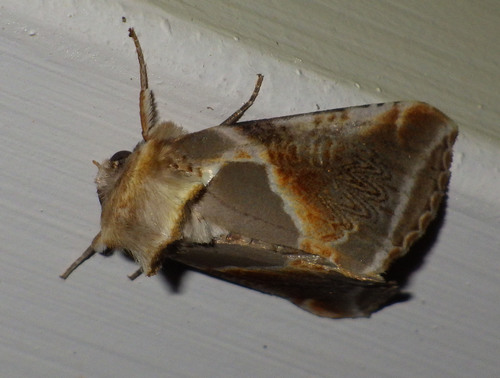
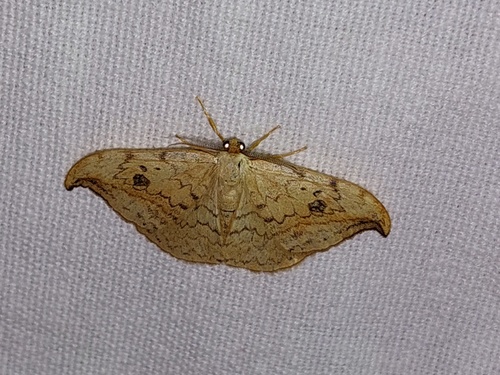
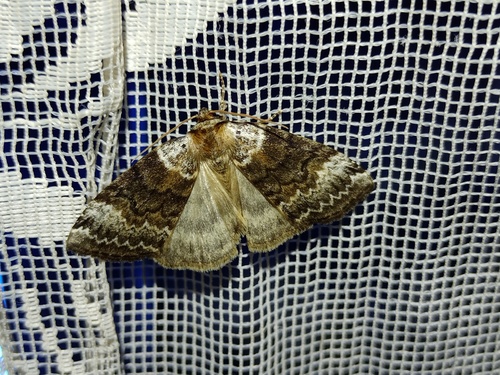
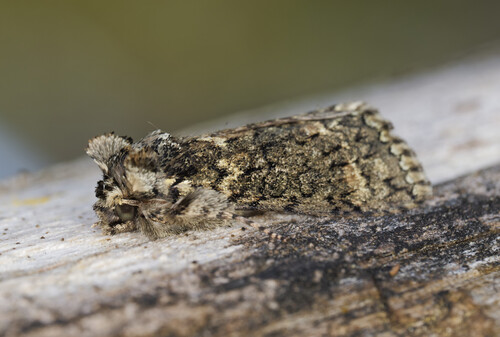
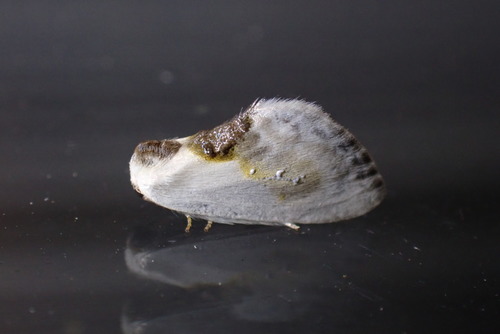
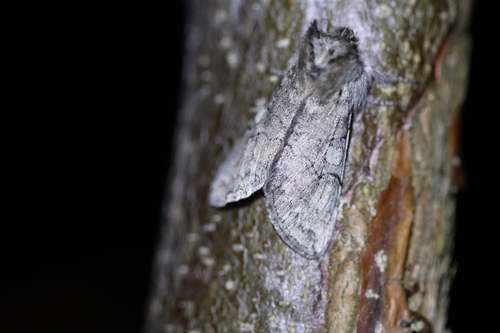
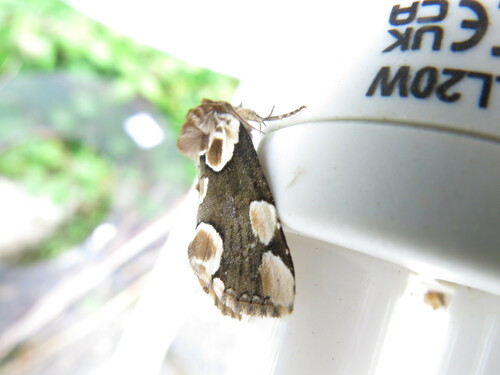
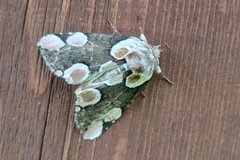
It is a striking species with brown forewings marked with five pink and white blotches which do rather resemble the petals of peach blossom. The hindwings are buff and grey. The wingspan is 40–45 mm. The species flies at night, in western Europe in June and July sometimes with a partial second brood emerges in late August and September. The species is attracted to light and sugar.

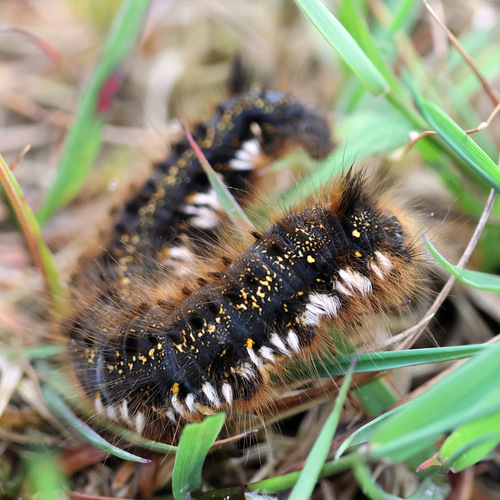
The larva is brown with white markings and several humps along its back. At rest it raises both ends as with many drepanids. It feeds on various Rubus species. The species overwinters as a pupa. ^The flight season refers to the British Isles. This may vary in other parts of the range.

Thyatira batis batis (Russia, Mongolia, Japan, Turkey, Iran, Caucasus, Algeria, Europe, China: Heilongjiang, Jilin, Inner Mongolia, Beijing, Hebei, Shaanxi, Gansu, Xinjiang) Thyatira batis formosicola Matsumura, 1933... Wikipedia →
Global Distribution

Parks Where Found

# Park Country Daily sighting probability
1 Snowdonia National Park 🇬🇧 United Kingdom
~20%
2 Cévennes National Park 🇫🇷 France
~10%
3 Bavarian Forest National Park 🇩🇪 Germany
~10%
4 Pyrénées National Park 🇫🇷 France
~10%
5 Wadden Sea National Park 🇩🇪 Germany
~10%

Cities Where Found

# City Country Daily sighting probability
1 Porto 🇵🇹 Portugal
~10%
2 Turin 🇮🇹 Italy
~10%
3 Liverpool 🇬🇧 United Kingdom
<5%
4 Birmingham 🇬🇧 United Kingdom
<5%
5 Paris 🇫🇷 France
<5%
6 Milan 🇮🇹 Italy
<5%
7 Seoul 🇰🇷 South Korea
<5%
8 Helsinki 🇫🇮 Finland
<5%
9 Berlin 🇩🇪 Germany
<5%
10 Vienna 🇦🇹 Austria
<5%

Before you go

What are the chances of seeing a Peach Blossom Moth in Snowdonia National Park?

Possible

About 20% of wildlife watchers report a Peach Blossom Moth sighting in Snowdonia National Park on a given day, based on 23 verified sightings from GBIF citizen-science data from 2019 to 2026. It is the 84th most-seen of the 387 insects we can rate there. Over three days the chance rises to about 40%, and over a week to about 70%, if each day is a fresh chance.

When is the best time to see a Peach Blossom Moth in Snowdonia National Park?

April to June

In those months about 20% of wildlife watchers report a Peach Blossom Moth in Snowdonia National Park on a given day, against under 5% in October to March, the lowest months.

What time of day is best to see a Peach Blossom Moth?

Between 10 pm and 1 am

Across all the parks we cover, that three-hour window holds the most Peach Blossom Moth sightings with a recorded time, and about 7 in 10 of them come between 6 pm and 6 am: it is seen both by day and at night.

Is Snowdonia National Park the best place to see a Peach Blossom Moth?

Yes

Of the 5 parks where we can rate Peach Blossom Moth sightings, Snowdonia National Park has the highest daily chance: about 20%. Next come Cévennes National Park (France, about 10%) and Bavarian Forest National Park (Germany, about 10%).

Which relatives of the Peach Blossom Moth live in Snowdonia National Park?

Same family: Drepanidae

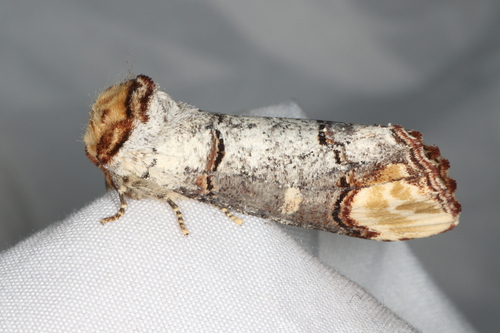
The closest relatives of the Peach Blossom Moth that you can see in Snowdonia National Park (family Drepanidae, Hooktip and False Owlet Moths) are Buff Arches (about 10%), Pebble Hook-Tip (about 10%) and Satin Lutestring (about 10%), with each one's daily chance of a sighting.

Where does the Peach Blossom Moth sighting chance come from?

GBIF citizen-science records

It is estimated from how often the Peach Blossom Moth is recorded against all the insects logged in Snowdonia National Park (23 verified sightings from 2019 to 2026), calibrated against known sighting rates. Figures are rounded to the nearest 10% because citizen-science data supports honest approximations, not decimals, and months with records from fewer than five people show "—". How it works.

← Back to Snowdonia National Park