Completed
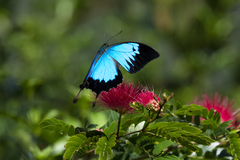
Richmond Birdwing
Ornithoptera richmondia
- KingdomAnimalia (Animals)
- PhylumArthropoda (Arthropods)
- ClassInsecta (Insects)
- OrderLepidoptera (Butterflies and Moths)
- FamilyPapilionidae (Swallowtails and Parnassians)
- GenusOrnithoptera (Birdwings)
- SpeciesOrnithoptera richmondia (Richmond Birdwing)
In 3 days ~40% in a week ~70%
33 Verified sightings at Springbrook National Park From 2019 to 2026
104 In all 2 parks
February Best month
☀️ Diurnal When it's spotted
About the Richmond Birdwing
Ornithoptera richmondia, the Richmond birdwing, is a species of birdwing butterfly that is endemic to Australia. It is the second smallest of the birdwing species, the smallest being Ornithoptera meridionalis. Historically, O. richmondia is recorded from rainforests southwards from Maryborough to the Clarence River in New South Wales. Due to widespread habitat loss throughout its range, its distribution is much more restricted, especially in Queensland. Its present-day range is from Kin Kin and Pomona, North Arm, Yandina, Coolum (although this population is now extinct due to drought), Parklands and Nambour, Diddillibah, Buderim, Eudlo, Palmwoods, the Mooloolah and Diamond Valleys, the entire Blackall Range southeast from Kenilworth to the state forest near the Caloundra Turnoff and west to Peachester and the Stanley River, and the Conondale Range southwards to Mount Mee.
South of Brisbane, the species is recorded along the Nerang River and the Tallebudgera valleys and has an important stronghold in the national parks adjacent to the Queensland-New South Wales border. In New South Wales, the species is widespread in rainforest southwards to the Blackwall Range near... Wikipedia →
Recent sightings of Richmond Birdwing in Springbrook National Park
LIVEiNaturalistGlobal Distribution
Parks Where Found
| # | Park | Country | Daily sighting probability |
|---|---|---|---|
| 1 | Lamington National Park | 🇦🇺 Australia | |
| 2 | Springbrook National Park | 🇦🇺 Australia |
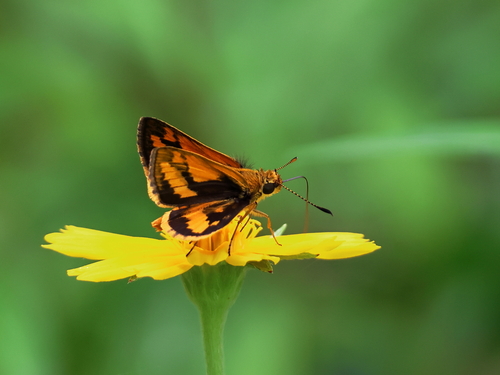
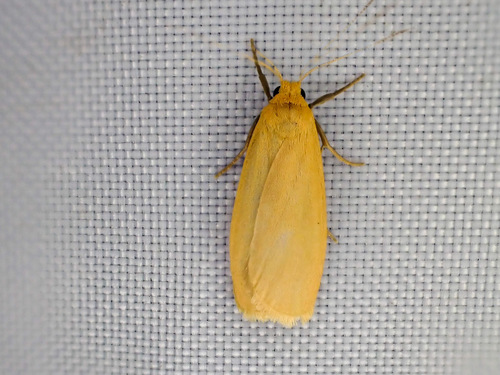
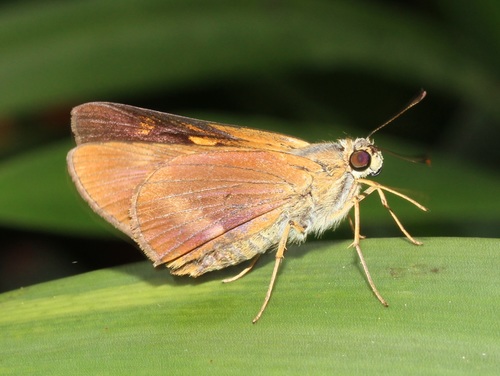
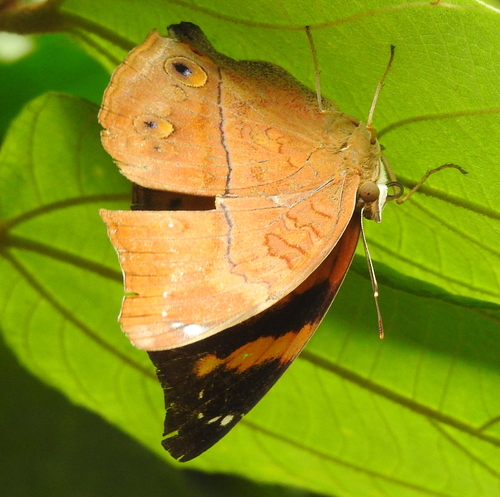
Closest Relatives at Springbrook National Park


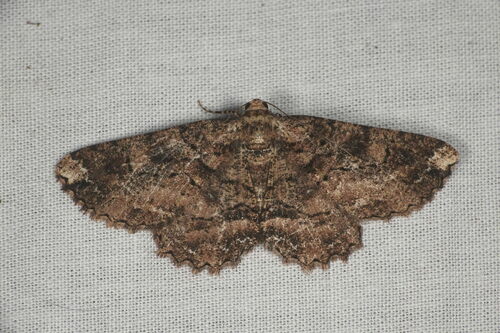
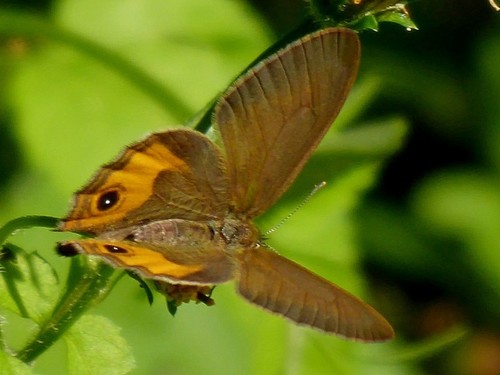

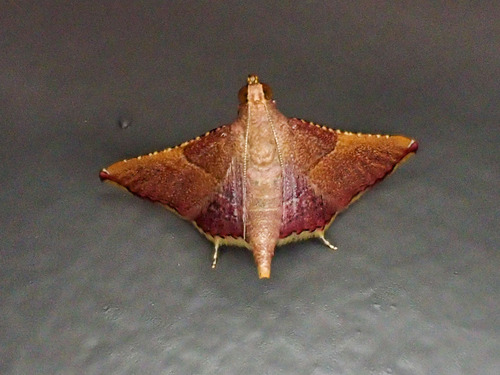
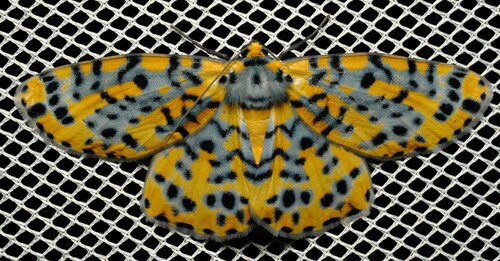
Before you go
What are the chances of seeing a Richmond Birdwing in Springbrook National Park?
Possible
About 20% of wildlife watchers report a Richmond Birdwing sighting in Springbrook National Park on a given day, based on 33 verified sightings from GBIF citizen-science data from 2019 to 2026. It is the 31st most-seen of the 429 insects we can rate there. Over three days the chance rises to about 40%, and over a week to about 70%, if each day is a fresh chance.
When is the best time to see a Richmond Birdwing in Springbrook National Park?
February and December
In those months about 30% of wildlife watchers report a Richmond Birdwing in Springbrook National Park on a given day, against under 5% in March and June–August, the lowest months. Those are among Springbrook National Park's wettest months, with about 170 mm of rain a month against 45 mm in August.
What time of day is best to see a Richmond Birdwing?
Between 10 am and 1 pm
Across all the parks we cover, that three-hour window holds the most Richmond Birdwing sightings with a recorded time, and nearly all of them come between 6 am and 6 pm: it is a daytime animal.
Is Springbrook National Park the best place to see a Richmond Birdwing?
2nd of 2
Of the 2 parks where we can rate Richmond Birdwing sightings, Springbrook National Park ranks 2nd at about 20%. The best odds are in Lamington National Park (Australia, about 30%).
Which relatives of the Richmond Birdwing live in Springbrook National Park?
Same family: Papilionidae
The closest relatives of the Richmond Birdwing that you can see in Springbrook National Park (family Papilionidae, Swallowtails and Parnassians) are Orchard Swallowtail (about 20%) and Macleay's Swallowtail (about 10%), with each one's daily chance of a sighting.
Where does the Richmond Birdwing sighting chance come from?
GBIF citizen-science records
It is estimated from how often the Richmond Birdwing is recorded against all the insects logged in Springbrook National Park (33 verified sightings from 2019 to 2026), calibrated against known sighting rates. Figures are rounded to the nearest 10% because citizen-science data supports honest approximations, not decimals, and months with records from fewer than five people show "—". How it works.
