Southern Queensland Glow Worm

Southern Queensland Glow Worm

Arachnocampa flava

Daily sighting probability ~10% · With luck
at Springbrook National Park

In 3 days ~30% in a week ~60%

20 Verified sightings at Springbrook National Park From 2019 to 2026
49 In all 2 parks
April Best month
🌙 Nocturnal When it's spotted

About the Southern Queensland Glow Worm

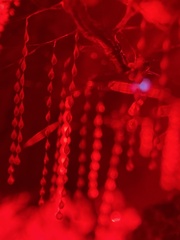
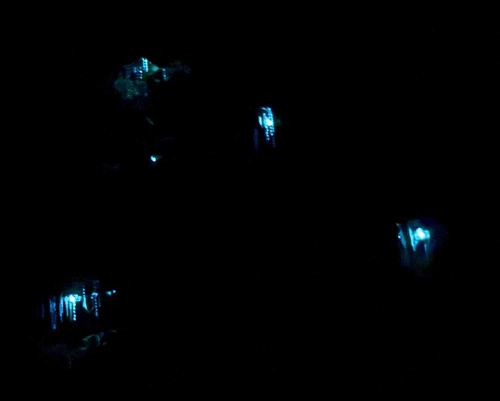
Arachnocampa is a genus of nine fungus gnat species which have a bioluminescent larval stage, akin to the larval stage of glowworm beetles. The species of Arachnocampa are endemic to Australia and New Zealand, dwelling in caves and grottos, or sheltered places in forests.

A previous placement was in the genus Bolitophila. This species and several related species were moved in 1924 to a new genus, Arachnocampa, meaning "spider web-worm," for the way the larvae hang sticky silk threads to ensnare prey. The genus Arachnocampa belongs in the family Keroplatidae.

Arachnocampa species have holometabolous metamorphosis with eggs, larvae, pupae, and adults. Individuals spend most of their lives as larvae. These flies live from about 6 through 12 months as larvae, depending on food availability. A larva is only about 3–5 mm long when it emerges from its egg, and can grow up to about 3 cm long.

The larva spins a nest out of silk on the ceiling of the cave and then hangs down as many as 70 threads of silk (called snares) from around the nest, each up to 30 or 40 cm long and holding droplets of mucus. The larvae can only live in a place out of the wind, to stop their lines... Wikipedia →
Global Distribution

Parks Where Found

# Park Country Daily sighting probability
1 Lamington National Park 🇦🇺 Australia
~20%
2 Springbrook National Park 🇦🇺 Australia
~10%

Before you go

What are the chances of seeing a Southern Queensland Glow Worm in Springbrook National Park?

With luck

About 10% of wildlife watchers report a Southern Queensland Glow Worm sighting in Springbrook National Park on a given day, based on 20 verified sightings from GBIF citizen-science data from 2019 to 2026. It is the 80th most-seen of the 429 insects we can rate there. Over three days the chance rises to about 30%, and over a week to about 60%, if each day is a fresh chance.

When is the best time to see a Southern Queensland Glow Worm in Springbrook National Park?

April

In that month about 30% of wildlife watchers report a Southern Queensland Glow Worm in Springbrook National Park on a given day, against under 5% in May, July–August, October and December, the lowest months.

What time of day is best to see a Southern Queensland Glow Worm?

Between 7 and 10 pm

Across all the parks we cover, that three-hour window holds the most Southern Queensland Glow Worm sightings with a recorded time, and about 8 in 10 of them come between 6 pm and 6 am: it is mostly seen at night.

Is Springbrook National Park the best place to see a Southern Queensland Glow Worm?

2nd of 2

Of the 2 parks where we can rate Southern Queensland Glow Worm sightings, Springbrook National Park ranks 2nd at about 10%. The best odds are in Lamington National Park (Australia, about 20%).

Which relatives of the Southern Queensland Glow Worm live in Springbrook National Park?

Same order: Diptera

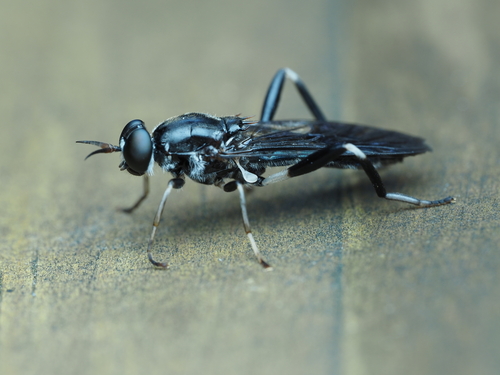
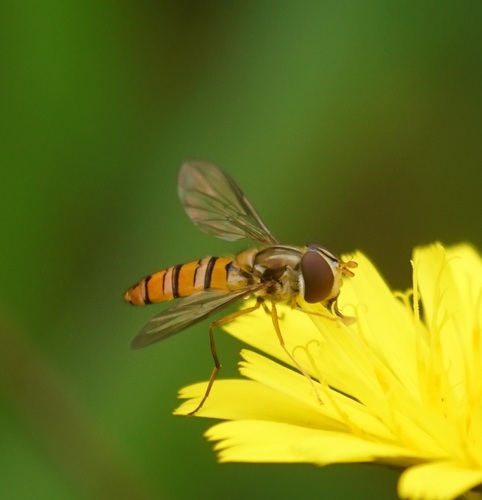
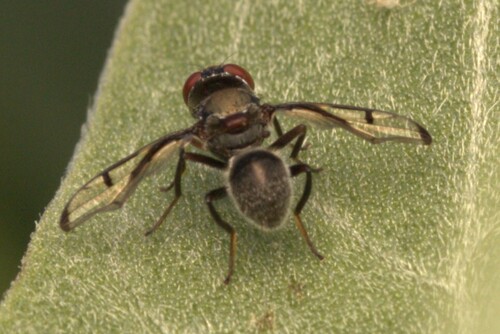
The closest relatives of the Southern Queensland Glow Worm that you can see in Springbrook National Park (order Diptera, Flies) are Garden Soldier Fly (about 10%), Black-Banded Hover Fly (about 10%) and Boatman Fly (about 10%), with each one's daily chance of a sighting.

Where does the Southern Queensland Glow Worm sighting chance come from?

GBIF citizen-science records

It is estimated from how often the Southern Queensland Glow Worm is recorded against all the insects logged in Springbrook National Park (20 verified sightings from 2019 to 2026), calibrated against known sighting rates. Figures are rounded to the nearest 10% because citizen-science data supports honest approximations, not decimals, and months with records from fewer than five people show "—". How it works.

← Back to Springbrook National Park