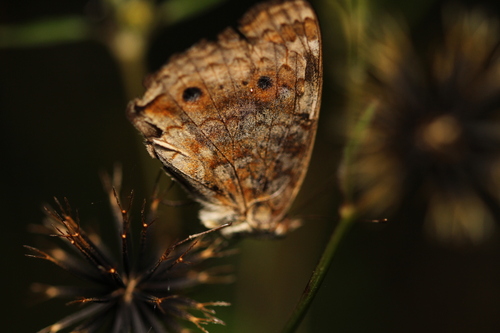
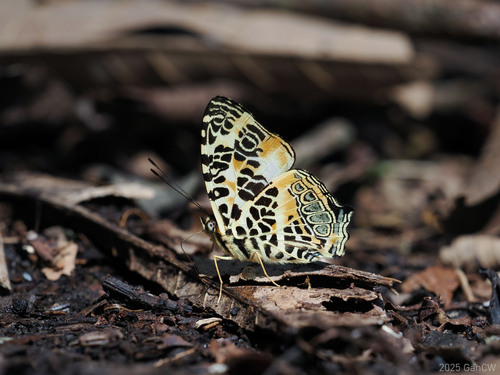
Common Beak
Daily sighting probability ~10% · With luck
at Taroko National Park

In 3 days ~20% in a week ~50%

8 Verified sightings at Taroko National Park From 2019 to 2026
8 In 1 park
March Best month
☀️ Diurnal When it's spotted

About the Common Beak

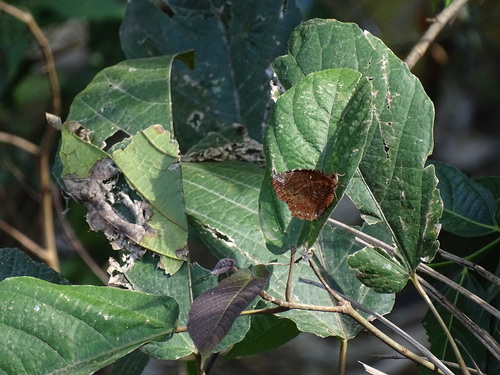
Libythea lepita, the common beak, is a butterfly that belongs to the Libytheinae group of the brush-footed butterflies family. It is found from southern India to Japan and its larval food plants include members of the Cannabaceae, particularly in the genera Celtis and Trema.

The species was earlier considered a race of Libythea celtis, the European beak. The following description is based on the older treatment and the race lepita and lepitoides described below refer to this species. Race lepita ranges from the Himalayas (Shimla and Sikkim to Assam) to Upper Myanmar, China and Japan. It differs from the European beak Libythea celtis as follows:

Upperside ground colour a slightly darker brown. Forewing: orange-yellow streak in cell much narrower for two-thirds of its length from base, then abruptly expanded anteriorly so as to fill the apex of the cell, the inner margin of the apical portion and the anterior margin of the basal portion forming a clearly defined right angle; lower discal spot absent, upper larger discal spot somewhat diamond shaped; subcostal spot and preapical spot placed obliquely outwards from it more distinctly double, the... Wikipedia →

Global Distribution

Parks Where Found

# Park Country Daily sighting probability
1 Taroko National Park 🇹🇼 Taiwan
~10%

More parks will be added in future updates.

Cities Where Found

# City Country Daily sighting probability
1 Nagoya 🇯🇵 Japan
~10%
2 Daejeon 🇰🇷 South Korea
~10%
3 Osaka 🇯🇵 Japan
~10%
4 Nanjing 🇨🇳 China
~10%
5 Taipei 🇹🇼 Taiwan
~10%
6 Seoul 🇰🇷 South Korea
~10%
7 Tokyo 🇯🇵 Japan
~10%

Before you go

What are the chances of seeing a Common Beak in Taroko National Park?

With luck

About 10% of wildlife watchers report a Common Beak sighting in Taroko National Park on a given day, based on 8 verified sightings from GBIF citizen-science data from 2019 to 2026. It is the 240th most-seen of the 447 insects we can rate there. Over three days the chance rises to about 20%, and over a week to about 50%, if each day is a fresh chance.

When is the best time to see a Common Beak in Taroko National Park?

March and June

In those months about 20% of wildlife watchers report a Common Beak in Taroko National Park on a given day, against under 5% in April and September–February, the lowest months.

What time of day is best to see a Common Beak?

Between 9 am and noon

Across all the parks we cover, that three-hour window holds the most Common Beak sightings with a recorded time, and nearly all of them come between 6 am and 6 pm: it is a daytime animal.

Where else can you see a Common Beak?

Only Taroko National Park, in our data

Taroko National Park is the only park on Wallace's Line with enough records to rate Common Beak sightings: about 10% of wildlife watchers there report one on a given day.

Which relatives of the Common Beak live in Taroko National Park?

Same family: Nymphalidae

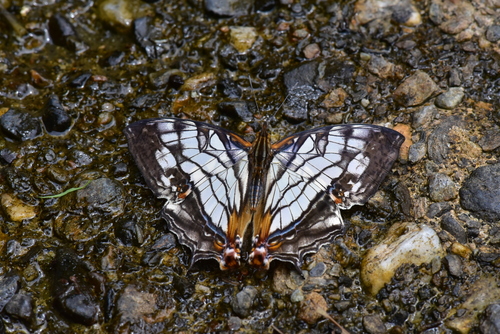
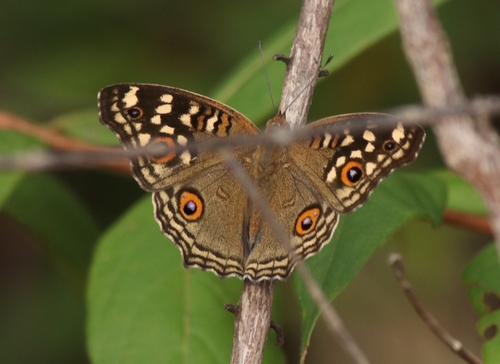
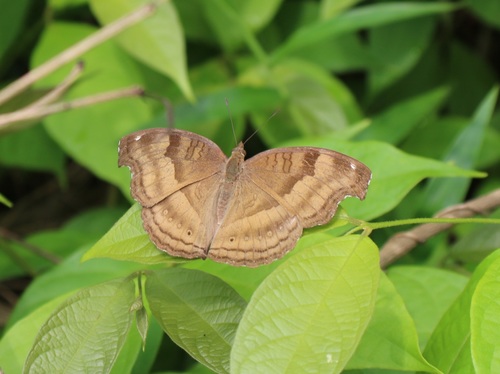
The closest relatives of the Common Beak that you can see in Taroko National Park (family Nymphalidae, Brush-footed Butterflies) are Yellow Emperor (about 40%), Common Palmfly (about 30%) and Common Mapwing (about 30%), with each one's daily chance of a sighting.

Where does the Common Beak sighting chance come from?

GBIF citizen-science records

It is estimated from how often the Common Beak is recorded against all the insects logged in Taroko National Park (8 verified sightings from 2019 to 2026), calibrated against known sighting rates. Figures are rounded to the nearest 10% because citizen-science data supports honest approximations, not decimals, and months with records from fewer than five people show "—". How it works.

← Back to Taroko National Park