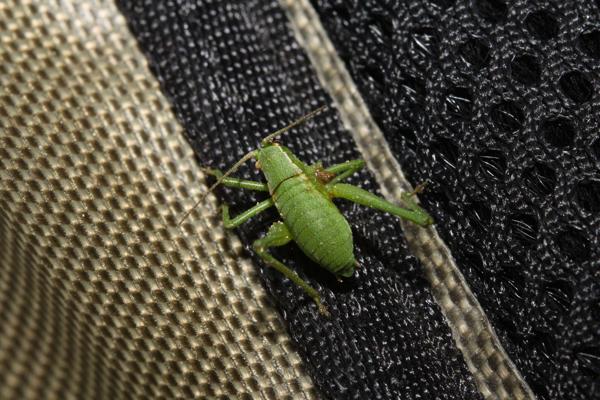
Lesser Marsh Grasshopper

Lesser Marsh Grasshopper

Chorthippus albomarginatus

Daily sighting probability ~20% · Possible
at Tatra National Park

In 3 days ~40% in a week ~70%

13 Verified sightings at Tatra National Park From 2019 to 2026
82 In all 3 parks
August Best month
☀️ Diurnal When it's spotted

About the Lesser Marsh Grasshopper

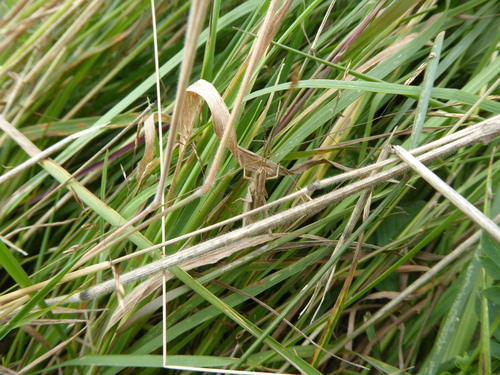
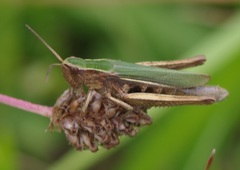
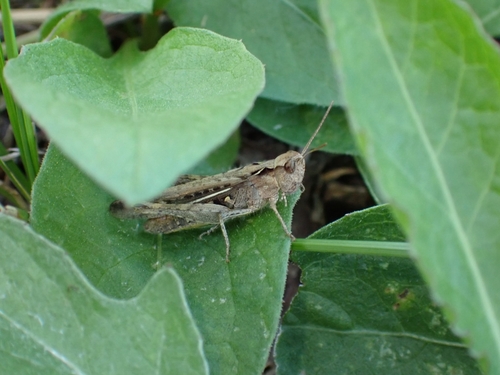
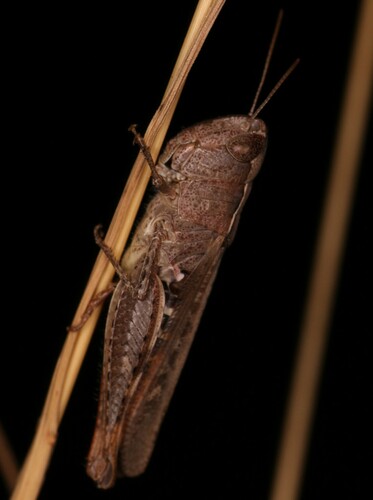
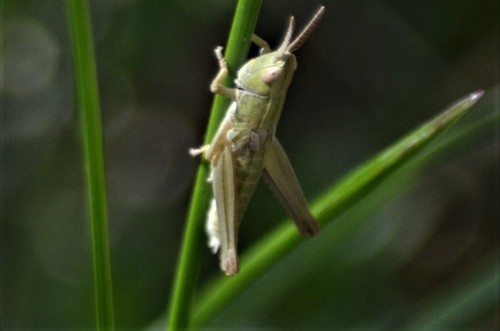
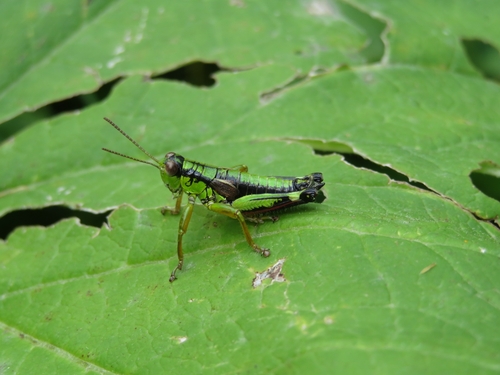
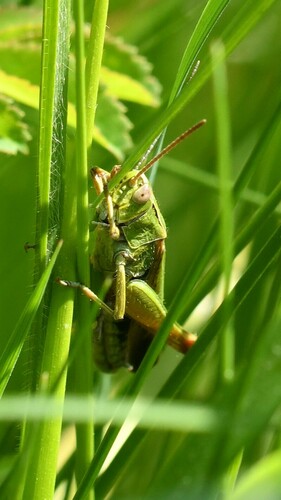
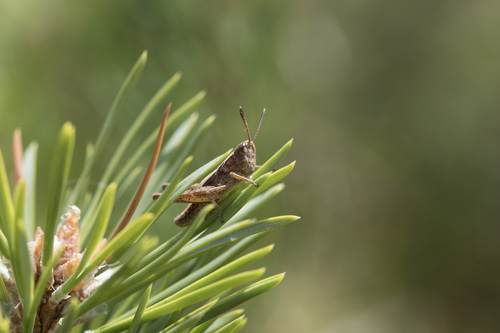
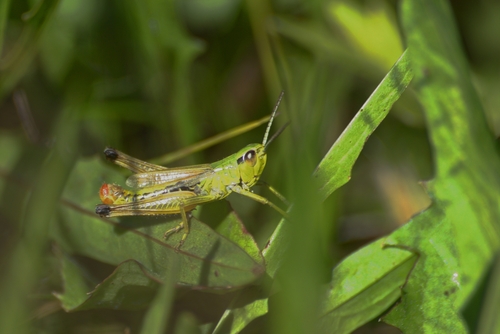
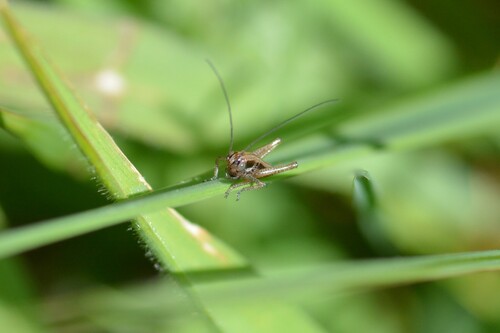
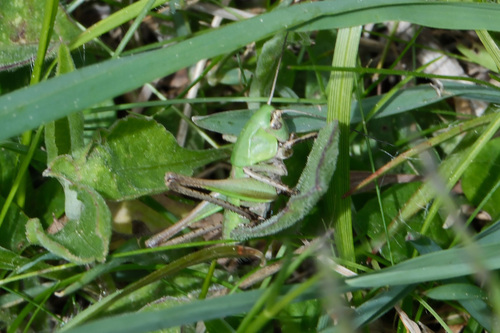
Chorthippus albomarginatus, the lesser marsh grasshopper, is a common grasshopper of European grassland both damp-marshy and (despite its name) dry, including salt-marsh and coastal habitats. The range of the lesser marsh grasshopper extends from Finland and southern Scandinavia in the north to Spain and Italy in the south. It was once present only in the southern parts of the UK but has been expanding its range northwards.

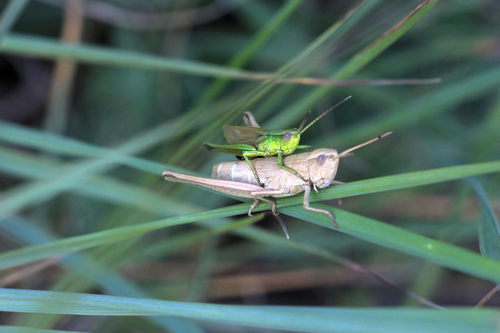
Females grow to approximately 20 millimetres (0.8 in) and are larger than males which grow to approximately 15 mm (0.6 in). The female almost always has a longitudinal white stripe on the wing whereas the male rarely does.

The region behind the head is referred to as the "pronotal side-keels" and the bars are approximately parallel in this species. Although quite similar, it can be distinguished from the meadow grasshopper Chorthippus parallelus, which also has straight pronotal side-keels, by several characteristics. These include its ability to fly, a white stripe on the female's wing, and a more pointed snout. It often tends to be less brightly coloured and more straw-brown than Chorthippus parallelus.

Both sexes can... Wikipedia →

Global Distribution

Parks Where Found

# Park Country Daily sighting probability
1 Tatra National Park 🇸🇰 Slovakia
~20%
2 Białowieża National Park 🇵🇱 Poland
~10%
3 Wadden Sea National Park 🇩🇪 Germany
~10%

Cities Where Found

# City Country Daily sighting probability
1 Birmingham 🇬🇧 United Kingdom
~10%
2 Hamburg 🇩🇪 Germany
~10%
3 London 🇬🇧 United Kingdom
~10%
4 Warsaw 🇵🇱 Poland
<5%
5 Rotterdam [The Hague] 🇳🇱 Netherlands
<5%
6 Leeds 🇬🇧 United Kingdom
<5%
7 Copenhagen 🇩🇰 Denmark
<5%
8 Prague 🇨🇿 Czechia
<5%

Before you go

What are the chances of seeing a Lesser Marsh Grasshopper in Tatra National Park?

Possible

About 20% of wildlife watchers report a Lesser Marsh Grasshopper sighting in Tatra National Park on a given day, based on 13 verified sightings from GBIF citizen-science data from 2019 to 2026. It is the 44th most-seen of the 142 insects we can rate there. Over three days the chance rises to about 40%, and over a week to about 70%, if each day is a fresh chance.

When is the best time to see a Lesser Marsh Grasshopper in Tatra National Park?

August

In that month about 40% of wildlife watchers report a Lesser Marsh Grasshopper in Tatra National Park on a given day, against under 5% in September to June, the lowest months.

What time of day is best to see a Lesser Marsh Grasshopper?

Between noon and 3 pm

Across all the parks we cover, that three-hour window holds the most Lesser Marsh Grasshopper sightings with a recorded time, and about 9 in 10 of them come between 6 am and 6 pm: it is a daytime animal.

Is Tatra National Park the best place to see a Lesser Marsh Grasshopper?

Yes

Of the 3 parks where we can rate Lesser Marsh Grasshopper sightings, Tatra National Park has the highest daily chance: about 20%. Next come Białowieża National Park (Poland, about 10%) and Wadden Sea National Park (Germany, about 10%).

Which relatives of the Lesser Marsh Grasshopper live in Tatra National Park?

Same genus: Chorthippus

The closest relatives of the Lesser Marsh Grasshopper that you can see in Tatra National Park (genus Chorthippus, Eurasian Field Grasshoppers) are Locomotive Grasshopper (about 10%), Bow-Winged Grasshopper (about 10%) and Heath Grasshopper (about 10%), with each one's daily chance of a sighting.

Where does the Lesser Marsh Grasshopper sighting chance come from?

GBIF citizen-science records

It is estimated from how often the Lesser Marsh Grasshopper is recorded against all the insects logged in Tatra National Park (13 verified sightings from 2019 to 2026), calibrated against known sighting rates. Figures are rounded to the nearest 10% because citizen-science data supports honest approximations, not decimals, and months with records from fewer than five people show "—". How it works.

← Back to Tatra National Park