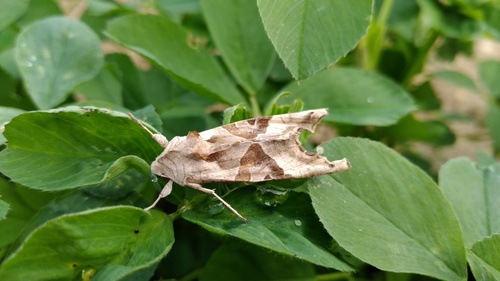
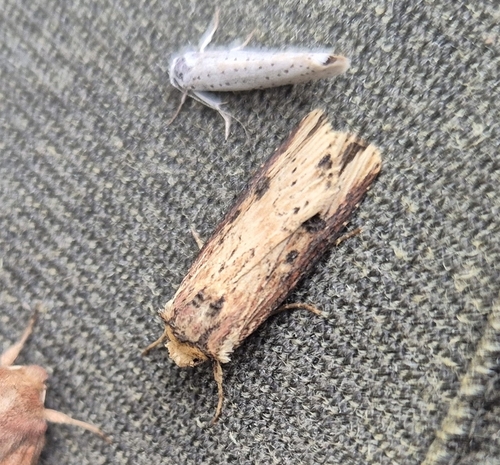
Mere Wainscot

Mere Wainscot

Photedes fluxa

Daily sighting probability ~10% · With luck
at Wadden Sea National Park

In 3 days ~20% in a week ~40%

33 Verified sightings at Wadden Sea National Park From 2019 to 2026
33 In 1 park
July Best month
☀️🌙 Day & Night When it's spotted

About the Mere Wainscot

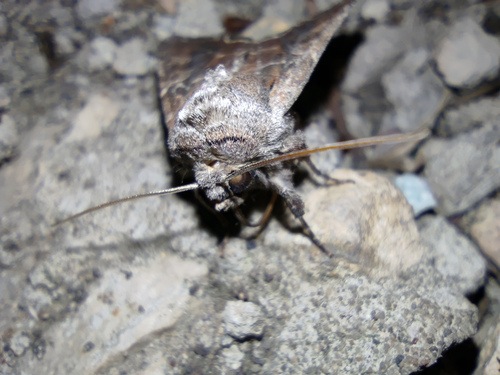
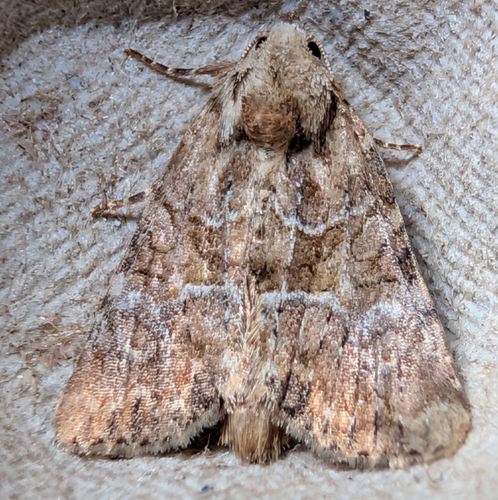
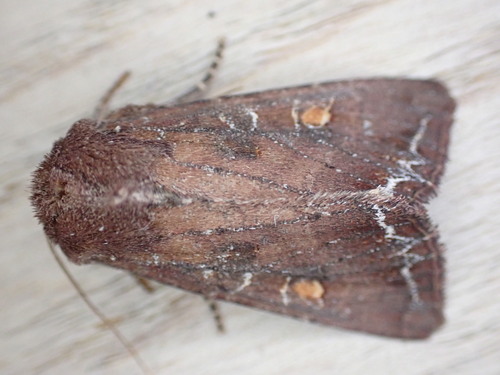
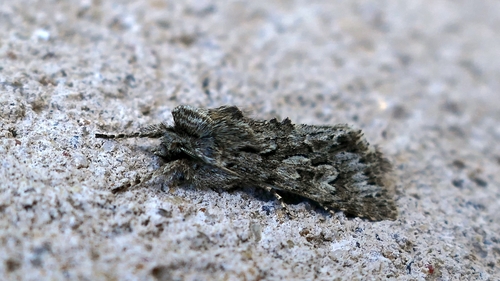
Chortodes fluxa, the mere wainscot, is a moth of the family Noctuidae. The species was first described by Jacob Hübner in 1809. It is found in Europe and east across the Palearctic to Siberia, Mongolia, and northern China. Also in northern Turkey and the Caucasus.

A. fluxa Hbn. (= junci Bsd., helmanni Guen. nec Ev., extrema H. Schaff. nec Hbn., saturata Stgr., expressata Krul.) (49 f). Forewing rufous, dusted with grey whitish; the rufous tint clearer along the two folds; the costa and veins dotted grey and ochreous; orbicular and reniform of the ground colour with pale outlines, the orbicular round or elliptical, the lower lobe of reniform dark; outer line indicated by a curved row of dark pale-tipped spots on veins; hindwing pale greyish luteous; the form hellmanni Ev., by which name the insect has hitherto been known, is sandy ochreous, dusted with darker, with very little or no red tinge; ab. pulverosa ab. nov. (49 f), has the grey dusting very strong, the dots of outer line obsolete, and the veins dark. Larva bone colour, dorsally tinged with red, whiter below; the spiracles black; head glossy, yellowish brown; thoracic and anal plates paler. The wingspan is 26 to 30 millimetres (1.0 to 1.2 in). The moth flies from July to August depending on the location.

The larvae feed low down in the stems of Calamagrostis epigejos in marshy districts; pupating in a slight cocoon in the ground. Wikipedia →
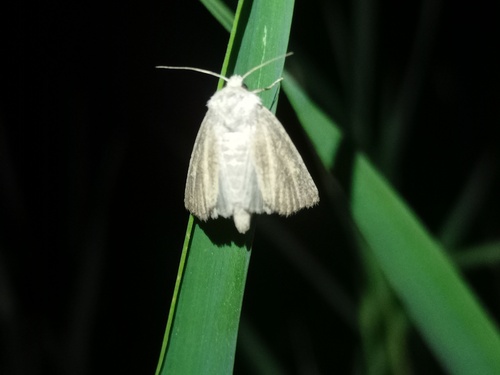
Global Distribution

Parks Where Found

# Park Country Daily sighting probability
1 Wadden Sea National Park 🇩🇪 Germany
~10%

More parks will be added in future updates.

Cities Where Found

# City Country Daily sighting probability
1 Saint Petersburg 🇷🇺 Russia
<5%
2 Moscow 🇷🇺 Russia
<5%

Before you go

What are the chances of seeing a Mere Wainscot in Wadden Sea National Park?

With luck

About 10% of wildlife watchers report a Mere Wainscot sighting in Wadden Sea National Park on a given day, based on 33 verified sightings from GBIF citizen-science data from 2019 to 2026. It is the 234th most-seen of the 818 insects we can rate there. Over three days the chance rises to about 20%, and over a week to about 40%, if each day is a fresh chance.

When is the best time to see a Mere Wainscot in Wadden Sea National Park?

July and August

In those months about 10% of wildlife watchers report a Mere Wainscot in Wadden Sea National Park on a given day, against under 5% in September to June, the lowest months.

What time of day is best to see a Mere Wainscot?

Between 11 pm and 2 am

Across all the parks we cover, that three-hour window holds the most Mere Wainscot sightings with a recorded time, and about 7 in 10 of them come between 6 pm and 6 am: it is seen both by day and at night.

Where else can you see a Mere Wainscot?

Only Wadden Sea National Park, in our data

Wadden Sea National Park is the only park on Wallace's Line with enough records to rate Mere Wainscot sightings: about 10% of wildlife watchers there report one on a given day.

Which relatives of the Mere Wainscot live in Wadden Sea National Park?

Same family: Noctuidae

The closest relatives of the Mere Wainscot that you can see in Wadden Sea National Park (family Noctuidae, Cutworm Moths and Allies) are Large Yellow Underwing (about 20%), Silver Υ (about 20%) and Flame Shoulder Moth (about 10%), with each one's daily chance of a sighting.

Where does the Mere Wainscot sighting chance come from?

GBIF citizen-science records

It is estimated from how often the Mere Wainscot is recorded against all the insects logged in Wadden Sea National Park (33 verified sightings from 2019 to 2026), calibrated against known sighting rates. Figures are rounded to the nearest 10% because citizen-science data supports honest approximations, not decimals, and months with records from fewer than five people show "—". How it works.

← Back to Wadden Sea National Park