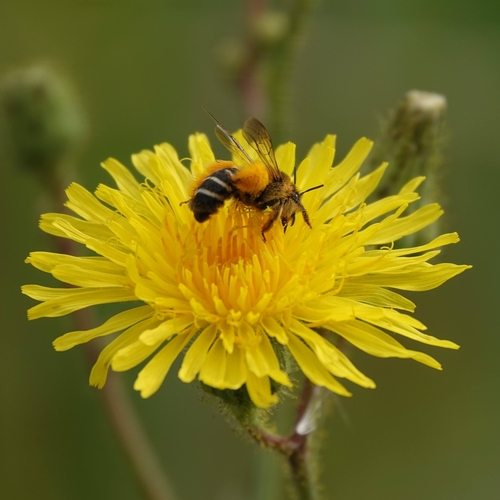
Moss Carder Bee
Daily sighting probability ~10% · With luck
at Wadden Sea National Park

In 3 days ~30% in a week ~50%

63 Verified sightings at Wadden Sea National Park From 2019 to 2026
63 In 1 park
September Best month
☀️ Diurnal When it's spotted

About the Moss Carder Bee

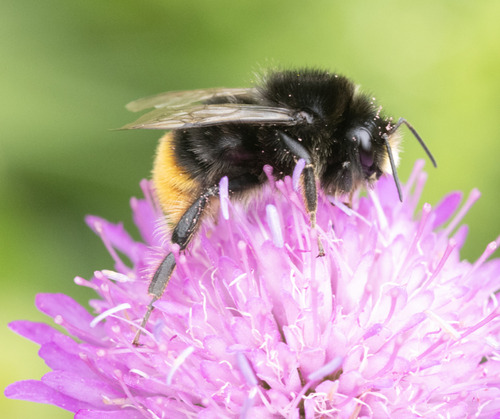
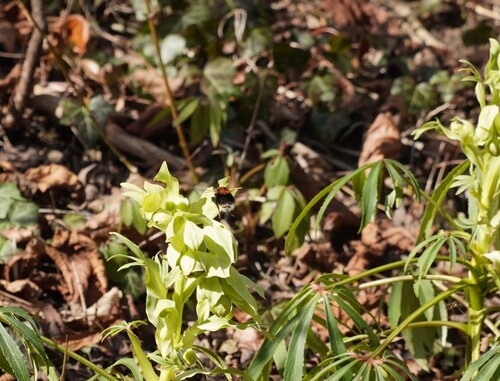
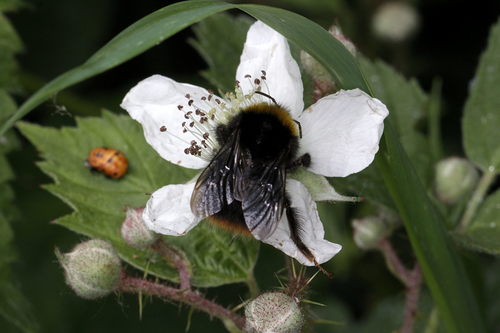
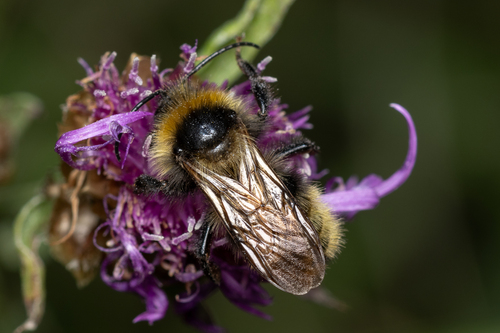
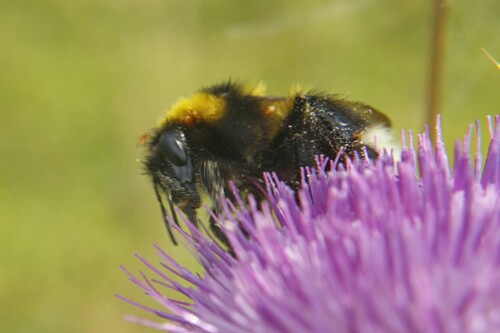
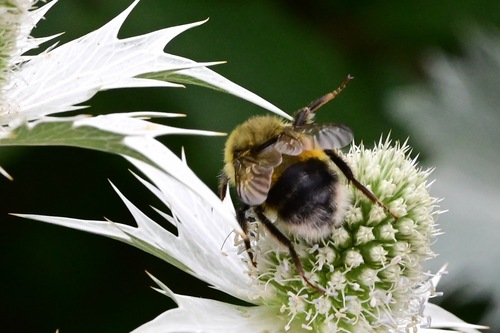
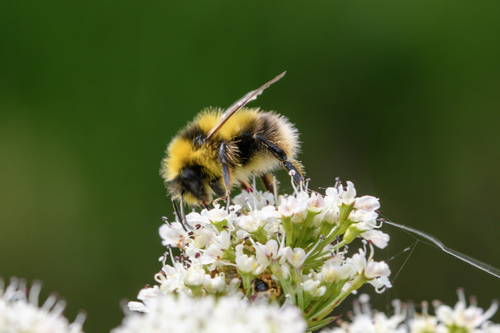
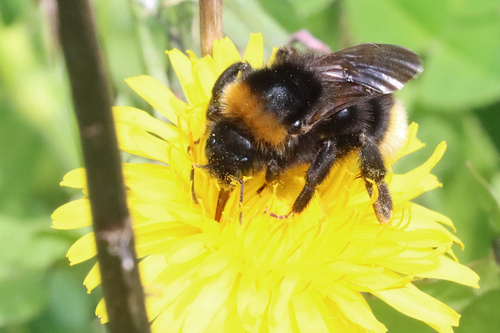
Bombus muscorum, commonly known as the large carder bee or moss carder bee, is a species of bumblebee in the family Apidae. The species is found throughout Eurasia in fragmented populations, but is most commonly found in the British Isles. B. muscorum is a eusocial insect. The queen is monandrous, mating with only one male after leaving a mature nest to found its own. Males mate territorially and the species is susceptible to inbreeding and bottlenecks. The species builds its nests on or just under the ground in open grassland and forages very close to the nest. In recent years, populations have significantly declined due to loss of natural habitat. B. muscorum is currently listed as vulnerable in Europe by the European Red List of Bees.

B. muscorum was one of the many insect species originally described in 1758 by Carl Linnaeus in the 10th edition of Systema Naturae. It was given the binomial name Apis muscorum. The species name muscorum is the genitive plural of the Latin mūscus, meaning moss.

B. muscorum is part of the order Hymenoptera, the third largest order of insects, which includes bees, wasps, ants, and sawflies. It is part of the subfamily Apinae, which contains... Wikipedia →
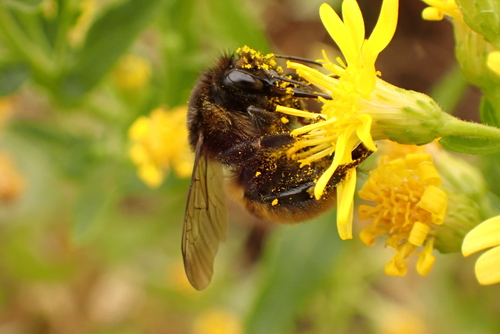

Global Distribution

Parks Where Found

# Park Country Daily sighting probability
1 Wadden Sea National Park 🇩🇪 Germany
~10%

More parks will be added in future updates.

Before you go

What are the chances of seeing a Moss Carder Bee in Wadden Sea National Park?

With luck

About 10% of wildlife watchers report a Moss Carder Bee sighting in Wadden Sea National Park on a given day, based on 63 verified sightings from GBIF citizen-science data from 2019 to 2026. It is the 76th most-seen of the 818 insects we can rate there. Over three days the chance rises to about 30%, and over a week to about 50%, if each day is a fresh chance.

When is the best time to see a Moss Carder Bee in Wadden Sea National Park?

September

In that month about 20% of wildlife watchers report a Moss Carder Bee in Wadden Sea National Park on a given day, against under 5% in October to March, the lowest months.

What time of day is best to see a Moss Carder Bee?

Between noon and 3 pm

Across all the parks we cover, that three-hour window holds the most Moss Carder Bee sightings with a recorded time, and about 9 in 10 of them come between 6 am and 6 pm: it is a daytime animal.

Where else can you see a Moss Carder Bee?

Only Wadden Sea National Park, in our data

Wadden Sea National Park is the only park on Wallace's Line with enough records to rate Moss Carder Bee sightings: about 10% of wildlife watchers there report one on a given day.

Which relatives of the Moss Carder Bee live in Wadden Sea National Park?

Same genus: Bombus

The closest relatives of the Moss Carder Bee that you can see in Wadden Sea National Park (genus Bombus, Bumble Bees) are Common Carder Bumble Bee (about 10%), Red-Tailed Bumble Bee (about 10%) and Tree Bumble Bee (about 10%), with each one's daily chance of a sighting.

Where does the Moss Carder Bee sighting chance come from?

GBIF citizen-science records

It is estimated from how often the Moss Carder Bee is recorded against all the insects logged in Wadden Sea National Park (63 verified sightings from 2019 to 2026), calibrated against known sighting rates. Figures are rounded to the nearest 10% because citizen-science data supports honest approximations, not decimals, and months with records from fewer than five people show "—". How it works.

← Back to Wadden Sea National Park