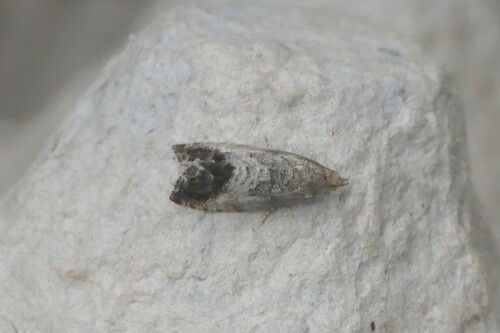
Sallow Button

Sallow Button

Acleris hastiana

Daily sighting probability <5% · Rare
at Wadden Sea National Park

In 3 days ~10% in a week ~30%

15 Verified sightings at Wadden Sea National Park From 2019 to 2026
15 In 1 park
July Best month
☀️🌙 Day & Night When it's spotted

About the Sallow Button

Acleris hastiana is a moth of the family Tortricidae. It is found in Europe, northern Iran, Kazakhstan, Ala Tau, central Siberia, Irkutsk, the Amur region and China. In North America it is found from the north-eastern United States across southern Canada to British Columbia and south along the Pacific Coast to California.

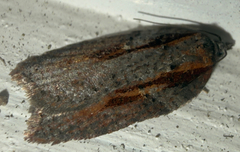
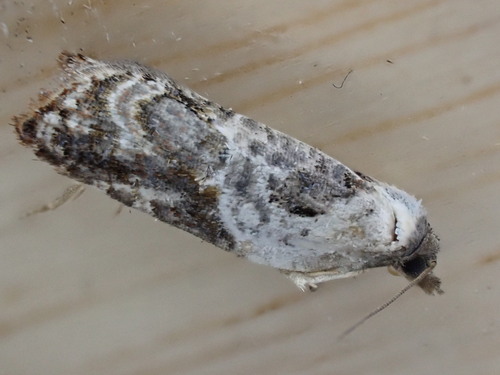
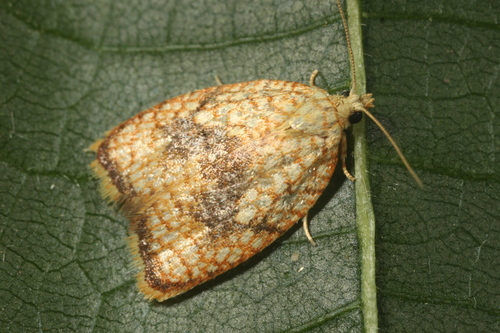
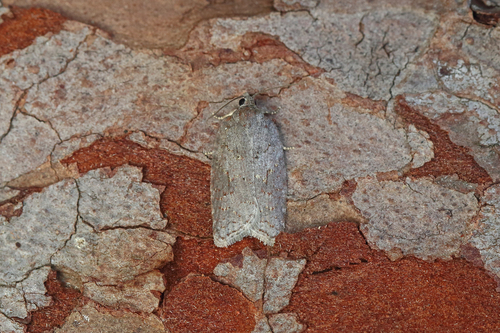
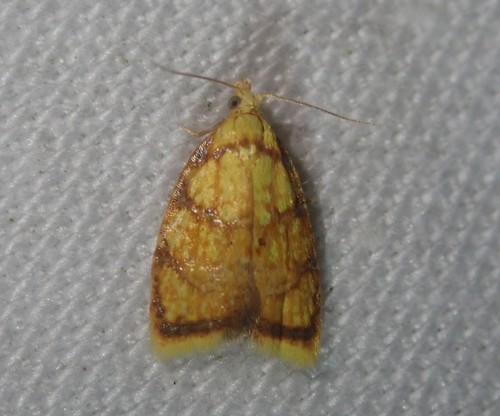
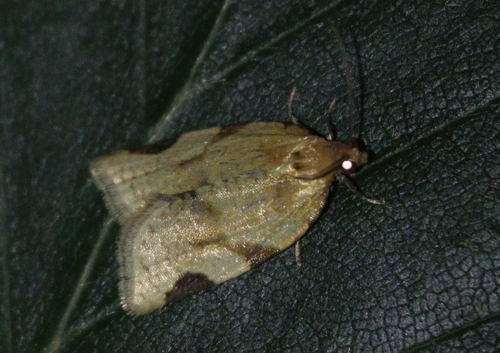
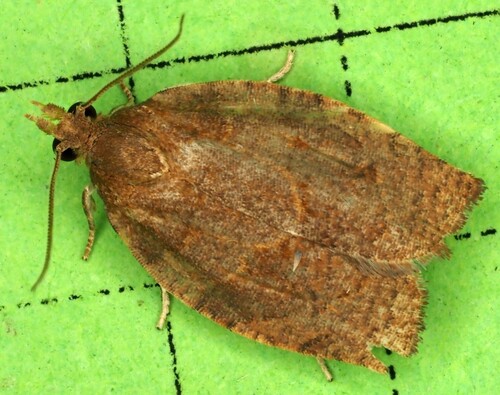
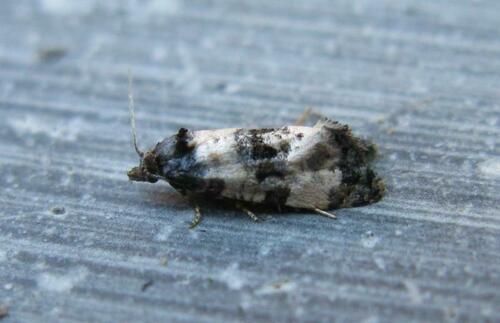
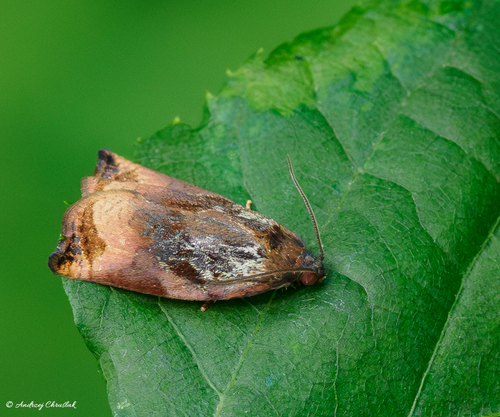
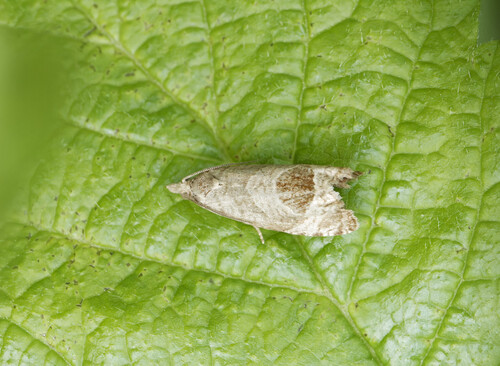
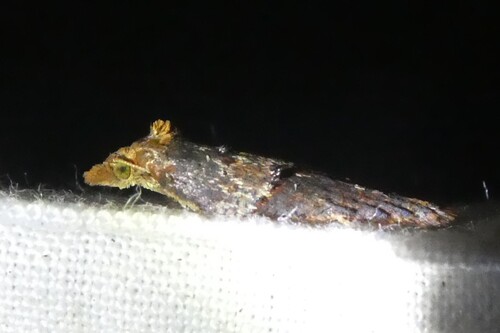
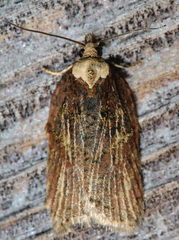
The wingspan is about 20 mm.Thorax with strong longitudinal crest. Forewings oblong, grey, ochreous-brown, or dark purplish-fuscous; tufts slight; veins sometimes pale, seldom broadly whitish-ochreous; edge of basal patch sometimes dark marked; central fascia and costal patch confluent, darker or red-brown, often obsolete; sometimes a white subcostal streak edged beneath with blackish, or an ochreous and ferruginous median longitudinal streak, or dorsum broadly whitish- ochreous. Hindwings light grey, somewhat darker-strigulated. Larva pale green; head and plate of 2 often brownish-tinged, sometimes black.

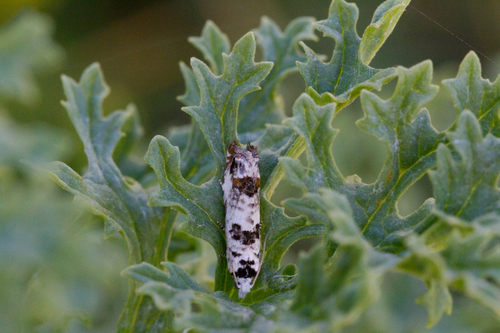
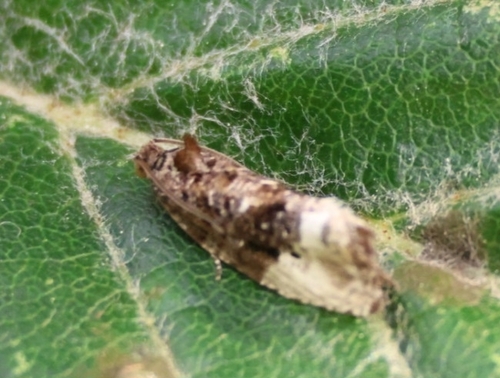
It is a very variable species, with dozens of named forms, and many intermediate types, which has led to its description by over 125 synonyms. Some forms closely resemble Acleris cristana so certain identification requires microscopic examination of the genitalia.

Adults are on the wing from June to July and again in August. There are two generations in much of its range. The larvae feed on Salix species in Europe. First instar larvae bore into buds. Later instars feed in spun leaves. Other recorded food plants include Vaccinium, Andromeda, Ceanothus, Gaylussacia, Quercus and Rhododendron.

The species epithet hastiana was given by Carl Linnaeus in honor of his student, the Finnish physician Barthold Rudolf Hast, who studied natural sciences under Linnaeus at Uppsala University. Wikipedia →
Global Distribution

Parks Where Found

# Park Country Daily sighting probability
1 Wadden Sea National Park 🇩🇪 Germany
<5%

More parks will be added in future updates.

Before you go

What are the chances of seeing a Sallow Button in Wadden Sea National Park?

Rare

Under 5% of wildlife watchers report a Sallow Button sighting in Wadden Sea National Park on a given day, based on 15 verified sightings from GBIF citizen-science data from 2019 to 2026. It is the 422nd most-seen of the 818 insects we can rate there. Over three days the chance rises to about 10%, and over a week to about 30%, if each day is a fresh chance.

When is the best time to see a Sallow Button in Wadden Sea National Park?

July

In that month about 10% of wildlife watchers report a Sallow Button in Wadden Sea National Park on a given day, against under 5% in August to June, the lowest months.

What time of day is best to see a Sallow Button?

Between 10 pm and 1 am

Across all the parks we cover, that three-hour window holds the most Sallow Button sightings with a recorded time, and about 7 in 10 of them come between 6 pm and 6 am: it is seen both by day and at night.

Where else can you see a Sallow Button?

Only Wadden Sea National Park, in our data

Wadden Sea National Park is the only park on Wallace's Line with enough records to rate Sallow Button sightings: under 5% of wildlife watchers there report one on a given day.

Which relatives of the Sallow Button live in Wadden Sea National Park?

Same genus: Acleris

The closest relatives of the Sallow Button that you can see in Wadden Sea National Park (genus Acleris) are Garden Rose Tortrix (about 10%) and Maple Leaftier Moth (about 10%), with each one's daily chance of a sighting.

Where does the Sallow Button sighting chance come from?

GBIF citizen-science records

It is estimated from how often the Sallow Button is recorded against all the insects logged in Wadden Sea National Park (15 verified sightings from 2019 to 2026), calibrated against known sighting rates. Figures are rounded to the nearest 10% because citizen-science data supports honest approximations, not decimals, and months with records from fewer than five people show "—". How it works.

← Back to Wadden Sea National Park