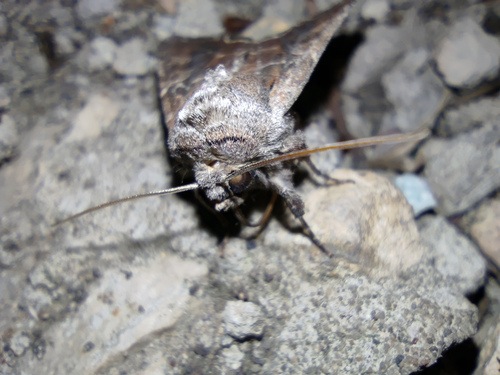
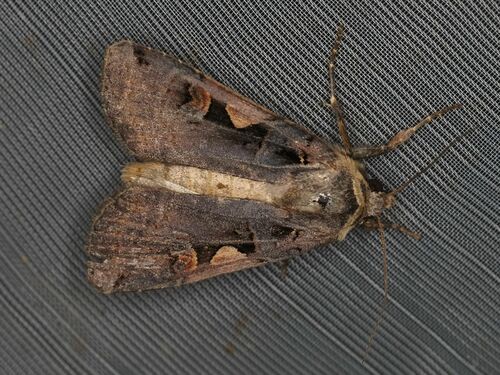
Sand Dart

Sand Dart

Agrotis ripae

Daily sighting probability <5% · Rare
at Wadden Sea National Park

In 3 days ~10% in a week ~30%

15 Verified sightings at Wadden Sea National Park From 2019 to 2026
15 In 1 park
June Best month
🌅 Crepuscular When it's spotted

About the Sand Dart

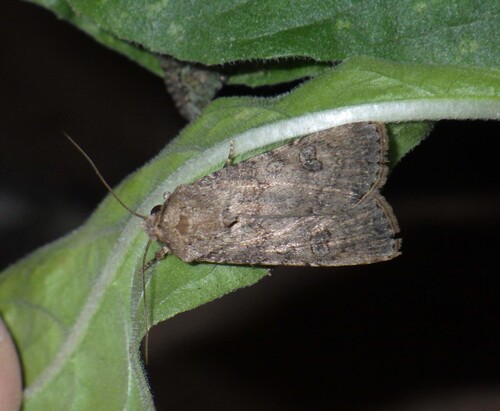
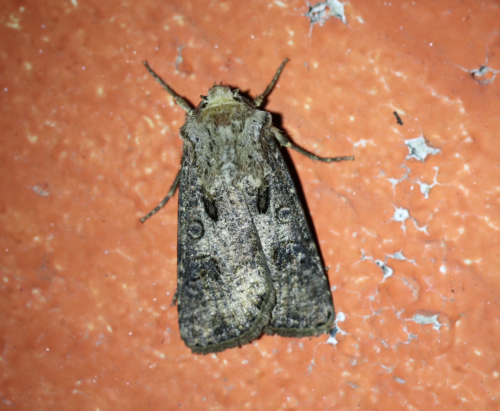
Agrotis ripae, the sand dart, is a moth of the family Noctuidae. The species was first described by Jacob Hübner in 1823. It is found in western Europe and North Africa and extends east across the Palearctic to steppe areas in Russia, Mongolia and Siberia.

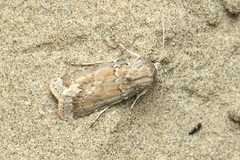
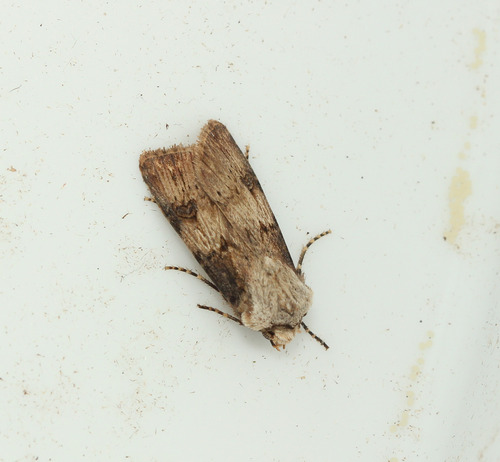
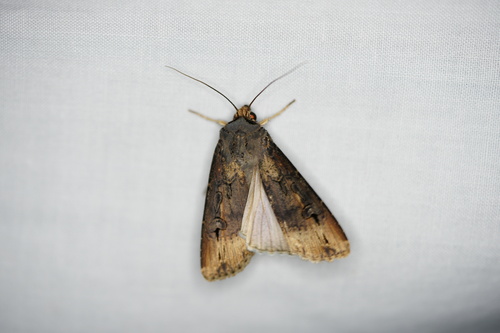
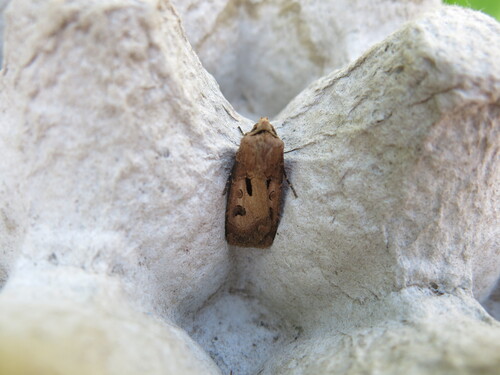
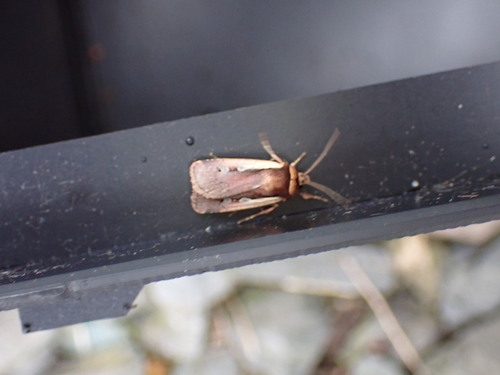
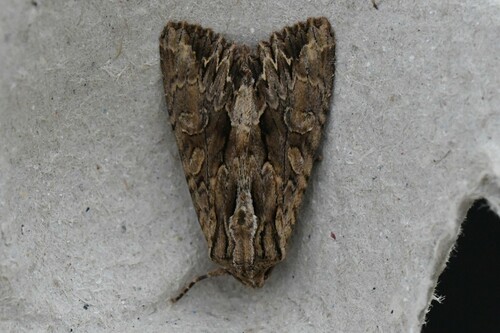
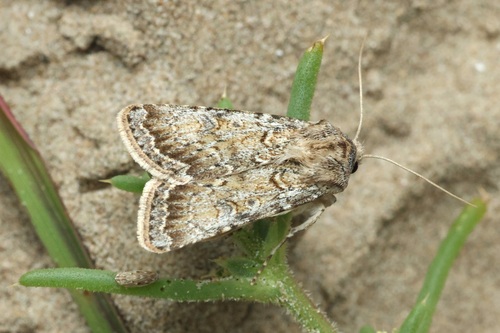
The wingspan is 32–42 mm. Forewing rufous brown or rufous grey, mixed with white; a costal streak and the veins whitish; stigmata outlined with brown, the reniform with the centre dark; marginal area often paler; hindwing in male white, in female with the veins and margin grey.

It is a seacoast species or survives in wastes once washed by the sea; occurring in Britain, France, Germany, Denmark, Sweden and Russia; in Mongolia and Siberia, and in Egypt. It is a remarkably variable species of which the chief forms are ab. nebulosa Stph. a pale grey form, with the costa, base, and outer margin fuscous; desertorum Bsd.[now a full species] from southern Russia, Siberia and Egypt is grey with the lines and stigmata dark and distinct. In brunnea Tutt the ground colour is deep reddish ochreous with lines and stigmata fuscous; — grisea Tutt is dark slaty grey with the markings obscured; a row of small whitish subterminal dots... Wikipedia →
Global Distribution

Parks Where Found

# Park Country Daily sighting probability
1 Wadden Sea National Park 🇩🇪 Germany
<5%

More parks will be added in future updates.

Before you go

What are the chances of seeing a Sand Dart in Wadden Sea National Park?

Rare

Under 5% of wildlife watchers report a Sand Dart sighting in Wadden Sea National Park on a given day, based on 15 verified sightings from GBIF citizen-science data from 2019 to 2026. It is the 361st most-seen of the 818 insects we can rate there. Over three days the chance rises to about 10%, and over a week to about 30%, if each day is a fresh chance.

When is the best time to see a Sand Dart in Wadden Sea National Park?

June and July

In those months about 10% of wildlife watchers report a Sand Dart in Wadden Sea National Park on a given day, against under 5% in August to May, the lowest months.

What time of day is best to see a Sand Dart?

Between 4 and 7 pm

Across all the parks we cover, that three-hour window holds the most Sand Dart sightings with a recorded time, and about 6 in 10 of them come between 6 pm and 6 am: it is most active around dawn and dusk.

Where else can you see a Sand Dart?

Only Wadden Sea National Park, in our data

Wadden Sea National Park is the only park on Wallace's Line with enough records to rate Sand Dart sightings: under 5% of wildlife watchers there report one on a given day.

Which relatives of the Sand Dart live in Wadden Sea National Park?

Same genus: Agrotis

The closest relatives of the Sand Dart that you can see in Wadden Sea National Park (genus Agrotis) are Shuttle-Shaped Dart (about 10%), Ipsilon Dart Moth (about 10%) and Archer's Dart (about 10%), with each one's daily chance of a sighting.

Where does the Sand Dart sighting chance come from?

GBIF citizen-science records

It is estimated from how often the Sand Dart is recorded against all the insects logged in Wadden Sea National Park (15 verified sightings from 2019 to 2026), calibrated against known sighting rates. Figures are rounded to the nearest 10% because citizen-science data supports honest approximations, not decimals, and months with records from fewer than five people show "—". How it works.

← Back to Wadden Sea National Park