Wormwood Pug

Wormwood Pug

Eupithecia absinthiata

Daily sighting probability <5% · Rare
at Wadden Sea National Park

In 3 days ~10% in a week ~20%

5 Verified sightings at Wadden Sea National Park From 2019 to 2026
5 In 1 park
August Best month
☀️ Diurnal When it's spotted

About the Wormwood Pug

The wormwood pug (Eupithecia absinthiata) is a moth of the family Geometridae. The species was first described by Carl Alexander Clerck in 1759. It is a common species across the Palearctic region as well as North America.

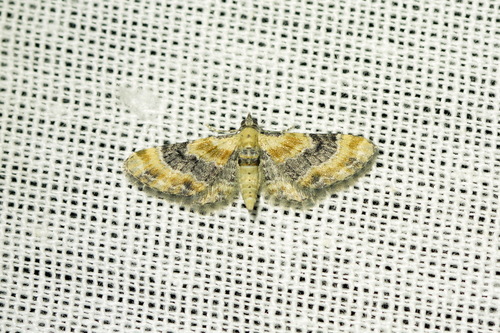
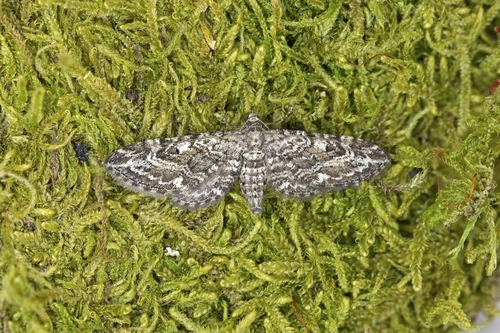
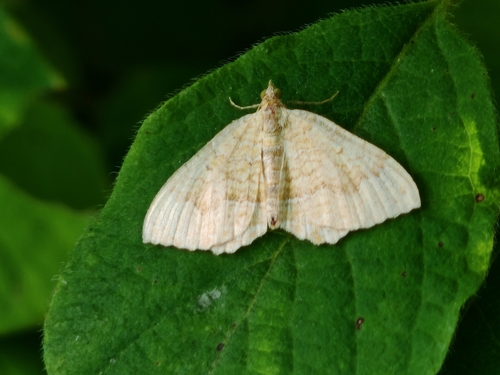
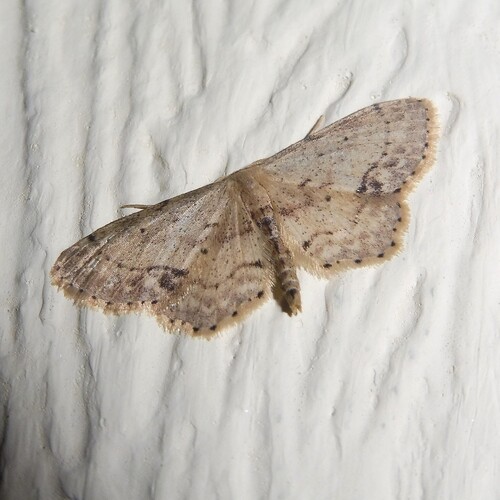
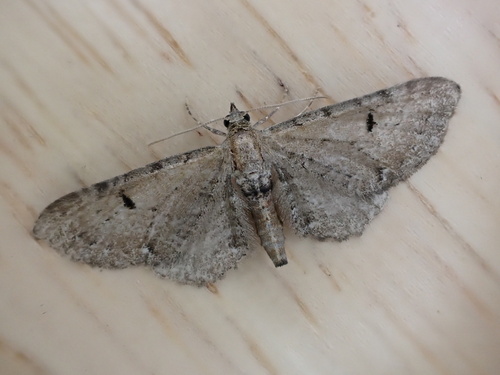
The wingspan is 21–23 mm and the forewings are warm brown with two black spots along the costa with a black discal spot completing a distinctive triangle. There is a pale narrow line near the fringe with a distinct whitish spot near the tornus, although this is not as prominent as in the rather similar currant pug. The hindwings are greyish brown.ab. obscura Dietze (Kassimov, Central Russia) is much darker, the forewing described as sepia-coloured.

Adult larvae are smooth and elongated. They adapt to the basic colour of the respective food plant and are accordingly greenish, cream-colored or brownish colored and usually show a reddish-brown diamond-like pattern on the back. Sometimes light green, almost unmarked specimens also appear.

The yellow-brown pupa is provided with greenish wing sheaths. At the cremaster there are eight hook bristles, the middle pair of which is strongly formed. Eupithecia absinthiata requires examination of a genital preparation for certain identification.

The species flies at night in June and July and is attracted to light. As the name suggests, the larva feeds on the flowers of mugwort (which is sometimes called "common wormwood"), but it will also feed on the flowers of a range of other plants (see list below). The species overwinters as a pupa. Wikipedia →
Global Distribution

Parks Where Found

# Park Country Daily sighting probability
1 Wadden Sea National Park 🇩🇪 Germany
<5%

More parks will be added in future updates.

Cities Where Found

# City Country Daily sighting probability
1 Liverpool 🇬🇧 United Kingdom
<5%
2 London 🇬🇧 United Kingdom
<5%

Before you go

What are the chances of seeing a Wormwood Pug in Wadden Sea National Park?

Rare

Under 5% of wildlife watchers report a Wormwood Pug sighting in Wadden Sea National Park on a given day, based on 5 verified sightings from GBIF citizen-science data from 2019 to 2026. It is the 699th most-seen of the 818 insects we can rate there. Over three days the chance rises to about 10%, and over a week to about 20%, if each day is a fresh chance.

When is the best time to see a Wormwood Pug in Wadden Sea National Park?

August

In that month about 10% of wildlife watchers report a Wormwood Pug in Wadden Sea National Park on a given day, against under 5% in September to July, the lowest months.

What time of day is best to see a Wormwood Pug?

Between 5 and 8 am

Across all the parks we cover, that three-hour window holds the most Wormwood Pug sightings with a recorded time, and nearly all of them come between 6 am and 6 pm: it is a daytime animal.

Where else can you see a Wormwood Pug?

Only Wadden Sea National Park, in our data

Wadden Sea National Park is the only park on Wallace's Line with enough records to rate Wormwood Pug sightings: under 5% of wildlife watchers there report one on a given day.

Which relatives of the Wormwood Pug live in Wadden Sea National Park?

Same genus: Eupithecia

The closest relatives of the Wormwood Pug that you can see in Wadden Sea National Park (genus Eupithecia, Pug Moths) are Lime-Speck Pug (about 10%) and Toadflax Pug (about 10%), with each one's daily chance of a sighting.

Where does the Wormwood Pug sighting chance come from?

GBIF citizen-science records

It is estimated from how often the Wormwood Pug is recorded against all the insects logged in Wadden Sea National Park (5 verified sightings from 2019 to 2026), calibrated against known sighting rates. Figures are rounded to the nearest 10% because citizen-science data supports honest approximations, not decimals, and months with records from fewer than five people show "—". How it works.

← Back to Wadden Sea National Park