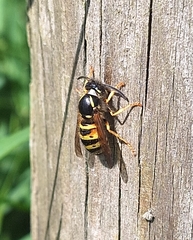
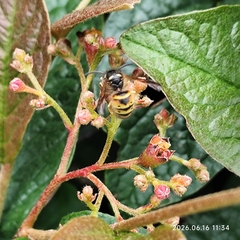
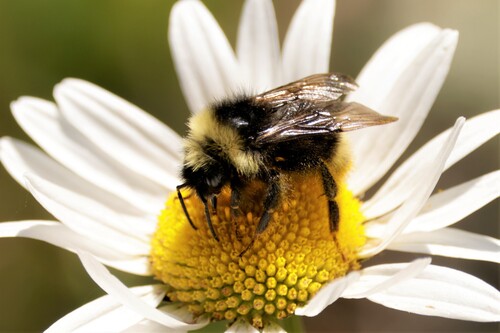
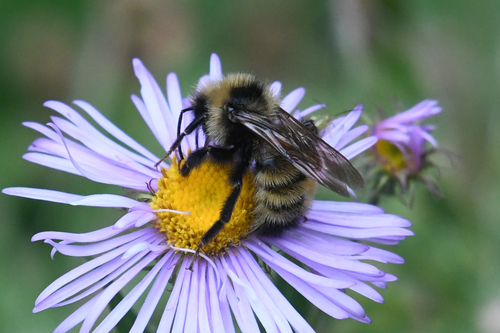
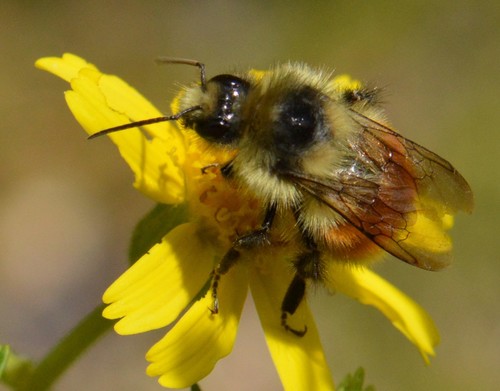
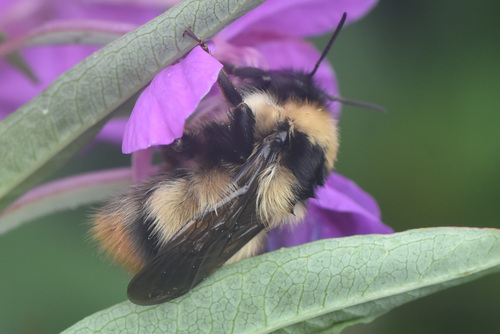
Norwegian Wasp
Daily sighting probability ~20% · Possible
at Wrangell-St. Elias National Park

In 3 days ~50% in a week ~80%

5 Verified sightings at Wrangell-St. Elias National Park From 2019 to 2026
12 In all 2 parks
May Best month
☀️ Diurnal When it's spotted

About the Norwegian Wasp

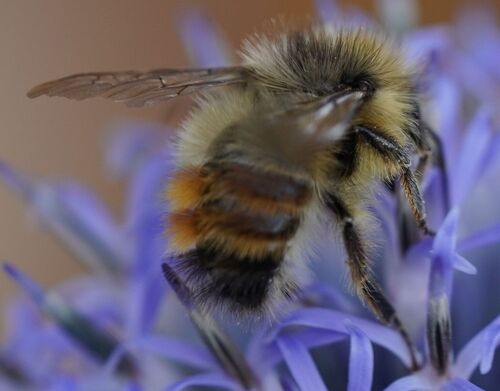
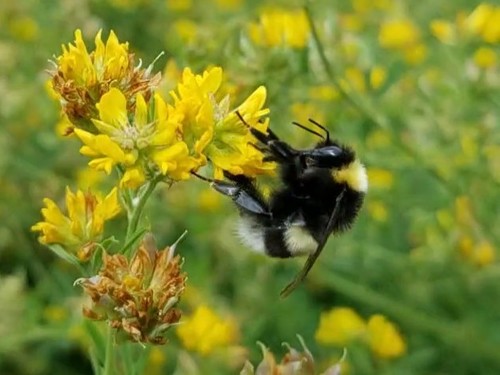
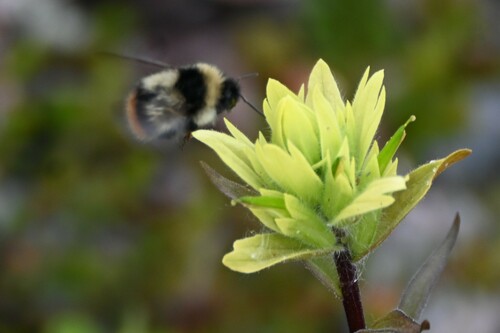
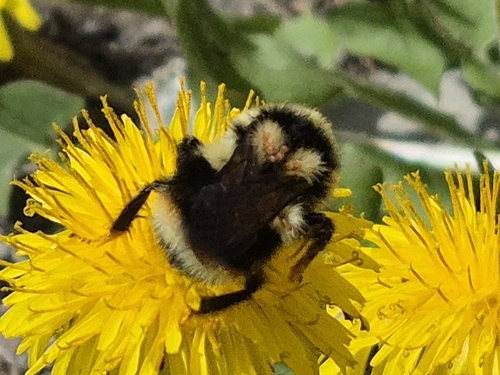
The Norwegian wasp (Dolichovespula norwegica) is a species of eusocial wasp. It is common in Scandinavia and can also be found in Scotland and other areas in Britain and Ireland. Often known for being a tree wasp, it nests in low branches and bushes and feeds on insects. It also obtains nectar from blueberry and snowberry flowers. Although D. norwegica is rarely considered a pest in the past, a few cases of pest problems relating to them have been reported. The species is not endangered.

D. norwegica is placed in the family Vespidae and the genus Dolichovespula. Based on recent studies on mitochondrial genes, Dolichovespula and Vespula are monophyletic, meaning they descended from common ancestors. Two species groups, maculata and norwegica, form the Dolichovespula clade. While the maculata has physical attributes such as pronotal striae, emarginated apices of the seventh metasomal sternum in males, and aedeagal medial lobes, D. norwegica females have long oculomalar space and lateroanterior clypeal angles with less prominent semicircular projections.

In the past, D. norwegica and D. albida, the Arctic yellowjacket from northern North America, were considered... Wikipedia →
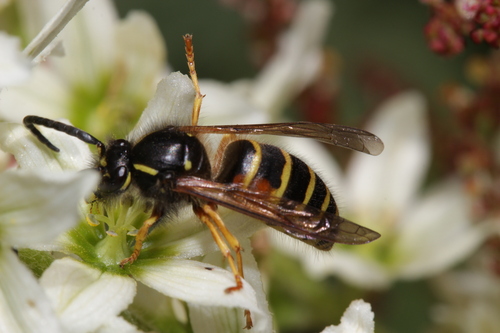
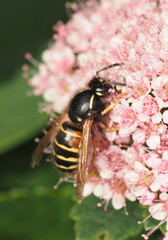
Global Distribution

Parks Where Found

# Park Country Daily sighting probability
1 Wrangell-St. Elias National Park 🇺🇸 United States
~20%
2 Denali National Park 🇺🇸 United States
~10%

Before you go

What are the chances of seeing a Norwegian Wasp in Wrangell-St. Elias National Park?

Possible

About 20% of wildlife watchers report a Norwegian Wasp sighting in Wrangell-St. Elias National Park on a given day, based on 5 verified sightings from GBIF citizen-science data from 2019 to 2026. It is the 24th most-seen of the 27 insects we can rate there. Over three days the chance rises to about 50%, and over a week to about 80%, if each day is a fresh chance.

When is the best time to see a Norwegian Wasp in Wrangell-St. Elias National Park?

May and July

In those months about 30% of wildlife watchers report a Norwegian Wasp in Wrangell-St. Elias National Park on a given day, against under 5% in June and September, the lowest months. October to March have too few records to rate.

What time of day is best to see a Norwegian Wasp?

Between 11 am and 2 pm

Across all the parks we cover, that three-hour window holds the most Norwegian Wasp sightings with a recorded time, and about 9 in 10 of them come between 6 am and 6 pm: it is a daytime animal.

Is Wrangell-St. Elias National Park the best place to see a Norwegian Wasp?

Yes

Of the 2 parks where we can rate Norwegian Wasp sightings, Wrangell-St. Elias National Park has the highest daily chance: about 20%. Next come Denali National Park (United States, about 10%).

Which relatives of the Norwegian Wasp live in Wrangell-St. Elias National Park?

Same order: Hymenoptera

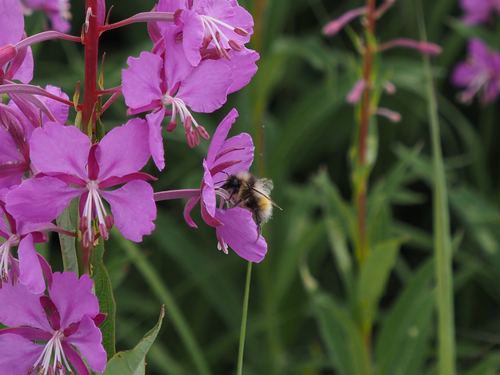
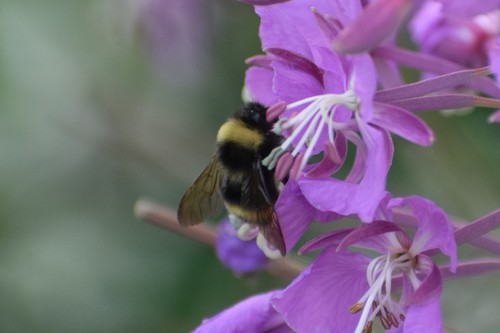
The closest relatives of the Norwegian Wasp that you can see in Wrangell-St. Elias National Park (order Hymenoptera, Ants, Bees, Wasps, and Sawflies) are Forest Bumble Bee (about 50%), McKay's Western Bumble Bee (about 40%) and Yellow-Fronted Bumble Bee (about 40%), with each one's daily chance of a sighting.

Where does the Norwegian Wasp sighting chance come from?

GBIF citizen-science records

It is estimated from how often the Norwegian Wasp is recorded against all the insects logged in Wrangell-St. Elias National Park (5 verified sightings from 2019 to 2026), calibrated against known sighting rates. Figures are rounded to the nearest 10% because citizen-science data supports honest approximations, not decimals, and months with records from fewer than five people show "—". How it works.

← Back to Wrangell-St. Elias National Park