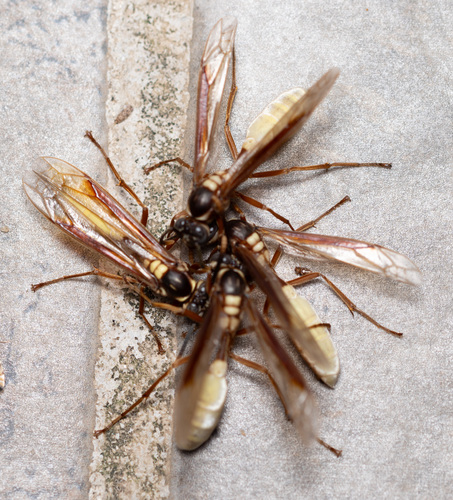
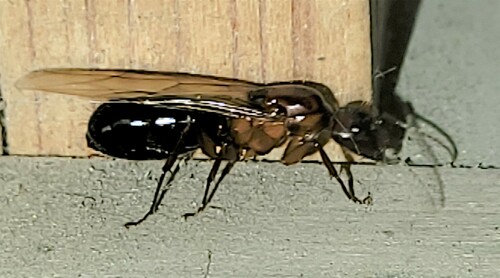
Amazonian Bumble Bee

Amazonian Bumble Bee

Bombus transversalis

Daily sighting probability ~10% · With luck
at Yasuní National Park

In 3 days ~30% in a week ~50%

8 Verified sightings at Yasuní National Park From 2019 to 2026
47 In all 2 parks
July Best month
☀️ Diurnal When it's spotted

About the Amazonian Bumble Bee

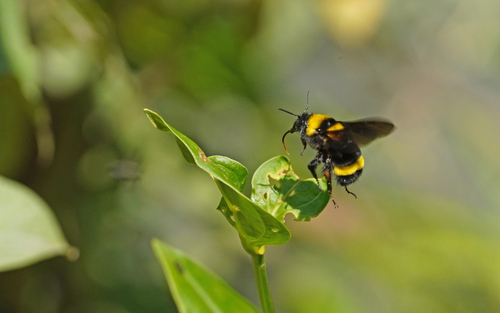
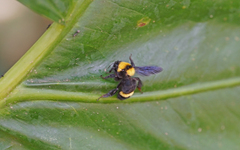
Bombus transversalis is a bumblebee specifically native to the Amazon Basin. It is most notable for its surface-level colonies which are built by the workers on the rainforest floor. Unlike its relatives, B. transversalis is able to thrive in a humid climate and fend off a wide range of predators because of its resilient nests. While there is great deal of information pertaining to their nests and foraging abilities, there is much more to be learned about relationships within the colony and life cycle of the bee.

Bombus transversalis is in the order Hymenoptera, which consists of bees, ants, wasps, and sawflies. It is in the family Apidae and in the genus Bombus. Most Bombus live in temperate climates and build their nests underground from abandoned tunnels. Bombus transversalis has adapted to tropical climates and builds its nests on ground surface. It is classified under the subgenus Thoracobombus. An example of a related species would be Bombus pauloensis. However, Bombus transversalis is the only one of this subgenus known to build their own nests out of leaves and twigs.

Bombus transversalis is primarily found in the... Wikipedia →

Global Distribution

Parks Where Found

# Park Country Daily sighting probability
1 Manu National Park 🇵🇪 Peru
~20%
2 Yasuní National Park 🇪🇨 Ecuador
~10%

Before you go

What are the chances of seeing an Amazonian Bumble Bee in Yasuní National Park?

With luck

About 10% of wildlife watchers report an Amazonian Bumble Bee sighting in Yasuní National Park on a given day, based on 8 verified sightings from GBIF citizen-science data from 2019 to 2026. It is the 106th most-seen of the 203 insects we can rate there. Over three days the chance rises to about 30%, and over a week to about 50%, if each day is a fresh chance.

When is the best time to see an Amazonian Bumble Bee in Yasuní National Park?

July and October

In those months about 20% of wildlife watchers report an Amazonian Bumble Bee in Yasuní National Park on a given day, against under 5% in April, August–September and November–January, the lowest months.

What time of day is best to see an Amazonian Bumble Bee?

Between 8 and 11 am

Across all the parks we cover, that three-hour window holds the most Amazonian Bumble Bee sightings with a recorded time, and about 9 in 10 of them come between 6 am and 6 pm: it is a daytime animal.

Is Yasuní National Park the best place to see an Amazonian Bumble Bee?

2nd of 2

Of the 2 parks where we can rate Amazonian Bumble Bee sightings, Yasuní National Park ranks 2nd at about 10%. The best odds are in Manu National Park (Peru, about 20%).

Which relatives of the Amazonian Bumble Bee live in Yasuní National Park?

Same order: Hymenoptera

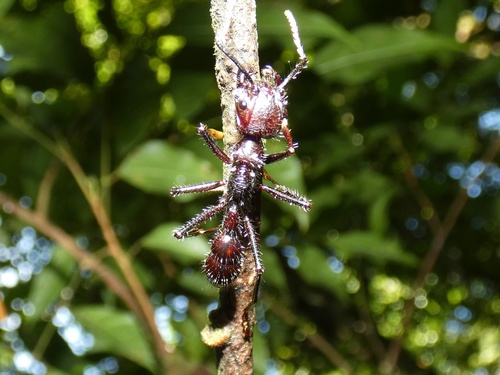
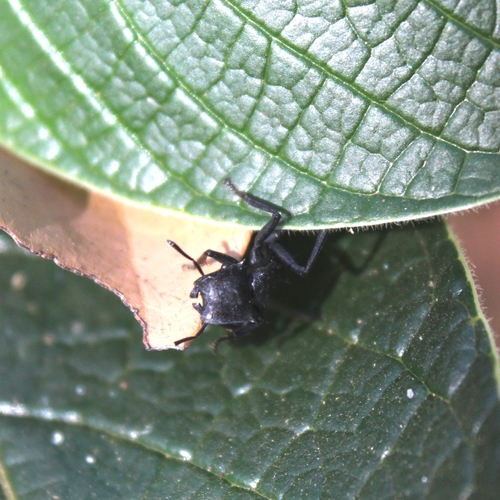
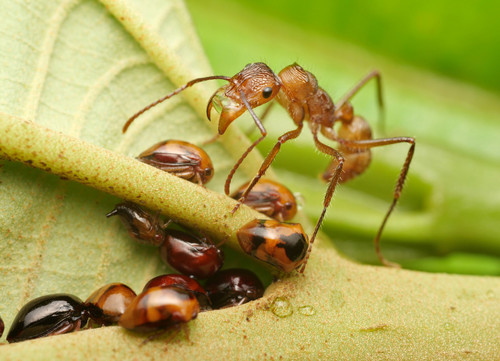
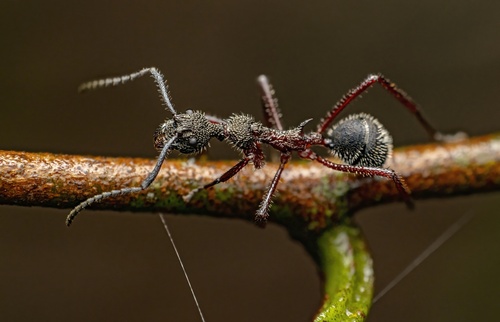
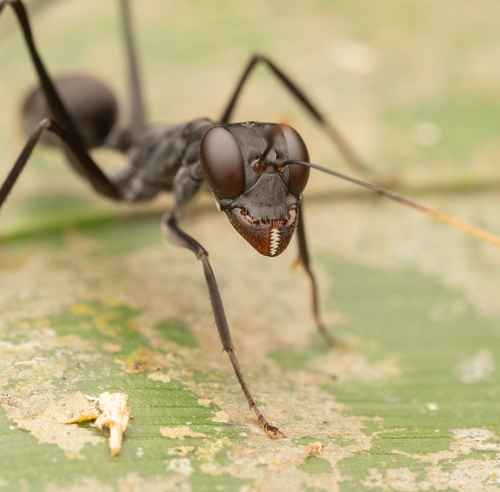
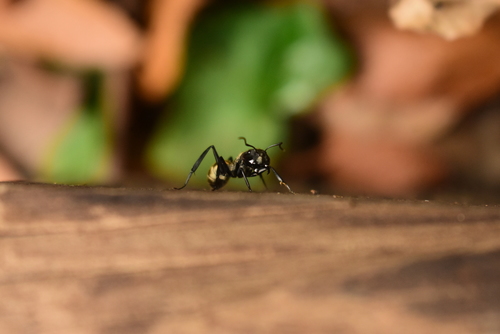
The closest relatives of the Amazonian Bumble Bee that you can see in Yasuní National Park (order Hymenoptera, Ants, Bees, Wasps, and Sawflies) are Bullet Ant (about 50%), Common Giant Turtle Ant (about 20%) and Ectatomma tuberculatum (about 20%), with each one's daily chance of a sighting.

Where does the Amazonian Bumble Bee sighting chance come from?

GBIF citizen-science records

It is estimated from how often the Amazonian Bumble Bee is recorded against all the insects logged in Yasuní National Park (8 verified sightings from 2019 to 2026), calibrated against known sighting rates. Figures are rounded to the nearest 10% because citizen-science data supports honest approximations, not decimals, and months with records from fewer than five people show "—". How it works.

← Back to Yasuní National Park