







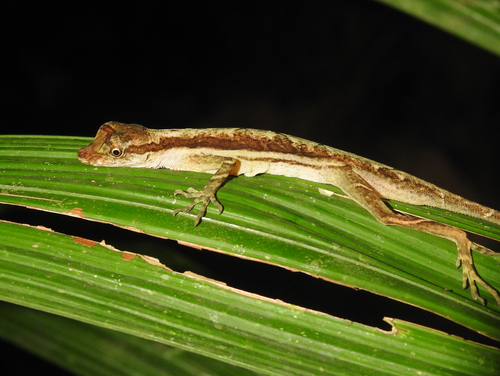

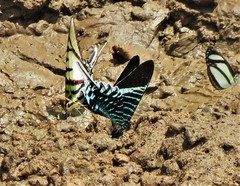
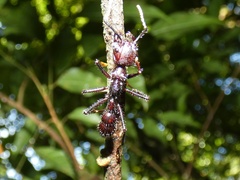
All 3 in 3 days here: ~40%
Yasuní National Park
🇪🇨 Ecuador
Amazon, Ecuador 1576 spp. recorded
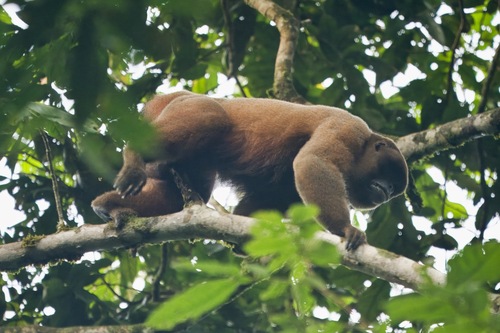
Yasuní sits where the Andes, the equator and the Amazon meet, and the count of species per hectare is among the highest recorded anywhere. What a visitor actually meets is monkeys: woolly monkeys on around six visits in ten, squirrel monkeys and red howlers close behind.
-1.170° S 76.263° W
🦜 Nature

870 Species sighted
170,240 Verified sightings From 2019 to 2026
Sep Best month
⭐ Iconic Species
📊 Most Spotted
⭐ Iconic Species
📊 Most Spotted
⭐ Iconic Species
📊 Most Spotted
📊 Most Spotted
📊 Most Spotted
📊 Most Spotted
🌙 Most active after dark
+ 337 more species with insufficient data
Challenges you can complete here


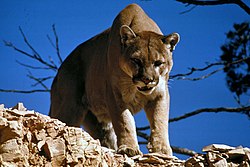

All 3 in 3 days here: <5%
Recent sightings in Yasuní National Park
LIVEiNaturalistSounds of Yasuní National Park
Morning soundscape1:24
Ecuador · 2022
© Xavier Amigo · XC825151 · CC BY-NC-SA 4.0
Sighting Calendar
How many species you'd see in a day
85Jan
88Feb
92Mar
72Apr
84May
83Jun
84Jul
104Aug
107Sep
104Oct
103Nov
85Dec
Sighting Zones
Warmer areas are where all species together are recorded most often.
-
Napo Wildlife Center
Daily sight. prob.vs avg Colombian Red Howler Monkey~70%+30%
 Proboscis Bat~70%+30%
 Ecuadorian Squirrel Monkey~70%+20%
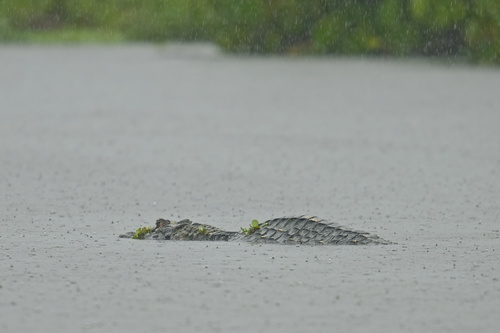
 Black Caiman~70%+40%
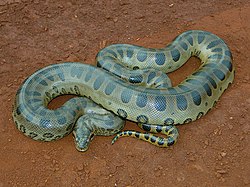 Anaconda~70%+30%
 Ecuador Poison Frog~70%+10%
 Hoatzin~60%+10%
 South American Common Toad~50%-10%
 Yellow-rumped Cacique~50%-10%
 Smoky Jungle Frog~50%+10%
 Painted Antnest Frog~50%+20%
 Napo Saki~50%+20%
-
Estación y alrededores
Daily sight. prob.vs avg- South American Common Toad~80%+20%
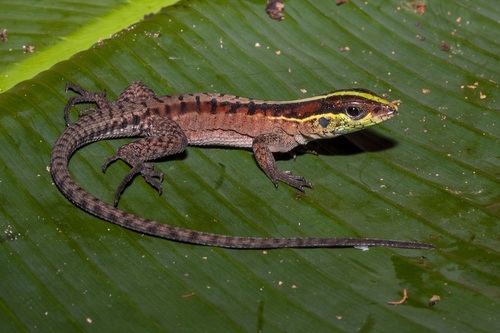
 Yellow-tongued Anole~80%+20%
- Ecuador Poison Frog~70%+10%
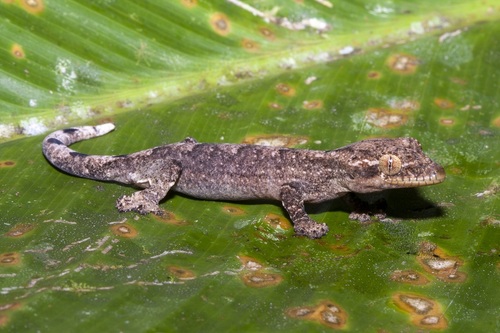
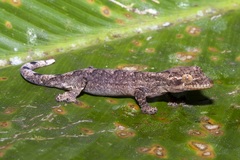 Southern Turnip-tailed Gecko~70%+30%
 Common Big-headed Frog~60%+20%
 Smooth-sided Toad~60%+20%
- Ecuadorian Squirrel Monkey~50%≈
 Forest Whiptail~50%+20%
- Smoky Jungle Frog~50%+10%
- Colombian Red Howler Monkey~40%≈
 Brown-eared Anole~40%+10%
 White-throated Toucan~40%-10%
-
Sacha Lodge
Daily sight. prob.vs avg- Ecuadorian Squirrel Monkey~80%+30%
 Common Caiman~60%+30%
- Colombian Red Howler Monkey~60%+10%
- Black Caiman~60%+20%
- South American Common Toad~50%-10%
- Brown-eared Anole~50%+10%
 Blunthead Tree Snake~50%+10%
 O'Shaughnessy's Gecko~50%+20%
- Yellow-tongued Anole~50%-10%
 Giant Broad-headed Treefrog~50%+20%
- Ecuador Poison Frog~50%-10%
 Russet-backed Oropendola~50%-10%
-
ECY_PUCE
Daily sight. prob.vs avg- Yellow-tongued Anole~70%+20%
- Ecuador Poison Frog~70%+10%
 White-lined Leaf Frog~60%+30%
- Yellow-rumped Cacique~60%≈
- Brown-eared Anole~50%+10%
- Giant Broad-headed Treefrog~50%+20%
 Eastern Cane Toad~50%+20%
 White-tailed Titi~50%+10%
- Russet-backed Oropendola~50%-10%
- White-throated Toucan~50%-10%
- Painted Antnest Frog~40%+20%
 Painted Forest Toadlet~40%+20%
-
Napo Cultural Center
Daily sight. prob.vs avg- Napo Saki~70%+40%
- White-tailed Titi~70%+30%
- Ecuador Poison Frog~70%+10%
- Colombian Red Howler Monkey~60%+20%
- Ecuadorian Squirrel Monkey~50%≈
- Russet-backed Oropendola~50%-10%
- Brown-eared Anole~40%≈
- Black Caiman~40%+10%
- Yellow-rumped Cacique~40%-20%
 Yellow-headed Sideneck~30%≈
- Anaconda~30%≈
 Broad-headed Woodlizard~30%≈
🏕️ Experience
Essentials
Entrance
Paid
Tourism
Medium
Typical stay
2–3
daysTrails
Easy
World Heritage
No
Climate
Temp °C Rain mm
JanFebMarAprMayJunJulAugSepOctNovDec
0.0 World-class
Wallace's Line Score
How good is this park for seeing wildlife? 🦜
Biodiversity
ExcellentHow rich is the wildlife?
4.7
Species by taxon
🦅 Birds 890
🐒 Mammals 318
🦎 Reptiles 189
🐸 Amphibians 179
1576 Total Species
828 Global average across 316 parks
37 Threatened 48 Endemic
🔭
Sighting
ExcellentHow likely to see animals?
4.7
🎯
Top-12 Avg Probability
54% 📊
Coverage (463 species at ≥5% of 1576 in the inventory)
29% 🔀
Taxon variety in top 12 (7 bird, 2 amphibian, 2 mammal, 1 reptile)
80% 🔭
Species per 10 outings (distinct species a visitor would meet over 10 outings — effort held equal across parks)
244 🌟
Iconic-group species (≥15%) (every species from the 19 iconic groups — monkeys, cats, toucans, macaws, sloths, crocodilians… — not just the 4 highlighted above)
50 ⭐
High-prob species (>40%)
27 🏕️
Experience
Very goodHow easy and pleasant is the visit?
4.0
Climate Mixed Medium
Entrance Paid Low
Tourism Medium Medium
Trails Easy High
World Heritage No —
What visitors say
We mainly saw green parrots and green parakeets with blue heads.
On most outings we saw a few monkeys and of course plenty of birds – my favourite being a yellow-headed vulture.
We saw scarlet, red and green, and red-bellied macaws, and toucans.
If we found the anaconda or not will be revealed in the next part of this series, so stay tuned.
Before you go
What animals can you see in Yasuní National Park?
1,576 species
Yasuní National Park has 1,576 recorded vertebrate species. The ones wildlife watchers report most often on a given day are Ecuador Poison Frog (about 60%), Yellow-rumped Cacique (about 60%), Russet-backed Oropendola (about 60%), South American Common Toad (about 60%) and Yellow-tongued Anole (about 60%). Among mammals, the most-seen is Common Woolly Monkey (about 60%).
When is the best time to visit Yasuní National Park for wildlife?
May and August–November
In those months the park's 12 most-seen species average about 60% on a given day, against about 40% in April.
Can you see a Common Woolly Monkey in Yasuní National Park?
Yes
About 60% of wildlife watchers report a Common Woolly Monkey sighting in Yasuní National Park on a given day, based on 251 verified sightings from GBIF citizen-science data from 2019 to 2026. The best time is November (about 80%).
Can you see an Ecuadorian Squirrel Monkey in Yasuní National Park?
Yes
About 50% of wildlife watchers report an Ecuadorian Squirrel Monkey sighting in Yasuní National Park on a given day, based on 162 verified sightings from GBIF citizen-science data from 2019 to 2026. The best time is February, June and August–September (about 60%).
Can you see a Colombian Red Howler Monkey in Yasuní National Park?
Yes
About 50% of wildlife watchers report a Colombian Red Howler Monkey sighting in Yasuní National Park on a given day, based on 151 verified sightings from GBIF citizen-science data from 2019 to 2026. The best time is March–April and August (about 60%).
Can you see a White-throated Toucan in Yasuní National Park?
Yes
About 50% of wildlife watchers report a White-throated Toucan sighting in Yasuní National Park on a given day, based on 2,059 verified sightings from GBIF citizen-science data from 2019 to 2026. The best time is March, May, July–August, October and December (about 60%).
Where in Yasuní National Park is wildlife easiest to see?
Around Napo Wildlife Center
The richest sighting zone is around Napo Wildlife Center, followed by Estación y alrededores and Sacha Lodge, ranked by how many of the park's headline animals visitors can expect to see in each. See the zones on the map.
Is Yasuní National Park good for wildlife watching?
4.7 out of 5
On the Wallace's Line Score, Yasuní National Park rates 4.7/5: 36th of 316 parks worldwide and 3rd in South America. 42 of its species are reported by about 40% or more of wildlife watchers on a given day.


