


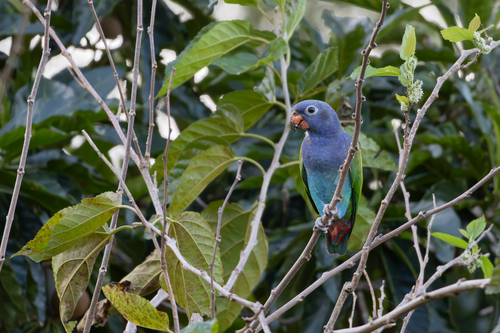


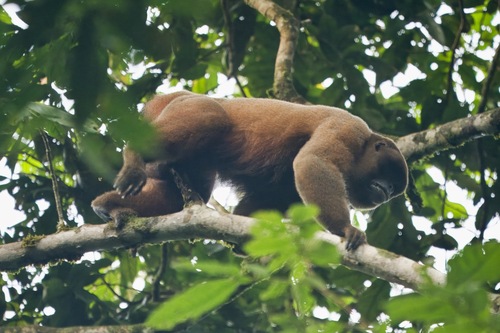


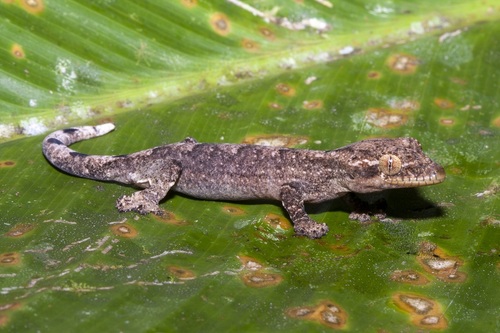


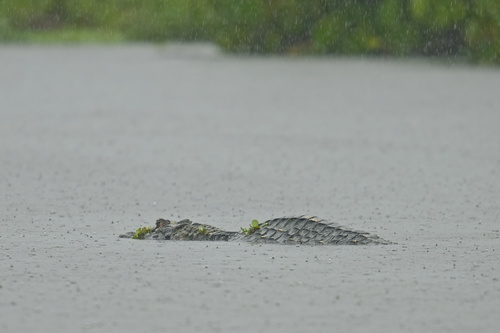


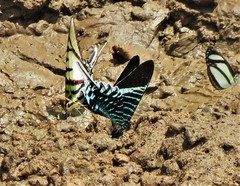
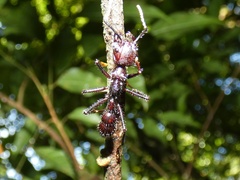
All 3 in 3 days here: ~20%
Manu National Park
🇵🇪 Peru
Madre de Dios, Peru 2185 spp. recorded
Manu runs from Andean puna down to Amazon lowland in one continuous protected gradient, which is why its species lists are the length they are. On the ground it is a river trip: brown capuchins and Bolivian squirrel monkeys along the banks, titi monkeys and black spider monkeys deeper in.
-12.320° S 71.342° W
🦜 Nature

1,104 Species sighted
216,889 Verified sightings From 2019 to 2026
Sep Best month
⭐ Iconic Species
📊 Most Spotted
⭐ Iconic Species
📊 Most Spotted
📊 Most Spotted
📊 Most Spotted
📊 Most Spotted
📊 Most Spotted
🌙 Most active after dark
+ 390 more species with insufficient data
Challenges you can complete here


All 2 in 3 days here: ~10%
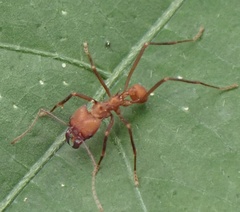
All 3 in 3 days here: ~10%


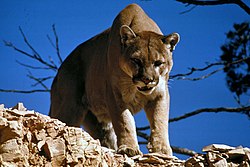

All 3 in 3 days here: <5%
Recent sightings in Manu National Park
LIVEiNaturalistSounds of Manu National Park
Sighting Calendar
How many species you'd see in a day
107Jan
77Feb
92Mar
75Apr
106May
79Jun
91Jul
92Aug
114Sep
107Oct
113Nov
109Dec
Sighting Zones
Warmer areas are where all species together are recorded most often.
-
Cocha Machuhuasi
Daily sight. prob.vs avg -
Estación Biológica de Cocha Cashu
Daily sight. prob.vs avg Eastern Cane Toad~60%≈
 Surinam Horned Frog~50%+20%
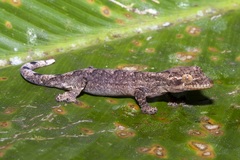 Southern Turnip-tailed Gecko~50%+20%
 Amazon Racerunner~50%+10%
 Three-striped Poison Frog~50%+20%
 Map Tree Frog~50%+10%
 Brown-eared Anole~40%≈
 Amazon Sheep Frog~40%+10%
 Black-capped Squirrel Monkey~40%≈
 Proboscis Bat~40%+10%
 Brown Capuchin~40%-10%
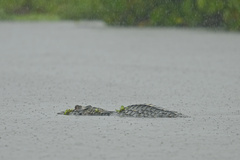 Black Caiman~40%+10%
-
Los Amigos Biological Station (CICRA)
Daily sight. prob.vs avg -
Jardin de Picaflores y Orquideas Inkamazonia
Daily sight. prob.vs avg Bates's Tree Boa~80%+50%
- Black-capped Squirrel Monkey~70%+20%
 Toppin's Titi~60%+20%
 Bolivian Squirrel~50%+30%
- Eastern Cane Toad~40%-20%
 Western Rainbow Boa~30%+10%
 Russet-backed Oropendola~30%-20%
 Red Snouted Tree Frog~30%≈
 Silver-beaked Tanager~30%-20%
 Blue-gray Tanager~20%-10%
 Tschudi's False Coral Snake~20%≈
 Peru white-lipped frog~20%-10%
-
Jardín de Colibries y Mirador Pico de Hoz
Daily sight. prob.vs avg- Eastern Cane Toad~50%-20%
- Red Snouted Tree Frog~40%+10%
- Russet-backed Oropendola~40%-10%
- Map Tree Frog~40%≈
 Speckled Chachalaca~40%≈
- Silver-beaked Tanager~40%-10%
 Social Flycatcher~40%-10%
 White-lined Leaf Frog~40%≈
 Freiberg's Foam-Frog~40%+10%
 Hoatzin~30%-10%
- Black-capped Squirrel Monkey~30%-10%
 Yellow-rumped Cacique~30%-10%


🏕️ Experience
Essentials
Climate
Temp °C Rain mm
JanFebMarAprMayJunJulAugSepOctNovDec
0.0 Excellent
Wallace's Line Score
How good is this park for seeing wildlife? 🦜
Biodiversity
ExcellentHow rich is the wildlife?
5.0
Species by taxon
🦅 Birds 1327
🐒 Mammals 413
🦎 Reptiles 229
🐸 Amphibians 216
2185 Total Species
828 Global average across 316 parks
69 Threatened 92 Endemic
🔭
Sighting
Very goodHow likely to see animals?
3.9
🎯
Top-12 Avg Probability
48% 📊
Coverage (486 species at ≥5% of 2185 in the inventory)
22% 🔀
Taxon variety in top 12 (8 bird, 2 mammal, 1 amphibian, 1 reptile)
69% 🔭
Species per 10 outings (distinct species a visitor would meet over 10 outings — effort held equal across parks)
266 🌟
Iconic-group species (≥15%) (every species from the 19 iconic groups — monkeys, cats, toucans, macaws, sloths, crocodilians… — not just the 4 highlighted above)
41 ⭐
High-prob species (>40%)
14 🏕️
Experience
Very goodHow easy and pleasant is the visit?
4.3
Climate Pleasant High
Entrance Paid Low
Tourism High Low
Trails Easy High
World Heritage Yes Bonus
What visitors say
King Vulture Black-faced Dacnis female But the stars of the show were the hummingbirds and all of them were different from the collection we saw higher up on Manu Road.
It’s surprising how quickly you get used to the sight of free-flying macaws; birds that until now I have only ever seen as captives of the pet trade.
Then we spotted (far away) a Little Woodpecker, as well as a Lineated Woodpecker, and the first of many Black-Billed Thrushes we would subsequently see at the station.
Here we found another new hummingbird for me, the Wire-crested Thorntail.
Before you go
What animals can you see in Manu National Park?
2,185 species
Manu National Park has 2,185 recorded vertebrate species. The ones wildlife watchers report most often on a given day are Eastern Cane Toad (about 60%), Russet-backed Oropendola (about 60%), Silver-beaked Tanager (about 50%), Yellow-rumped Cacique (about 50%) and Black-capped Squirrel Monkey (about 50%). Among reptiles, the most-seen is Amazon Racerunner (about 40%).
When is the best time to visit Manu National Park for wildlife?
March–May and July–October
In those months the park's 12 most-seen species average about 50% on a given day, against about 40% in June and November–February.
Can you see a Brown Capuchin in Manu National Park?
Yes
About 50% of wildlife watchers report a Brown Capuchin sighting in Manu National Park on a given day, based on 151 verified sightings from GBIF citizen-science data from 2019 to 2026. The best time is January, March, June–August and November (about 50%).
Can you see a Black-capped Squirrel Monkey in Manu National Park?
Yes
About 50% of wildlife watchers report a Black-capped Squirrel Monkey sighting in Manu National Park on a given day, based on 184 verified sightings from GBIF citizen-science data from 2019 to 2026. The best time is March and September (about 60%).
Can you see a Toppin's Titi in Manu National Park?
Yes
About 40% of wildlife watchers report a Toppin's Titi sighting in Manu National Park on a given day, based on 106 verified sightings from GBIF citizen-science data from 2019 to 2026. The best time is April (about 60%).
Can you see a Black-faced Black Spider Monkey in Manu National Park?
Yes
About 30% of wildlife watchers report a Black-faced Black Spider Monkey sighting in Manu National Park on a given day, based on 115 verified sightings from GBIF citizen-science data from 2019 to 2026. The best time is January–February, July–August and November (about 40%).
Where in Manu National Park is wildlife easiest to see?
Around Cocha Machuhuasi
The richest sighting zone is around Cocha Machuhuasi, followed by Estación Biológica de Cocha Cashu and Los Amigos Biological Station (CICRA), ranked by how many of the park's headline animals visitors can expect to see in each. See the zones on the map.
Is Manu National Park good for wildlife watching?
4.2 out of 5
On the Wallace's Line Score, Manu National Park rates 4.2/5: 87th of 316 parks worldwide and 10th in South America. 27 of its species are reported by about 40% or more of wildlife watchers on a given day.


