Tropical Thornytail Iguana

Tropical Thornytail Iguana

Uracentron flaviceps

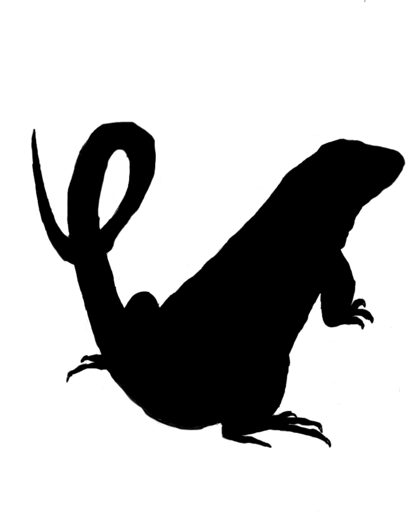
Silhouette: Natalie Claunch · PhyloPic

LCLeast ConcernNTVUENCR
Daily sighting probability ~20% · Possible
at Yasuní National Park

In 3 days ~50% in a week ~80%

31 Verified sightings at Yasuní National Park From 2019 to 2026
31 In 1 park
September Best month
☀️ Diurnal When it's spotted

About the Tropical Thornytail Iguana

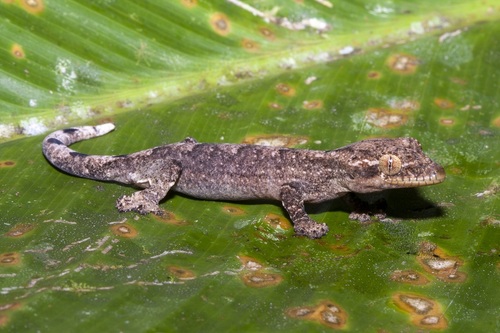
Uracentron flaviceps, the tropical thornytail iguana or Amazon thornytail iguana is an elusive species of medium-sized arboreal lizard found in the tropical lowlands of the Amazon rainforest. The species was described by French zoologist Alphonse Guichenot in 1855. They are considered to be ant specialists and exhibit communal nesting and a harem-style breeding system in which one male mates with and attends to multiple females. Study of this species has been impeded by difficulties collecting and observing them.

The species was originally named Doryphorus flaviceps by Guichenot in 1855. Since its original identification, the species has undergone a number of taxonomic changes. In 1881, it was renamed Uranocentrum flaviceps by O'Shaughnessy. This change did not last very long and the name was changed to Urocentron castor in 1885. Only minor taxonomic changes were made after 1885, until a change to U. flaviceps in 1925. This name lasted until 1992, when Darrel R. Frost renamed the species Tropidurus flaviceps. The name switched between T. flaviceps and U. flaviceps until 2003, when the genus Tropidurus was split into several genera and the tropical thornytail iguana was... Wikipedia →

Global Distribution

Parks Where Found

# Park Country Daily sighting probability
1 Yasuní National Park 🇪🇨 Ecuador
~20%

More parks will be added in future updates.

Before you go

What are the chances of seeing a Tropical Thornytail Iguana in Yasuní National Park?

Possible

About 20% of wildlife watchers report a Tropical Thornytail Iguana sighting in Yasuní National Park on a given day, based on 31 verified sightings from GBIF citizen-science data from 2019 to 2026. It is the 20th most-seen of the 49 reptiles we can rate there. Over three days the chance rises to about 50%, and over a week to about 80%, if each day is a fresh chance.

When is the best time to see a Tropical Thornytail Iguana in Yasuní National Park?

September

In that month about 40% of wildlife watchers report a Tropical Thornytail Iguana in Yasuní National Park on a given day, against under 5% in June, the lowest month.

What time of day is best to see a Tropical Thornytail Iguana?

Between 9 am and noon

Across all the parks we cover, that three-hour window holds the most Tropical Thornytail Iguana sightings with a recorded time, and about 8 in 10 of them come between 6 am and 6 pm: it is a daytime animal.

Where else can you see a Tropical Thornytail Iguana?

Only Yasuní National Park, in our data

Yasuní National Park is the only park on Wallace's Line with enough records to rate Tropical Thornytail Iguana sightings: about 20% of wildlife watchers there report one on a given day.

Which relatives of the Tropical Thornytail Iguana live in Yasuní National Park?

Same family: Tropiduridae

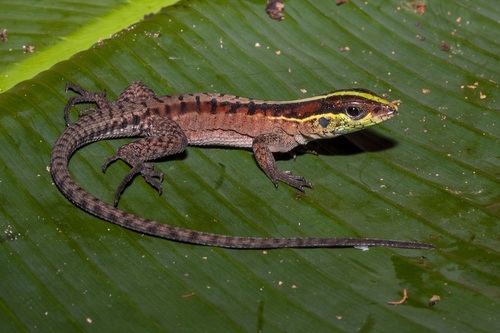
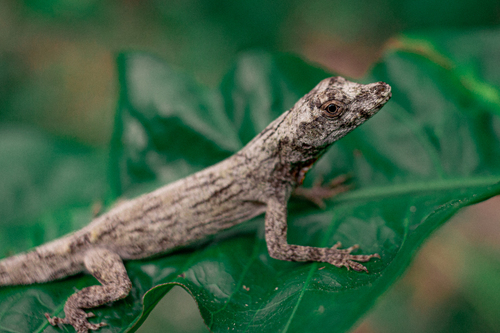
The closest relatives of the Tropical Thornytail Iguana that you can see in Yasuní National Park (family Tropiduridae, Neotropical Ground Lizards) are Tree Runner (about 30%) and Blue-lipped Tree Lizard (about 10%), with each one's daily chance of a sighting.

Where does the Tropical Thornytail Iguana sighting chance come from?

GBIF citizen-science records

It is estimated from how often the Tropical Thornytail Iguana is recorded against all the reptiles logged in Yasuní National Park (31 verified sightings from 2019 to 2026), calibrated against known sighting rates. Figures are rounded to the nearest 10% because citizen-science data supports honest approximations, not decimals, and months with records from fewer than five people show "—". How it works.

← Back to Yasuní National Park