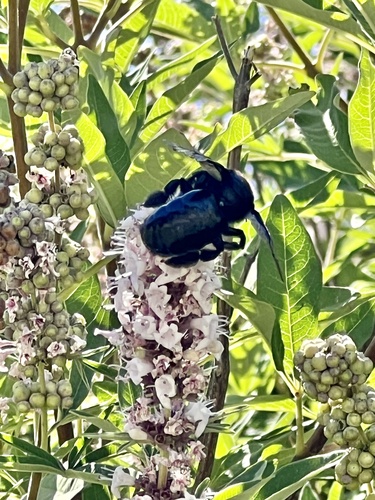
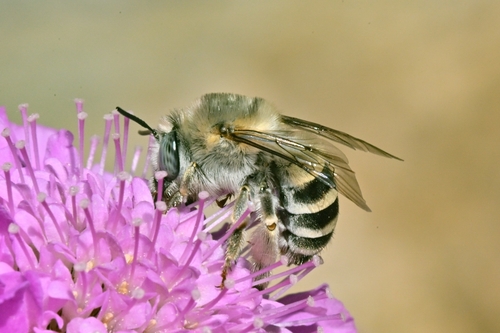
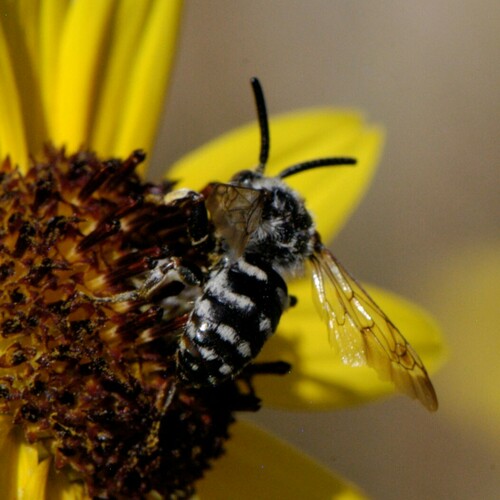
Forest Bumble Bee

Forest Bumble Bee

Bombus sylvicola

Daily sighting probability ~10% · With luck
at Yosemite National Park

In 3 days ~20% in a week ~40%

31 Verified sightings at Yosemite National Park From 2019 to 2026
124 In all 7 parks
August Best month
☀️ Diurnal When it's spotted

About the Forest Bumble Bee

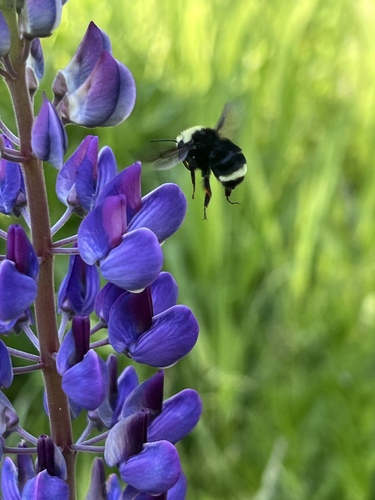
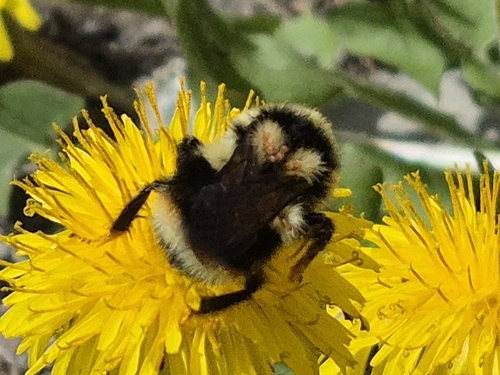
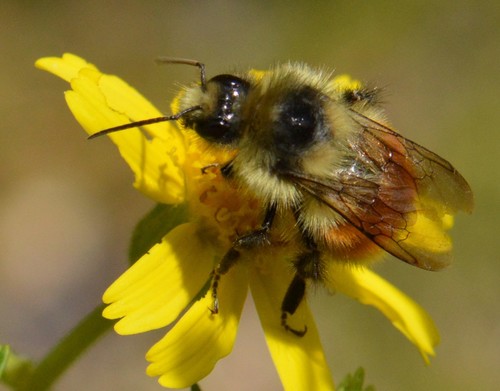
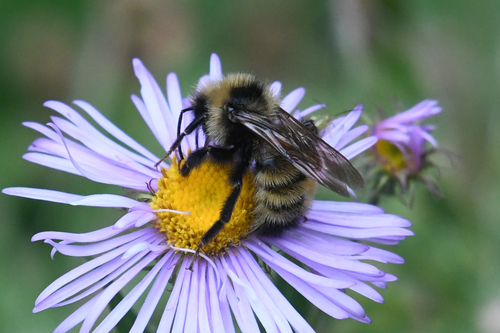
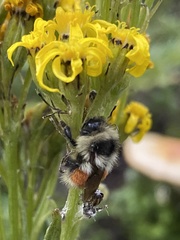
Bombus sylvicola is a species of bumblebee native to North America. It occurs throughout most of Canada, its distribution extending into Alaska and the western contiguous United States. In the southernmost extent of its range in California it occurs only at elevation. It is known commonly as the forest bumblebee.

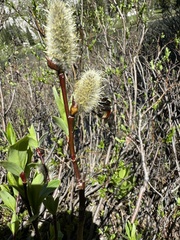
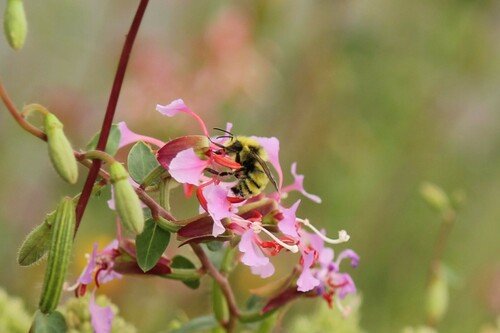
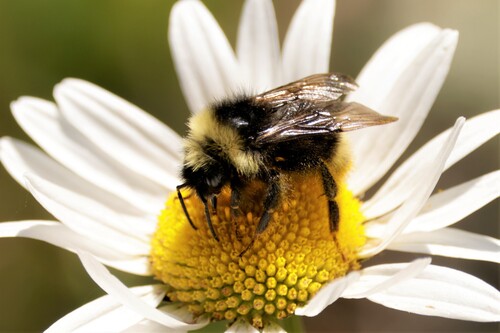
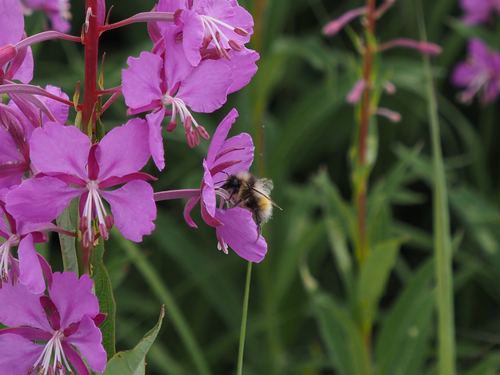
This is a common species. It is a bee of alpine and subarctic climates. It lives in open, grassy habitat such as mountain meadows. It nests underground, or sometimes on the surface. Its food plants include sandworts, rabbitbrush, fireweeds, lupines, coyote mints, butterburs, mountain heathers, and groundsels.

This was one of two bees featured in a study showing how climate change may be affecting their morphology. This species is polymorphic, with longer-tongued and shorter-tongued individuals. As the current climate change progresses, longer-tongued individuals are becoming less common in the population because flowers with long corollas are becoming less abundant. Shorter-tongued bees are having more success as generalist foragers among the available flora.

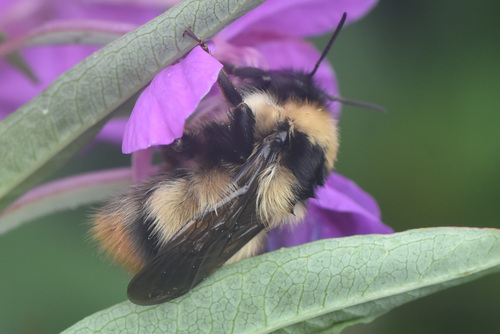
This species is very similar to the black-tailed bumblebee (B. melanopygus), the two sometimes having nearly identical color patterns. Wikipedia →
Global Distribution

Parks Where Found

# Park Country Daily sighting probability
1 Wrangell-St. Elias National Park 🇺🇸 United States
~50%
2 Denali National Park 🇺🇸 United States
~20%
3 Sequoia and Kings Canyon National Parks 🇺🇸 United States
~10%
4 Yosemite National Park 🇺🇸 United States
~10%
5 Rocky Mountain National Park 🇺🇸 United States
~10%
6 Jasper National Park 🇨🇦 Canada
~10%
7 Glacier National Park 🇺🇸 United States
~10%

Before you go

What are the chances of seeing a Forest Bumble Bee in Yosemite National Park?

With luck

About 10% of wildlife watchers report a Forest Bumble Bee sighting in Yosemite National Park on a given day, based on 31 verified sightings from GBIF citizen-science data from 2019 to 2026. It is the 85th most-seen of the 227 insects we can rate there. Over three days the chance rises to about 20%, and over a week to about 40%, if each day is a fresh chance.

When is the best time to see a Forest Bumble Bee in Yosemite National Park?

June to September

In those months about 10% of wildlife watchers report a Forest Bumble Bee in Yosemite National Park on a given day, against under 5% in October to May, the lowest months. Those are among Yosemite National Park's driest months, with about 25 mm of rain a month against 220 mm in January.

What time of day is best to see a Forest Bumble Bee?

Between 11 am and 2 pm

Across all the parks we cover, that three-hour window holds the most Forest Bumble Bee sightings with a recorded time, and nearly all of them come between 6 am and 6 pm: it is a daytime animal.

Which relatives of the Forest Bumble Bee live in Yosemite National Park?

Same genus: Bombus

The closest relatives of the Forest Bumble Bee that you can see in Yosemite National Park (genus Bombus, Bumble Bees) are Yellow-Faced Bumble Bee (about 20%), Vancouver Bumble Bee (about 10%) and Black-Tailed Bumble Bee (about 10%), with each one's daily chance of a sighting.

Where does the Forest Bumble Bee sighting chance come from?

GBIF citizen-science records

It is estimated from how often the Forest Bumble Bee is recorded against all the insects logged in Yosemite National Park (31 verified sightings from 2019 to 2026), calibrated against known sighting rates. Figures are rounded to the nearest 10% because citizen-science data supports honest approximations, not decimals, and months with records from fewer than five people show "—". How it works.

← Back to Yosemite National Park