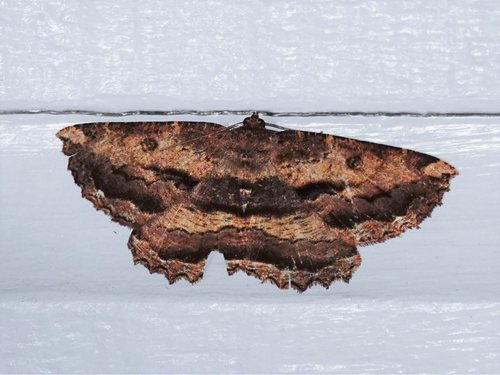
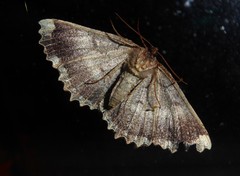
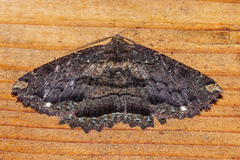
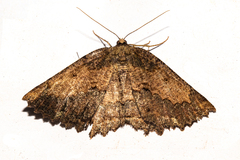
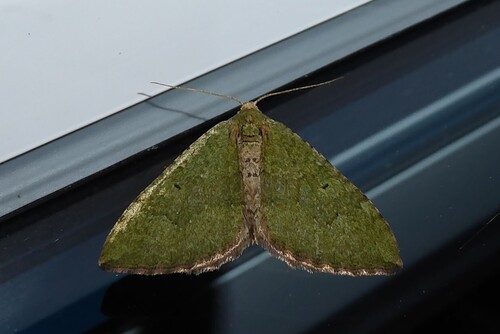
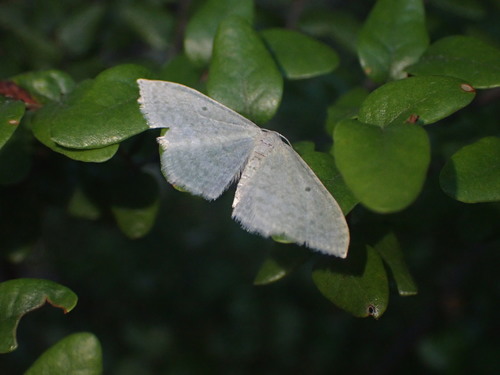
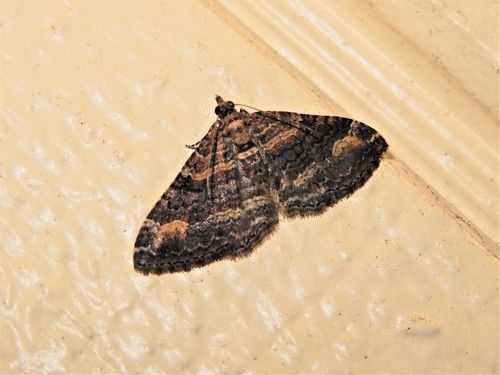
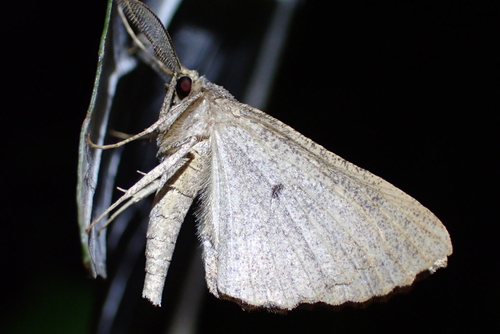
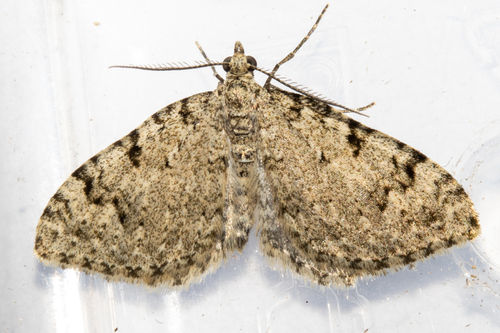
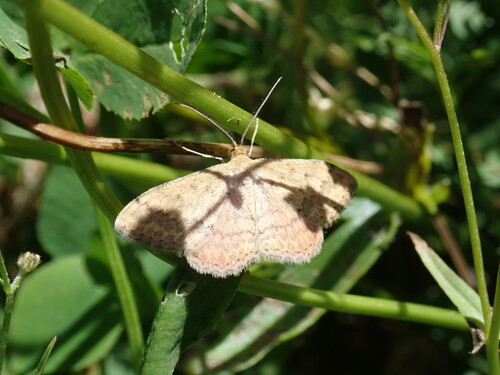
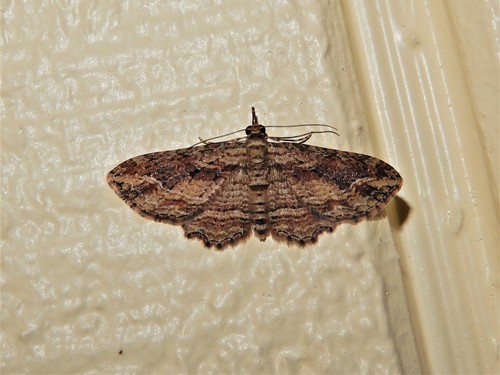
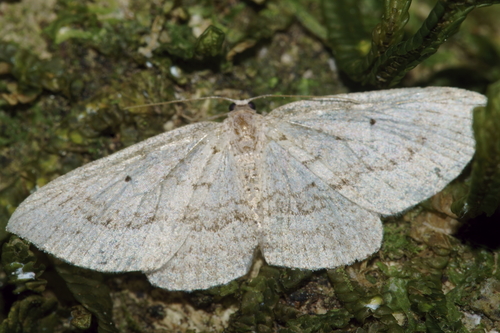
Brown Evening Moth

Brown Evening Moth

Gellonia dejectaria

Endemic
Daily sighting probability ~10% · With luck
at Abel Tasman National Park

In 3 days ~20% in a week ~50%

5 Verified sightings at Abel Tasman National Park From 2019 to 2026
12 In all 2 parks
June Best month
☀️🌙 Day & Night When it's spotted

About the Brown Evening Moth

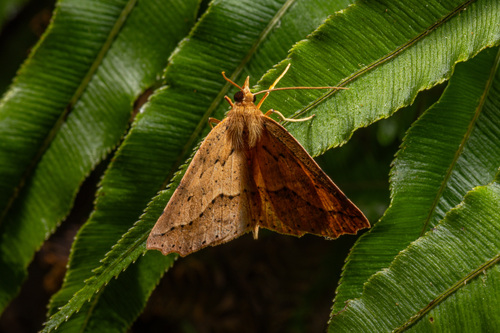
Gellonia dejectaria, the brown evening moth, is a species of moth in the family Geometridae. The species was first described by Francis Walker in 1860. It is endemic to New Zealand. Gellonia dejectaria larvae eat the leaves of the māhoe, supplejack and bush lawyer plants.

A male Gellonia dejectaria was originally described by Francis Walker as being slender bodied with a deep brown top and a yellow ashy colored underside and the middle leg segment of the back legs were thick. The antennae have narrow parallel projections like a comb going all the way to the tip (a trait only found in males). He described the wings being big and freckled with a dull brick-red color, having thin black lines on the inside and outside of the upper surface of the wing, having an almost black dot on the fore wing (larger wing) that has a white spot inside that dot. Another thing Walker noted was the presence of a wide band on the underside of the wing and brown dots on the undersides closer to the moth’s body.

The wingspan of the brown evening moth can get up to 2 inches (5.08 cm) in width. It also usually has a white dot in the middle of the outer edge of the forewing (larger wing). It... Wikipedia →

Global Distribution

Parks Where Found

# Park Country Daily sighting probability
1 Egmont National Park 🇳🇿 New Zealand
~10%
2 Abel Tasman National Park 🇳🇿 New Zealand
~10%

Cities Where Found

# City Country Daily sighting probability
1 Auckland 🇳🇿 New Zealand
~10%

Before you go

What are the chances of seeing a Brown Evening Moth in Abel Tasman National Park?

With luck

About 10% of wildlife watchers report a Brown Evening Moth sighting in Abel Tasman National Park on a given day, based on 5 verified sightings from GBIF citizen-science data from 2019 to 2026. It is the 51st most-seen of the 64 insects we can rate there. Over three days the chance rises to about 20%, and over a week to about 50%, if each day is a fresh chance.

When is the best time to see a Brown Evening Moth in Abel Tasman National Park?

February and June

In those months about 20% of wildlife watchers report a Brown Evening Moth in Abel Tasman National Park on a given day, against under 5% in March–May and July–December, the lowest months.

What time of day is best to see a Brown Evening Moth?

Between 7 and 10 am

Across all the parks we cover, that three-hour window holds the most Brown Evening Moth sightings with a recorded time, and about 6 in 10 of them come between 6 am and 6 pm: it is seen both by day and at night.

Is Abel Tasman National Park the best place to see a Brown Evening Moth?

Among the best

Of the 2 parks where we can rate Brown Evening Moth sightings, Abel Tasman National Park ranks 2nd at about 10%, level with the leaders once rounded. The best odds are in Egmont National Park (New Zealand, about 10%).

Which relatives of the Brown Evening Moth live in Abel Tasman National Park?

Same family: Geometridae

The closest relatives of the Brown Evening Moth that you can see in Abel Tasman National Park (family Geometridae, Geometer Moths) are New Zealand Looper (about 10%), Native Cranberry Moth (about 10%) and Epyaxa lucidata (about 10%), with each one's daily chance of a sighting.

Where does the Brown Evening Moth sighting chance come from?

GBIF citizen-science records

It is estimated from how often the Brown Evening Moth is recorded against all the insects logged in Abel Tasman National Park (5 verified sightings from 2019 to 2026), calibrated against known sighting rates. Figures are rounded to the nearest 10% because citizen-science data supports honest approximations, not decimals, and months with records from fewer than five people show "—". How it works.

← Back to Abel Tasman National Park