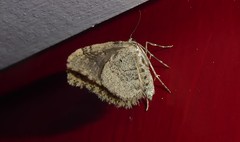
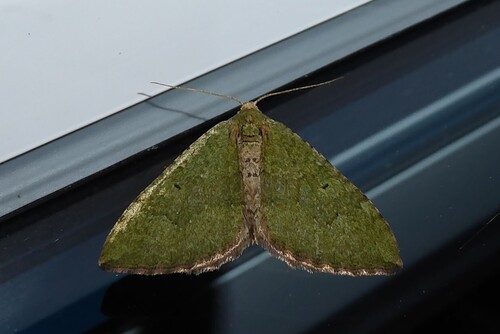
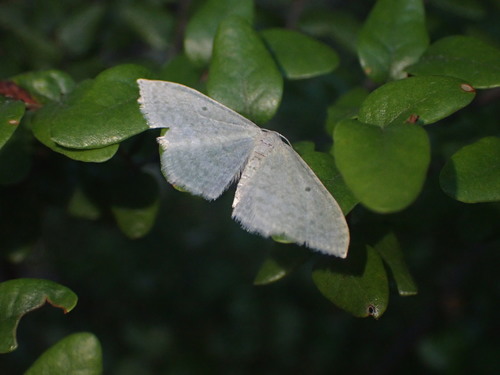
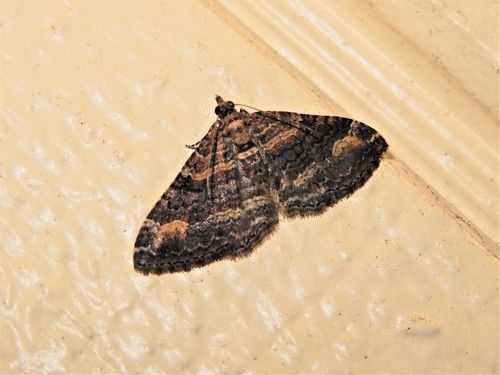
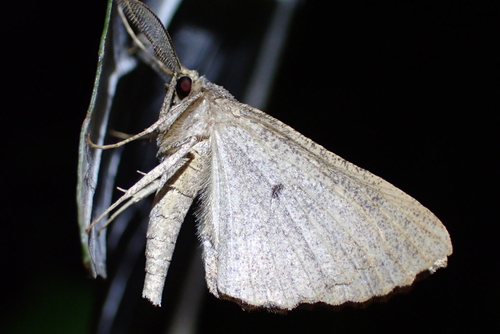
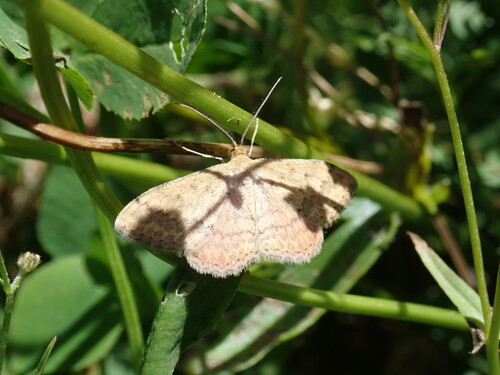
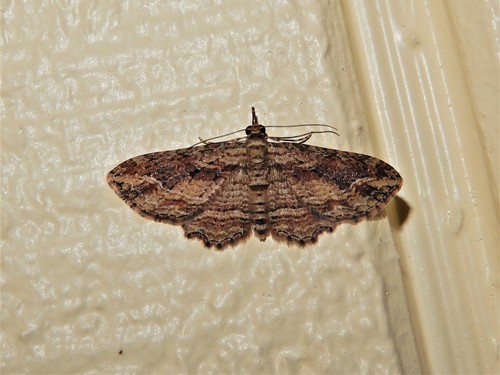
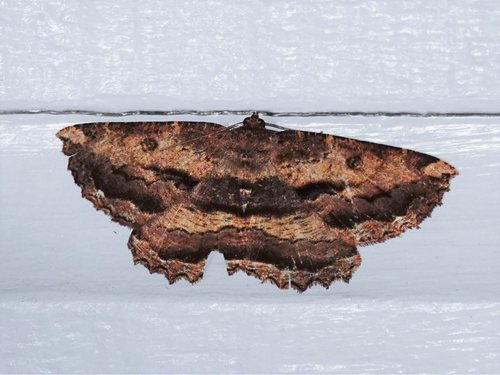
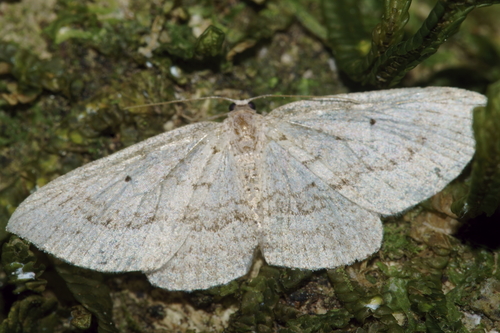
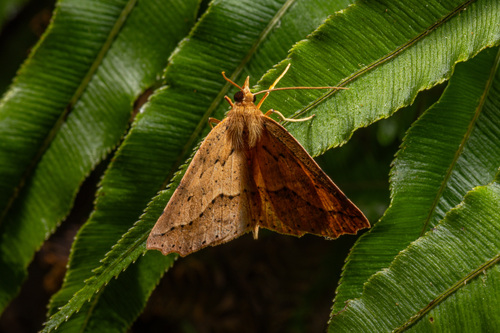
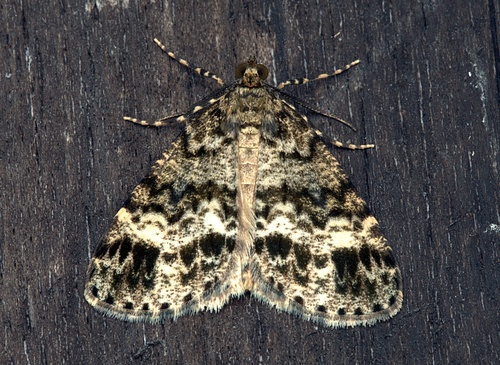
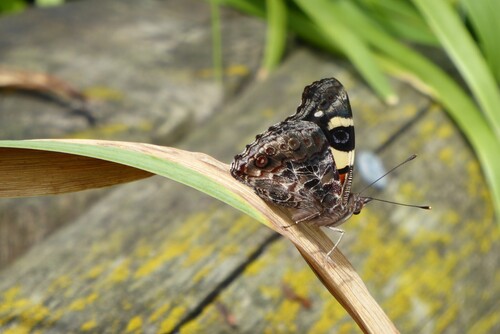
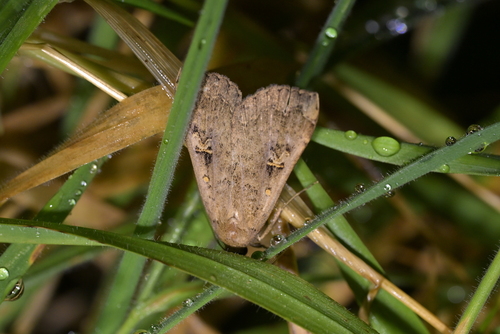
Helastia cinerearia

Helastia cinerearia

Helastia cinerearia

Endemic
Daily sighting probability ~10% · With luck
at Abel Tasman National Park

In 3 days ~30% in a week ~50%

7 Verified sightings at Abel Tasman National Park From 2019 to 2026
39 In all 4 parks
December Best month
☀️🌙 Day & Night When it's spotted

About the Helastia cinerearia

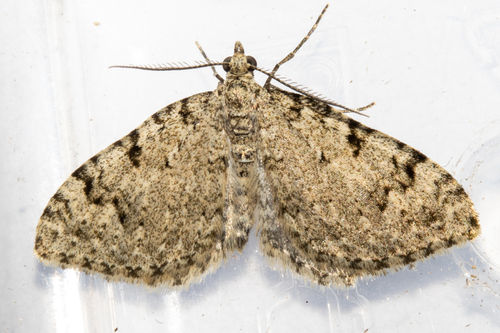
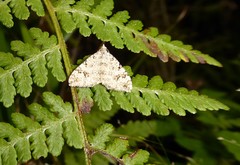
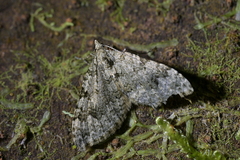
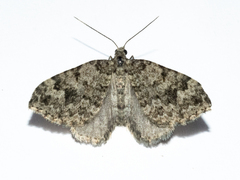
Helastia cinerearia is a moth of the family Geometridae. It is endemic to New Zealand and can be found in the North, South and Stewart Islands as well as on the Mercury and Chatham Islands. The preferred habitat of H. cinerearia includes urban gardens, various types of forest and sub alpine habitats. The larval host is lichen on rocks. The adult moths are on the wing all year round but are most commonly observed from September until February. Adult moths are nocturnal and have been observed feeding from and likely pollinating Hebe salicifolia, Hoheria lyallii and Leptospermum scoparium.

This species was first described by Edward Doubleday in 1843 and named Cidaria cinerearia. George Hudson illustrated and discussed this species under the name Xanthorhoe cinerearia in 1928 in his book The moths and butterflies of New Zealand. In 1939 Louis Beethoven Prout placed this species in the genus Larentia. In 1971 J. S. Dugdale placed this species in the genus Helastia and went on to confirm this placement in his 1988 publication Lepidoptera - annotated catalogue, and keys to family-group taxa. Robin C. Craw when revising the Helastia genus discussed this species in 1987. The... Wikipedia →

Global Distribution

Parks Where Found

# Park Country Daily sighting probability
1 Rakiura National Park 🇳🇿 New Zealand
~10%
2 Fiordland National Park 🇳🇿 New Zealand
~10%
3 Abel Tasman National Park 🇳🇿 New Zealand
~10%
4 Egmont National Park 🇳🇿 New Zealand
~10%

Cities Where Found

# City Country Daily sighting probability
1 Auckland 🇳🇿 New Zealand
~10%

Before you go

What are the chances of seeing a Helastia cinerearia in Abel Tasman National Park?

With luck

About 10% of wildlife watchers report a Helastia cinerearia sighting in Abel Tasman National Park on a given day, based on 7 verified sightings from GBIF citizen-science data from 2019 to 2026. It is the 35th most-seen of the 64 insects we can rate there. Over three days the chance rises to about 30%, and over a week to about 50%, if each day is a fresh chance.

When is the best time to see a Helastia cinerearia in Abel Tasman National Park?

October and December

In those months about 20% of wildlife watchers report a Helastia cinerearia in Abel Tasman National Park on a given day, against under 5% in March–September and November, the lowest months.

What time of day is best to see a Helastia cinerearia?

Between 9 pm and midnight

Across all the parks we cover, that three-hour window holds the most Helastia cinerearia sightings with a recorded time, and about half of them come between 6 pm and 6 am: it is seen both by day and at night.

Is Abel Tasman National Park the best place to see a Helastia cinerearia?

Among the best

Of the 4 parks where we can rate Helastia cinerearia sightings, Abel Tasman National Park ranks 3rd at about 10%, level with the leaders once rounded. The best odds are in Rakiura National Park (New Zealand, about 10%) and Fiordland National Park (New Zealand, about 10%).

Which relatives of the Helastia cinerearia live in Abel Tasman National Park?

Same family: Geometridae

The closest relatives of the Helastia cinerearia that you can see in Abel Tasman National Park (family Geometridae, Geometer Moths) are New Zealand Looper (about 10%), Native Cranberry Moth (about 10%) and Epyaxa lucidata (about 10%), with each one's daily chance of a sighting.

Where does the Helastia cinerearia sighting chance come from?

GBIF citizen-science records

It is estimated from how often the Helastia cinerearia is recorded against all the insects logged in Abel Tasman National Park (7 verified sightings from 2019 to 2026), calibrated against known sighting rates. Figures are rounded to the nearest 10% because citizen-science data supports honest approximations, not decimals, and months with records from fewer than five people show "—". How it works.

← Back to Abel Tasman National Park