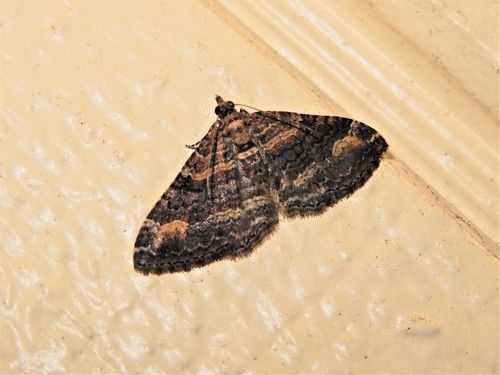
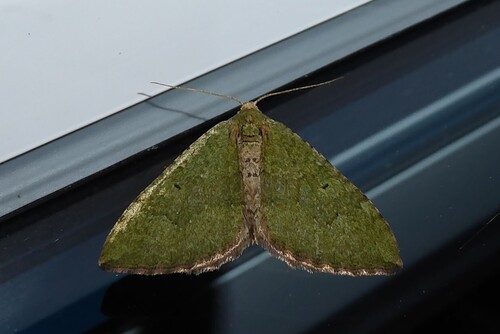
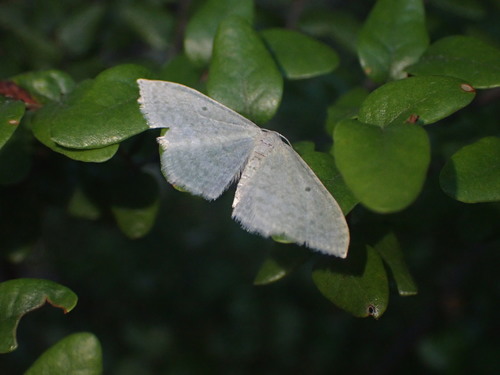
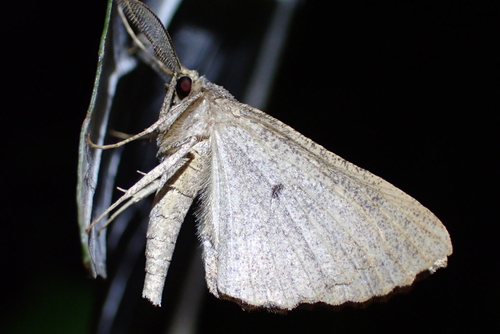
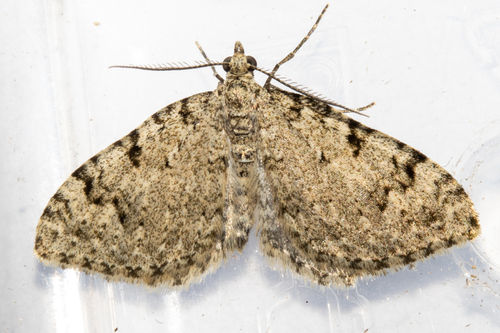
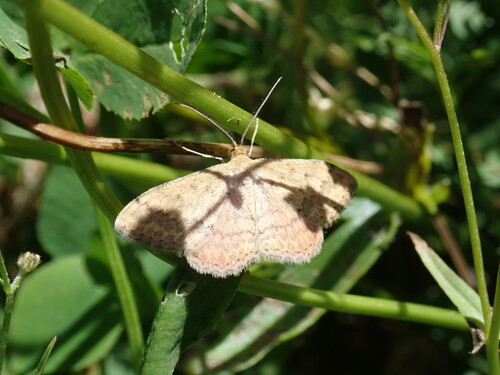
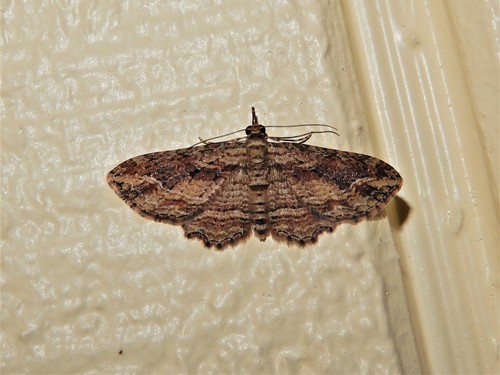
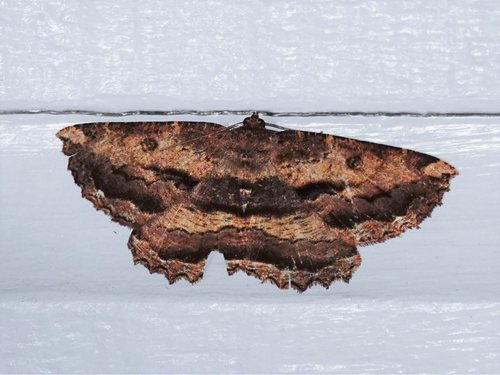
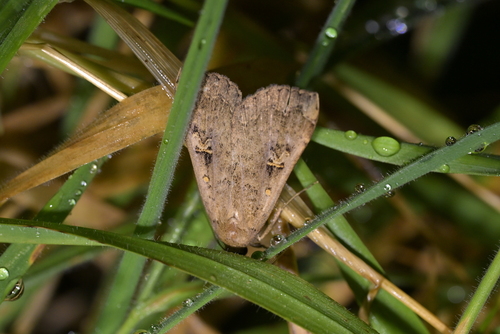
Epyaxa lucidata

Epyaxa lucidata

Epyaxa lucidata

Endemic
Daily sighting probability ~10% · With luck
at Abel Tasman National Park

In 3 days ~30% in a week ~60%

8 Verified sightings at Abel Tasman National Park From 2019 to 2026
8 In 1 park
July Best month
☀️🌙 Day & Night When it's spotted

About the Epyaxa lucidata

Epyaxa lucidata is a species of moth in the family Geometridae. It is endemic to New Zealand. This species was first described by Francis Walker in 1862 using material collected by Andrew Sinclair and named Larentia lucidata. In 1911 Edward Meyrick, thinking he was describing a new species, gave it the name Xanthorhoe practica. This name, along with Xanthorhoe robustaria, was synonymised with Xanthorhoe lucidata by L. B. Prout in 1939. Since then, the name has changed to Epyaxa Lucidata. The holotype specimen is held at the Natural History Museum, London.

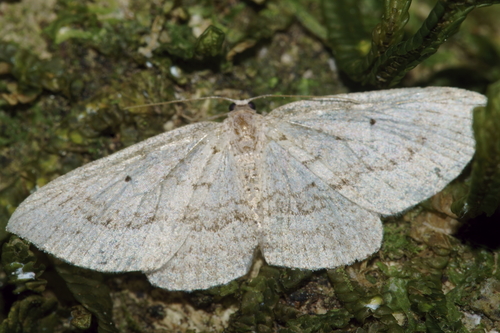
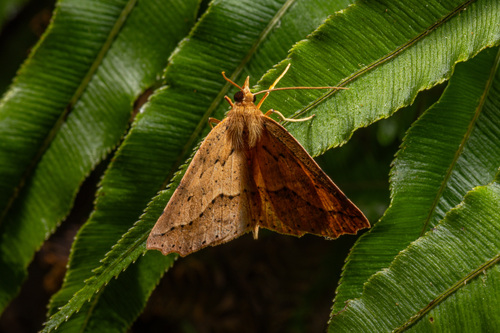
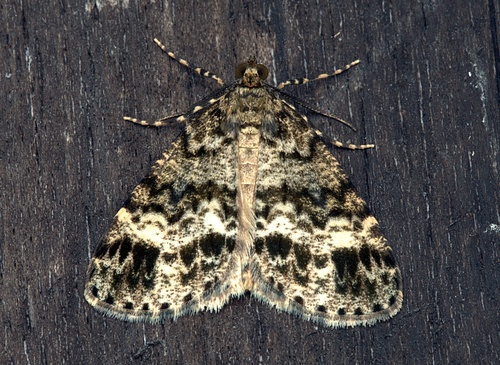
Epyaxa lucidata is a small moth with a body length of about 1 cm and a wingspan of around 20-30mm. They have a pattern similar to the bark of a tree and come in shades of gray and brown. Epyaxa lucidata belongs to the Geometridae family, which generally contains moths having slender bodies and broad wings held flat while the moth is at rest. The genus Epyaxa to which E. lucidata belongs is closely related to Helastia, another genus within Geometridae. Epyaxa moths can be distinguished from Helastia by the male antennal pectinations, which have their bases hidden by the preceding segment apex. Epyaxa... Wikipedia →

Global Distribution

Parks Where Found

# Park Country Daily sighting probability
1 Abel Tasman National Park 🇳🇿 New Zealand
~10%

More parks will be added in future updates.

Cities Where Found

# City Country Daily sighting probability
1 Auckland 🇳🇿 New Zealand
~20%

Before you go

What are the chances of seeing an Epyaxa lucidata in Abel Tasman National Park?

With luck

About 10% of wildlife watchers report an Epyaxa lucidata sighting in Abel Tasman National Park on a given day, based on 8 verified sightings from GBIF citizen-science data from 2019 to 2026. It is the 27th most-seen of the 64 insects we can rate there. Over three days the chance rises to about 30%, and over a week to about 60%, if each day is a fresh chance.

When is the best time to see an Epyaxa lucidata in Abel Tasman National Park?

July

In that month about 30% of wildlife watchers report an Epyaxa lucidata in Abel Tasman National Park on a given day, against under 5% in March–April, August–September and November, the lowest months.

What time of day is best to see an Epyaxa lucidata?

Between 8 and 11 pm

Across all the parks we cover, that three-hour window holds the most Epyaxa lucidata sightings with a recorded time, and about 6 in 10 of them come between 6 am and 6 pm: it is seen both by day and at night.

Where else can you see an Epyaxa lucidata?

Only Abel Tasman National Park, in our data

Abel Tasman National Park is the only park on Wallace's Line with enough records to rate Epyaxa lucidata sightings: about 10% of wildlife watchers there report one on a given day.

Where does the Epyaxa lucidata sighting chance come from?

GBIF citizen-science records

It is estimated from how often the Epyaxa lucidata is recorded against all the insects logged in Abel Tasman National Park (8 verified sightings from 2019 to 2026), calibrated against known sighting rates. Figures are rounded to the nearest 10% because citizen-science data supports honest approximations, not decimals, and months with records from fewer than five people show "—". How it works.

← Back to Abel Tasman National Park