
New Zealand Glowworm

New Zealand Glowworm

Arachnocampa luminosa

Endemic
Daily sighting probability ~10% · With luck
at Abel Tasman National Park

In 3 days ~30% in a week ~60%

8 Verified sightings at Abel Tasman National Park From 2019 to 2026
52 In all 3 parks
August Best month
☀️🌙 Day & Night When it's spotted

About the New Zealand Glowworm

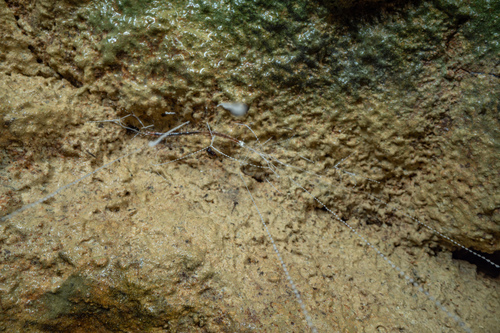
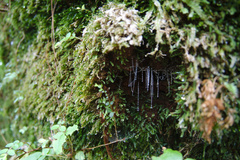
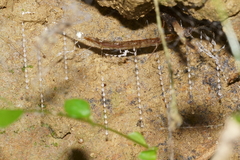
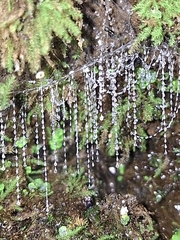
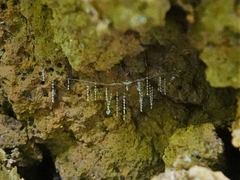
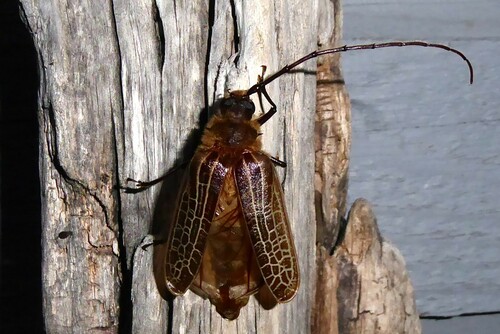
Arachnocampa luminosa (Skuse, 1891), commonly known as New Zealand glowworm or simply glowworm, is a species of fungus gnat solely endemic to New Zealand. The larval stage and the imago produce a blue-green bioluminescence. The species is known to dwell in caves and on sheltered banks in the native bush where humidity is high, as moisture helps to maintain their silk structures that capture prey. Its Māori names are pūrātoke, from the verb "to glow", and titiwai, meaning "lights reflected in water." This likely derives from the glowworms' presence near bodies of water, where their luminous displays are reflected.

Arachnocampa luminosa is widespread across both the North and the South Island of New Zealand, although populations generally occur in cave systems and in native bush where prey species are available and humidity is high. They shelter in caves or crevices that provide suitable darkness and protect their silk snares from air currents, near bodies of thick mud or still water where their insectine prey can breed.

Some sites have become popular destinations for tourists wanting to see the glowworms. These include the caves in Waitomo, Waipu, Inglewood... Wikipedia →

Global Distribution

Parks Where Found

# Park Country Daily sighting probability
1 Fiordland National Park 🇳🇿 New Zealand
~20%
2 Egmont National Park 🇳🇿 New Zealand
~10%
3 Abel Tasman National Park 🇳🇿 New Zealand
~10%

Cities Where Found

# City Country Daily sighting probability
1 Auckland 🇳🇿 New Zealand
~10%

Closest Relatives at Abel Tasman National Park

No species of the same family or order lives in Abel Tasman National Park, so these are its closest relatives here: other insects.

Before you go

What are the chances of seeing a New Zealand Glowworm in Abel Tasman National Park?

With luck

About 10% of wildlife watchers report a New Zealand Glowworm sighting in Abel Tasman National Park on a given day, based on 8 verified sightings from GBIF citizen-science data from 2019 to 2026. It is the 27th most-seen of the 64 insects we can rate there. Over three days the chance rises to about 30%, and over a week to about 60%, if each day is a fresh chance.

When is the best time to see a New Zealand Glowworm in Abel Tasman National Park?

May, August and October

In those months about 20% of wildlife watchers report a New Zealand Glowworm in Abel Tasman National Park on a given day, against under 5% in March, June–July, September and November–December, the lowest months.

What time of day is best to see a New Zealand Glowworm?

Between 8 and 11 pm

Across all the parks we cover, that three-hour window holds the most New Zealand Glowworm sightings with a recorded time, and about 6 in 10 of them come between 6 pm and 6 am: it is seen both by day and at night.

Is Abel Tasman National Park the best place to see a New Zealand Glowworm?

3rd of 3

Of the 3 parks where we can rate New Zealand Glowworm sightings, Abel Tasman National Park ranks 3rd at about 10%. The best odds are in Fiordland National Park (New Zealand, about 20%) and Egmont National Park (New Zealand, about 10%).

Where does the New Zealand Glowworm sighting chance come from?

GBIF citizen-science records

It is estimated from how often the New Zealand Glowworm is recorded against all the insects logged in Abel Tasman National Park (8 verified sightings from 2019 to 2026), calibrated against known sighting rates. Figures are rounded to the nearest 10% because citizen-science data supports honest approximations, not decimals, and months with records from fewer than five people show "—". How it works.

← Back to Abel Tasman National Park