Confusing Furrow Bee

Confusing Furrow Bee

Halictus confusus

Daily sighting probability <5% · Rare
at Acadia National Park

In 3 days ~10% in a week ~30%

6 Verified sightings at Acadia National Park From 2019 to 2026
6 In 1 park
August Best month
☀️ Diurnal When it's spotted

About the Confusing Furrow Bee

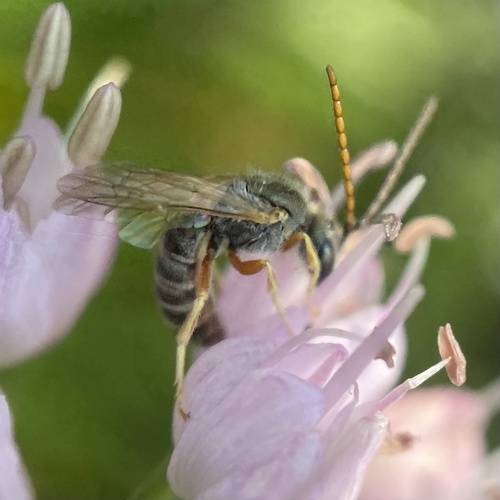
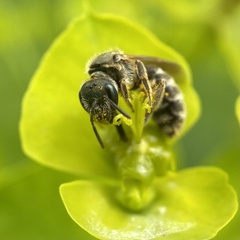
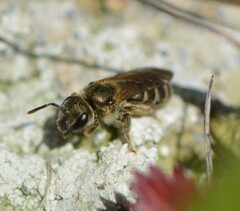
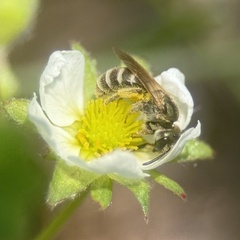
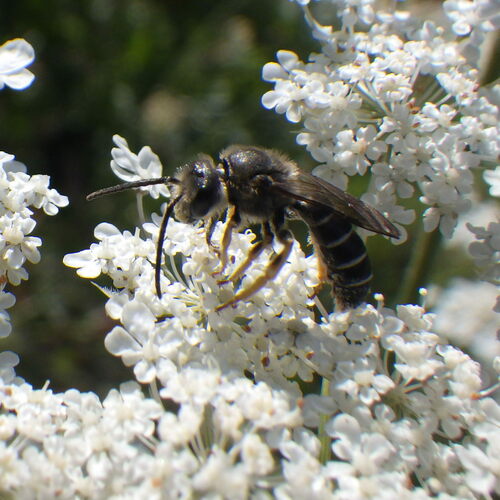
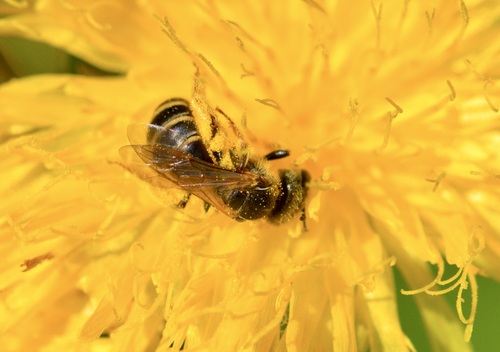
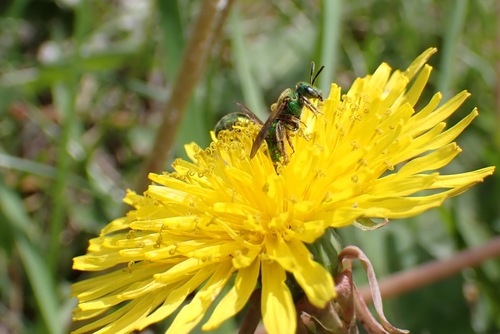
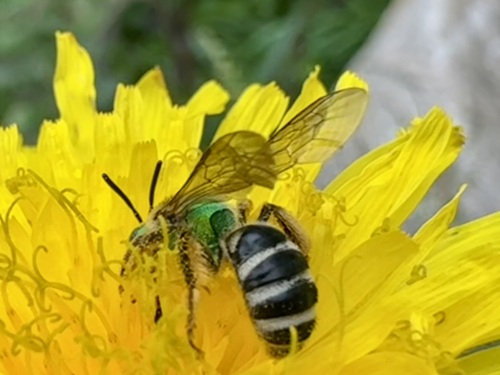
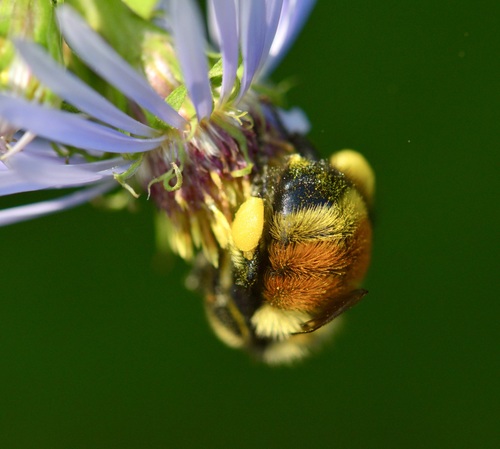
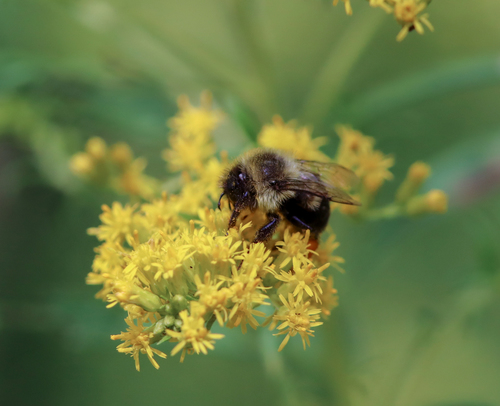
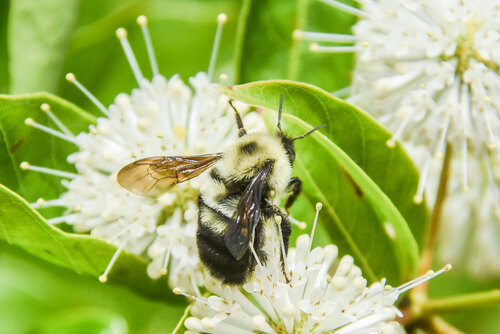
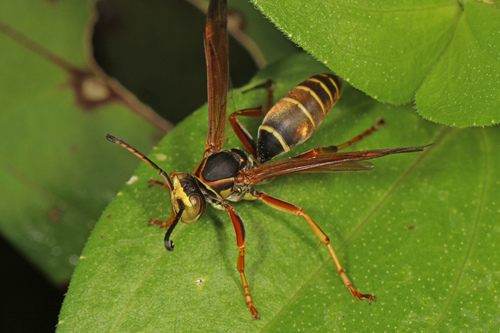
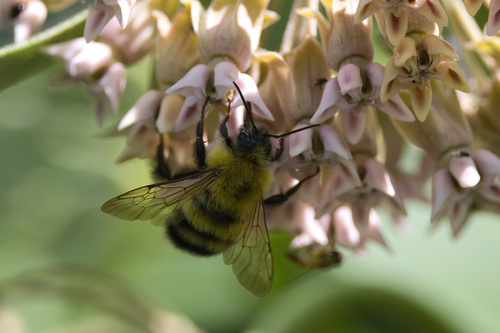
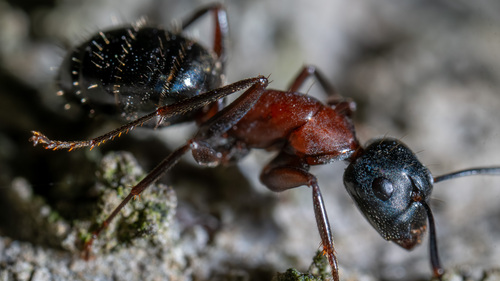
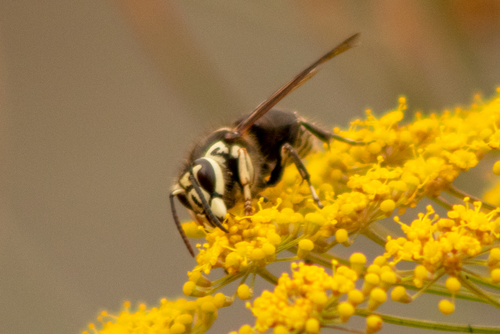
Halictus confusus, the southern bronze furrow bee or confused sweat bee, is a species of sweat bee in the family Halictidae. It is a primitively eusocial bee species found in open habitats in Eurasia and North America. Halictus confusus is 7 millimetres (0.28 in) in length, the forewing is 5.5 millimetres (0.22 in) long. Females have a greenish head and thorax, darkening to blackish on the clypeus and black on the abdomen, with metallic greenish highlights. The legs are blackish, becoming reddish distally. The head is slightly broader than long, with the eyes slightly converging ventrally and the clypeus obviously protruding. The wings are hyaline, with yellow venation, and the tegulae are yellowish anteriorly and otherwise reddish. Males are generally similar, but the mandibles, labrum, and outer third of the clypeus are yellow, the wing venation is more reddish, and the legs have a narrow outer yellowish stripe on the tibia and yellowish tarsi. In Britain and Europe this species could easily be confused with Halictus tumulorum and can only be reliably separated by examining the genitalia of the males; more subtle features are that fresh female H. confusus have wider... Wikipedia →

Global Distribution

Parks Where Found

# Park Country Daily sighting probability
1 Acadia National Park 🇺🇸 United States
<5%

More parks will be added in future updates.

Cities Where Found

# City Country Daily sighting probability
1 Minneapolis [Saint Paul] 🇺🇸 United States
~10%
2 Baltimore 🇺🇸 United States
<5%
3 New York City 🇺🇸 United States
<5%
4 Boston 🇺🇸 United States
<5%
5 Philadelphia 🇺🇸 United States
<5%
6 Toronto 🇨🇦 Canada
<5%
7 Montreal 🇨🇦 Canada
<5%
8 Washington 🇺🇸 United States
<5%
9 Edmonton 🇨🇦 Canada
<5%
10 Calgary 🇨🇦 Canada
<5%

Before you go

What are the chances of seeing a Confusing Furrow Bee in Acadia National Park?

Rare

Under 5% of wildlife watchers report a Confusing Furrow Bee sighting in Acadia National Park on a given day, based on 6 verified sightings from GBIF citizen-science data from 2019 to 2026. It is the 304th most-seen of the 405 insects we can rate there. Over three days the chance rises to about 10%, and over a week to about 30%, if each day is a fresh chance.

When is the best time to see a Confusing Furrow Bee in Acadia National Park?

July and August

In those months about 10% of wildlife watchers report a Confusing Furrow Bee in Acadia National Park on a given day, against under 5% in September to June, the lowest months.

What time of day is best to see a Confusing Furrow Bee?

Between noon and 3 pm

Across all the parks we cover, that three-hour window holds the most Confusing Furrow Bee sightings with a recorded time, and nearly all of them come between 6 am and 6 pm: it is a daytime animal.

Where else can you see a Confusing Furrow Bee?

Only Acadia National Park, in our data

Acadia National Park is the only park on Wallace's Line with enough records to rate Confusing Furrow Bee sightings: under 5% of wildlife watchers there report one on a given day.

Which relatives of the Confusing Furrow Bee live in Acadia National Park?

Same genus: Halictus

The closest relatives of the Confusing Furrow Bee that you can see in Acadia National Park (genus Halictus, Furrow Bees) are Orange-Legged Furrow Bee (about 10%) and Ligated Furrow Bee (about 10%), with each one's daily chance of a sighting.

Where does the Confusing Furrow Bee sighting chance come from?

GBIF citizen-science records

It is estimated from how often the Confusing Furrow Bee is recorded against all the insects logged in Acadia National Park (6 verified sightings from 2019 to 2026), calibrated against known sighting rates. Figures are rounded to the nearest 10% because citizen-science data supports honest approximations, not decimals, and months with records from fewer than five people show "—". How it works.

← Back to Acadia National Park