Tucuxi

Tucuxi

Sotalia fluviatilis

Silhouette: Chris huh · PhyloPic

LCNTVUENEndangeredCR
Daily sighting probability ~30% · Possible
at Amacayacu National Natural Park

In 3 days ~70% in a week ~90%

15 Verified sightings at Amacayacu National Natural Park From 2019 to 2026
21 In all 2 parks
December Best month
☀️ Diurnal When it's spotted

About the Tucuxi

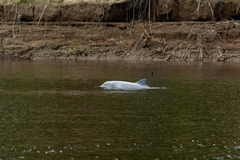
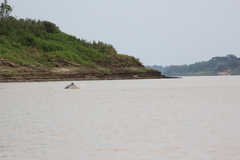
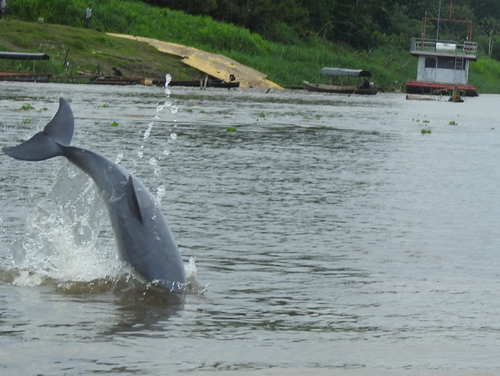
The tucuxi (Sotalia fluviatilis), alternatively known in Peru bufeo gris or bufeo negro, is a species of freshwater dolphin found in the rivers of the Amazon basin. The word tucuxi is derived from the Tupi language word tuchuchi-ana, and has now been adopted as the species' common name. Despite being found in geographic locations similar to those of 'true' river dolphins such as the boto, the tucuxi is not closely related to them genetically. Instead, it is classed in the oceanic dolphin family, Delphinidae.

Physically, the species resembles the bottlenose dolphins, but differs sufficiently to be placed in a separate genus, Sotalia. The Guiana dolphin (Sotalia guianensis), a related dolphin present in coastal and estuarine environments and formerly grouped together with the tucuxi, have recently been recognized as a distinct species.

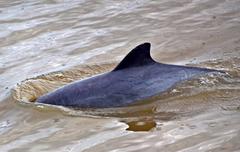
The tucuxi is frequently described (see references below) as looking similar to the bottlenose dolphin, but it is typically smaller at around 1.5 m (4 ft 11 in). The dolphin is colored light to bluish grey on its back and sides. The ventral region is much lighter, often pinkish. It is theorized that this pinkish color may be caused or... Wikipedia →
Global Distribution

Parks Where Found

# Park Country Daily sighting probability
1 Amacayacu National Natural Park 🇨🇴 Colombia
~30%
2 Anavilhanas National Park 🇧🇷 Brazil
~20%

Before you go

What are the chances of seeing a Tucuxi in Amacayacu National Natural Park?

Possible

About 30% of wildlife watchers report a Tucuxi sighting in Amacayacu National Natural Park on a given day, based on 15 verified sightings from GBIF citizen-science data from 2019 to 2026. It is the 3rd most-seen of the 9 mammals we can rate there. Over three days the chance rises to about 70%, and over a week to about 90%, if each day is a fresh chance.

When is the best time to see a Tucuxi in Amacayacu National Natural Park?

December

In that month about 60% of wildlife watchers report a Tucuxi in Amacayacu National Natural Park on a given day, against under 5% in May, the lowest month.

What time of day is best to see a Tucuxi?

Between 2 and 5 pm

Across all the parks we cover, that three-hour window holds the most Tucuxi sightings with a recorded time, and about 9 in 10 of them come between 6 am and 6 pm: it is a daytime animal.

Is Amacayacu National Natural Park the best place to see a Tucuxi?

Yes

Of the 2 parks where we can rate Tucuxi sightings, Amacayacu National Natural Park has the highest daily chance: about 30%. Next come Anavilhanas National Park (Brazil, about 20%).

Where does the Tucuxi sighting chance come from?

GBIF citizen-science records

It is estimated from how often the Tucuxi is recorded against all the mammals logged in Amacayacu National Natural Park (15 verified sightings from 2019 to 2026), calibrated against known sighting rates. Figures are rounded to the nearest 10% because citizen-science data supports honest approximations, not decimals, and months with records from fewer than five people show "—". How it works.

← Back to Amacayacu National Natural Park