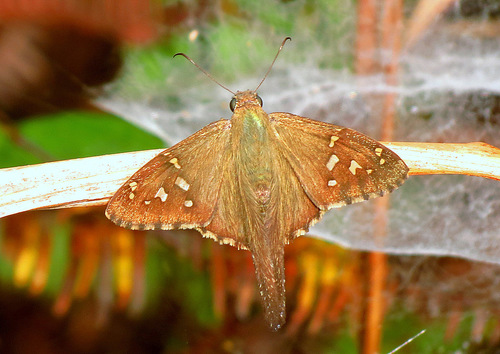
Brazilian Skipper

Brazilian Skipper

Calpodes ethlius

Daily sighting probability ~10% · With luck
at Arenal Volcano National Park

In 3 days ~20% in a week ~30%

7 Verified sightings at Arenal Volcano National Park From 2019 to 2026
25 In all 3 parks
August Best month
☀️ Diurnal When it's spotted

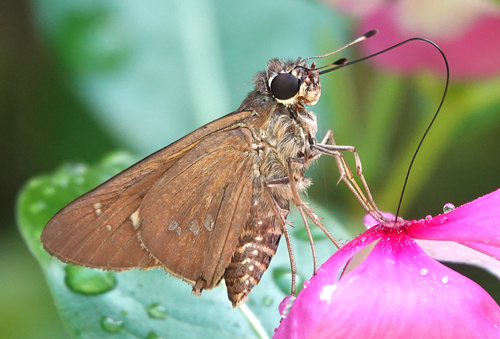
About the Brazilian Skipper

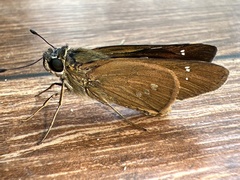
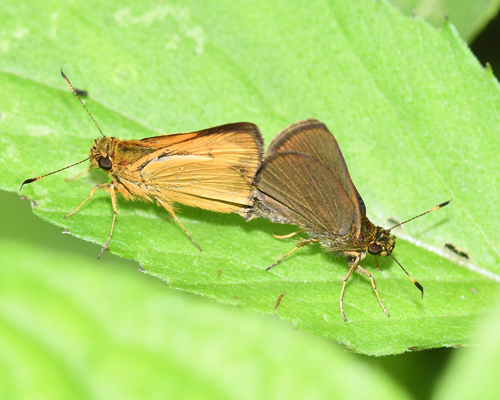
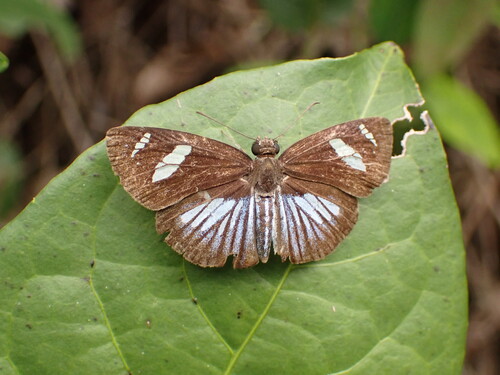
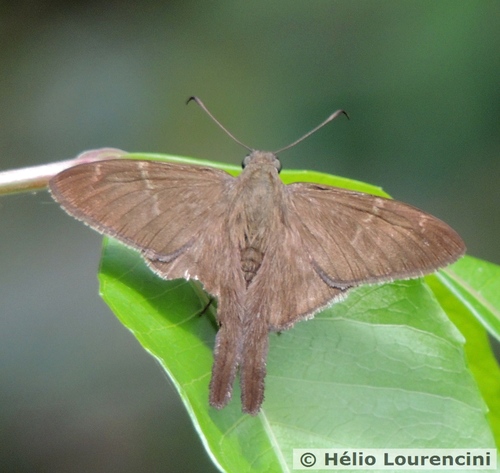
Calpodes ethlius, the Brazilian skipper, larger canna leafroller or canna skipper, is a butterfly of the family Hesperiidae. It is found in the United States from southern Florida and southern Texas, south through the West Indies, Mexico, and Central America to Argentina. Strays and temporary colonies can be found north to southern Nevada, northern Texas, Illinois and Massachusetts.

The wingspan is 45–61 mm. Adults are on wing in late summer in the north. There are several generations from April to December in southern Texas, two generations from July to November in Arizona. Adults are on wing throughout the year in Florida and the tropics.

Adults feed on Lantana in Arizona. In Costa Rica, adults have been recorded feeding on the nectar from large white or pale yellow flowers of woody lianas, trees and shrubs. Larval hosts include Canna spp., in which the larvae roll or fold the ends of leaves into tents. Wikipedia →
Global Distribution

Parks Where Found

# Park Country Daily sighting probability
1 Big Cypress National Preserve 🇺🇸 United States
~10%
2 Arenal Volcano National Park 🇨🇷 Costa Rica
~10%
3 Everglades National Park 🇺🇸 United States
~10%

Cities Where Found

# City Country Daily sighting probability
1 Santo Domingo 🇩🇴 Dominican Republic
~10%
2 Houston 🇺🇸 United States
~10%
3 San Antonio 🇺🇸 United States
~10%
4 Miami 🇺🇸 United States
~10%
5 Dallas 🇺🇸 United States
<5%
6 Austin 🇺🇸 United States
<5%
7 Orlando 🇺🇸 United States
<5%
8 Bogota 🇨🇴 Colombia
<5%

Before you go

What are the chances of seeing a Brazilian Skipper in Arenal Volcano National Park?

With luck

About 10% of wildlife watchers report a Brazilian Skipper sighting in Arenal Volcano National Park on a given day, based on 7 verified sightings from GBIF citizen-science data from 2019 to 2026. It is the 198th most-seen of the 302 insects we can rate there. Over three days the chance rises to about 20%, and over a week to about 30%, if each day is a fresh chance.

When is the best time to see a Brazilian Skipper in Arenal Volcano National Park?

March, July–September and November

In those months about 10% of wildlife watchers report a Brazilian Skipper in Arenal Volcano National Park on a given day, against under 5% in April–June, October and December–February, the lowest months.

What time of day is best to see a Brazilian Skipper?

Between 7 and 10 am

Across all the parks we cover, that three-hour window holds the most Brazilian Skipper sightings with a recorded time, and about 9 in 10 of them come between 6 am and 6 pm: it is a daytime animal.

Is Arenal Volcano National Park the best place to see a Brazilian Skipper?

Among the best

Of the 3 parks where we can rate Brazilian Skipper sightings, Arenal Volcano National Park ranks 2nd at about 10%, level with the leaders once rounded. The best odds are in Big Cypress National Preserve (United States, about 10%).

Which relatives of the Brazilian Skipper live in Arenal Volcano National Park?

Same family: Hesperiidae

The closest relatives of the Brazilian Skipper that you can see in Arenal Volcano National Park (family Hesperiidae, Skippers) are Trailside Skipper (about 10%), Pythonides jovianus (about 10%) and Plain Longtail (about 10%), with each one's daily chance of a sighting.

Where does the Brazilian Skipper sighting chance come from?

GBIF citizen-science records

It is estimated from how often the Brazilian Skipper is recorded against all the insects logged in Arenal Volcano National Park (7 verified sightings from 2019 to 2026), calibrated against known sighting rates. Figures are rounded to the nearest 10% because citizen-science data supports honest approximations, not decimals, and months with records from fewer than five people show "—". How it works.

← Back to Arenal Volcano National Park