City
Santo Domingo
🇩🇴 Dominican Republic
Central America, Dominican Republic 204 spp. recorded
Santo Domingo, officially known as Santo Domingo de Guzmán, is the capital and largest city of the Dominican Republic and the largest metropolitan area in the Caribbean by population. The city is coterminous with the boundaries of the Distrito Nacional, itself bordered on three sides by Santo Domingo Province. Wikipedia
18.482° N 69.852° W
🦜 Nature

204 Species sighted
26,427 Verified sightings From 2019 to 2026
Nov Best month
⭐ Iconic Species



📊 Most Spotted






📊 Most Spotted



LC
Brown Rat
Rattus norvegicus

 Mongoose
Herpestes javanicus
⭐ Iconic Species
📊 Most Spotted


⭐ Iconic Species
📊 Most Spotted




📊 Most Spotted


 American Bullfrog
Lithobates catesbeianus
NT
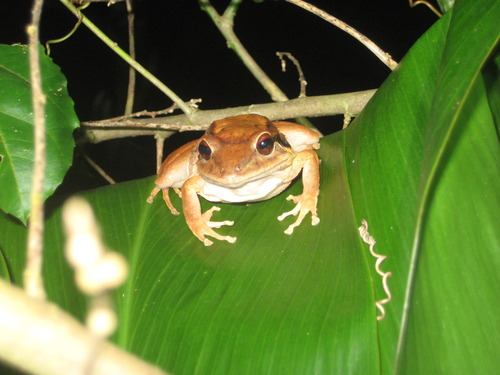
 Hispaniolan Giant Frog
Eleutherodactylus inoptatus
📊 Most Spotted
🌙 Most active after dark




LC
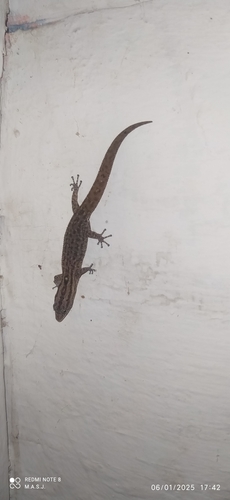
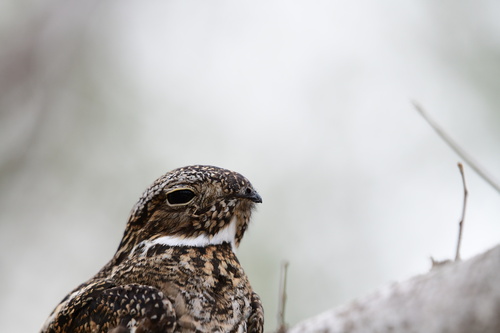
 Antillean House Gecko
Hemidactylus angulatus
LC Endemic
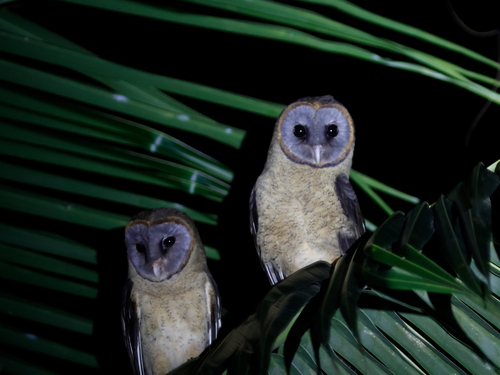
 Ashy-faced Owl
Tyto glaucops
Recent sightings in Santo Domingo
LIVEiNaturalistWhere to look
Warmer areas are where all species together are recorded most often.
-
Dominican Fiesta Hotel
-
Parque Mirador del Sur
-
Parque Zoologico Nacional
-
El Embajador parakeet roost
-
Parque Mirador del Norte
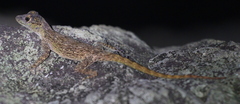


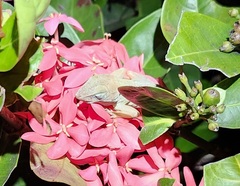
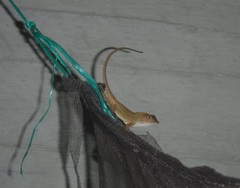


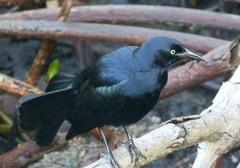








Sighting Calendar
How many species you'd see in a day
39Jan
38Feb
38Mar
36Apr
38May
36Jun
35Jul
34Aug
38Sep
42Oct
44Nov
39Dec
🏙️ City
Essentials
Green cover
High
Protected land
2%
Protected sea
1%
Protected areas
7
areasWildlife spots
7
spotsZoos & centres
2
placesClimate
Tropical monsoon
Climate
Temp °C Rain mm
JanFebMarAprMayJunJulAugSepOctNovDec


0.0 World-class
Wallace's Line Score
How good is this city for seeing wildlife? 🦜
Biodiversity
GoodHow rich is the wildlife?
3.3
Species by taxon
🦅 Birds 288
🐒 Mammals 53
🦎 Reptiles 68
🐸 Amphibians 11
420 Total Species
679 Global average across 380 cities
38 Threatened 12 Endemic
🔭
Sighting
ExcellentHow likely to see animals?
5.0
🎯
Top-12 Avg Probability
80% 📊
Coverage (100 species at ≥5% of 420 in the inventory)
24% 🔀
Taxon variety in top 12 (10 bird, 2 reptile)
37% 🌟
Iconic-group species (≥15%) (every species from the 19 iconic groups — monkeys, cats, toucans, macaws, sloths, crocodilians… — not just the 4 highlighted above)
2 ⭐
High-prob species (>40%)
27 🏕️
Experience
ExcellentHow easy and pleasant is the visit?
4.5
Climate Pleasant High
Green cover High High
Protected land & sea 2% land · 1% sea Medium
Protected areas 7 High
Wildlife spots 7 Medium
Zoos & centres 2 High
What visitors say
Before you go
What animals can you see in Santo Domingo?
204 species
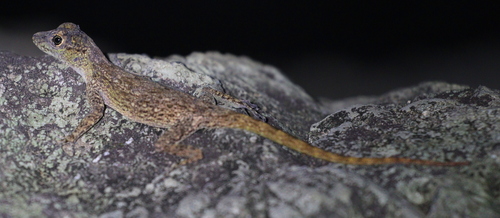
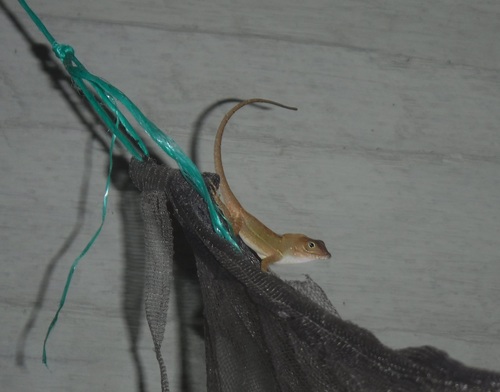
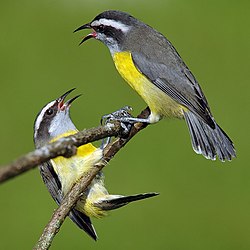
Santo Domingo's urban area has 204 recorded vertebrate species. The ones wildlife watchers report most often on a given day are Palmchat (about 90%), Hispaniolan Woodpecker (about 90%), Bananaquit (about 90%), Northern Mockingbird (about 80%) and Bark Anole (about 80%). Among mammals, the most-seen is Jamaican Fruit-eating Bat (about 20%); among amphibians, Hispaniolan Common Treefrog (about 30%).
When is the best time to see wildlife in Santo Domingo?
July and October–May
In those months the city's 12 most-seen species average about 80% on a given day, against about 70% in June and August–September.
Can you see a Palmchat in Santo Domingo?
Yes
About 90% of wildlife watchers report a Palmchat sighting in Santo Domingo on a given day, based on 1,346 verified sightings from GBIF citizen-science data from 2019 to 2026. The best time is May, July and November (over 90%).
Can you see a Hispaniolan Woodpecker in Santo Domingo?
Yes
About 90% of wildlife watchers report a Hispaniolan Woodpecker sighting in Santo Domingo on a given day, based on 1,270 verified sightings from GBIF citizen-science data from 2019 to 2026. The best time is January–March, May–July and September–November (about 90%).
Can you see a Hispaniolan Parakeet in Santo Domingo?
Yes
About 80% of wildlife watchers report a Hispaniolan Parakeet sighting in Santo Domingo on a given day, based on 1,150 verified sightings from GBIF citizen-science data from 2019 to 2026. The best time is July (about 90%).
Where in Santo Domingo is wildlife easiest to see?
Jardín Botánico Nacional
The spot where most wildlife watchers record their sightings is Jardín Botánico Nacional (105 bird species recorded), followed by Dominican Fiesta Hotel and Parque Mirador del Sur. See them on the map.
Is Santo Domingo good for wildlife watching?
4.5 out of 5
On the Wallace's Line Score, which rates each city against other cities, Santo Domingo gets 4.5/5: 90th of 380 cities worldwide and 2nd in Central America. 29 of its species are reported by about 40% or more of wildlife watchers on a given day.
Nearest Cities


Nearest Parks


Nearest Zoos & Centres

Sources: urban area GHSL Urban Centre Database R2024A, European Commission JRC (CC BY 4.0) · protected land WDPA, UNEP-WCMC & IUCN (via GHSL) · climate NASA POWER · wildlife GBIF.org citizen-science data