Clock Cicada

Clock Cicada

Kikihia horologium

Daily sighting probability ~10% · With luck
at Arthur's Pass National Park

In 3 days ~40% in a week ~70%

9 Verified sightings at Arthur's Pass National Park From 2019 to 2026
9 In 1 park
December Best month
☀️ Diurnal When it's spotted

About the Clock Cicada

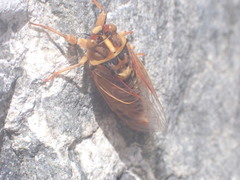
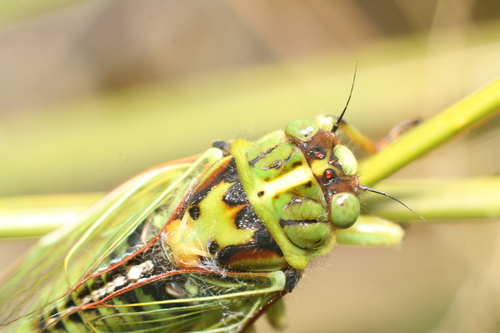
Kikihia horologium, commonly known as the clock cicada, is a species of cicada that is endemic to New Zealand. This species was first described by Charles Fleming in 1984. Kikihia horologium is characterised by its bright green colouration with distinct dark markings on the head. A key identification feature is a yellow line running down the head and a silver stripe atop the abdomen. The venter, or underside, is entirely green. The mesonotum, or middle section of the thorax, has posterior spots that are distinct from the outer diamond-shaped markings.

Cicadas are classified as pterygote, or winged, insects within the subclass Exopterygota, meaning they undergo hemimetabolous, or incomplete, metamorphosis. This process results in gradually developing adult features with each moult. Nymphs and adults of cicadas exhibit significant morphological differences. Nymphs, which are wingless, have powerful forelegs adapted for digging, a single claw per tarsus and underdeveloped wing buds. In contrast, adult cicadas possess long, slender legs, two claws per tarsus, and fully-formed wings.

Kikihia species, like many other cicada species in New Zealand, are distinguished by their... Wikipedia →
Global Distribution

Parks Where Found

# Park Country Daily sighting probability
1 Arthur's Pass National Park 🇳🇿 New Zealand
~10%

More parks will be added in future updates.

Before you go

What are the chances of seeing a Clock Cicada in Arthur's Pass National Park?

With luck

About 10% of wildlife watchers report a Clock Cicada sighting in Arthur's Pass National Park on a given day, based on 9 verified sightings from GBIF citizen-science data from 2019 to 2026. It is the 20th most-seen of the 60 insects we can rate there. Over three days the chance rises to about 40%, and over a week to about 70%, if each day is a fresh chance.

When is the best time to see a Clock Cicada in Arthur's Pass National Park?

December and January

In those months about 20% of wildlife watchers report a Clock Cicada in Arthur's Pass National Park on a given day, against under 5% in April to November, the lowest months.

What time of day is best to see a Clock Cicada?

Between 11 am and 2 pm

Across all the parks we cover, that three-hour window holds the most Clock Cicada sightings with a recorded time, and about 9 in 10 of them come between 6 am and 6 pm: it is a daytime animal.

Where else can you see a Clock Cicada?

Only Arthur's Pass National Park, in our data

Arthur's Pass National Park is the only park on Wallace's Line with enough records to rate Clock Cicada sightings: about 10% of wildlife watchers there report one on a given day.

Which relatives of the Clock Cicada live in Arthur's Pass National Park?

Same order: Hemiptera

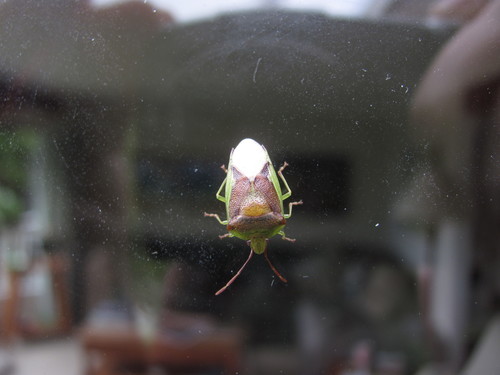
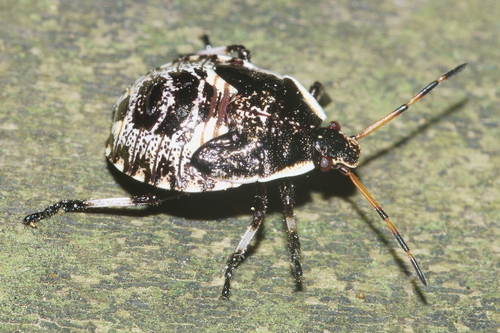
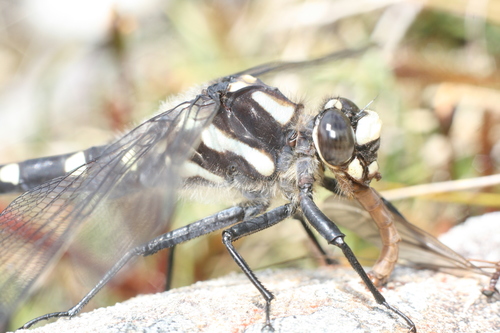
The closest relatives of the Clock Cicada that you can see in Arthur's Pass National Park (order Hemiptera, True Bugs, Hoppers, Aphids, and allies) are Forest Shield Bug (about 20%), Brown Soldier Bug (about 10%) and Andes maculifrons (about 10%), with each one's daily chance of a sighting.

Where does the Clock Cicada sighting chance come from?

GBIF citizen-science records

It is estimated from how often the Clock Cicada is recorded against all the insects logged in Arthur's Pass National Park (9 verified sightings from 2019 to 2026), calibrated against known sighting rates. Figures are rounded to the nearest 10% because citizen-science data supports honest approximations, not decimals, and months with records from fewer than five people show "—". How it works.

← Back to Arthur's Pass National Park