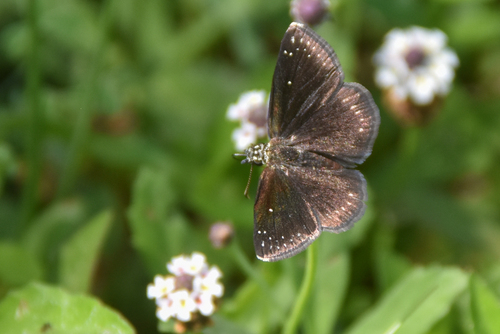
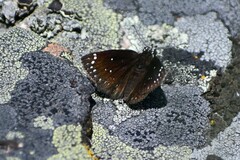
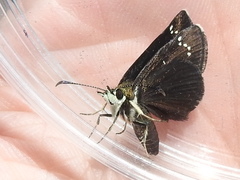
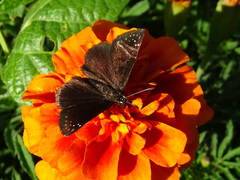
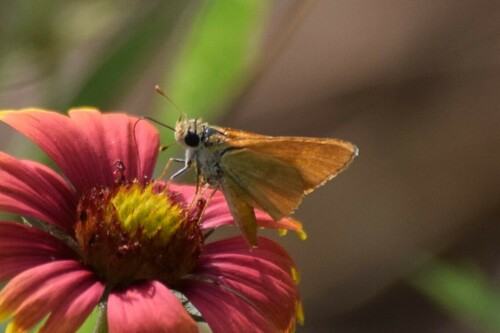
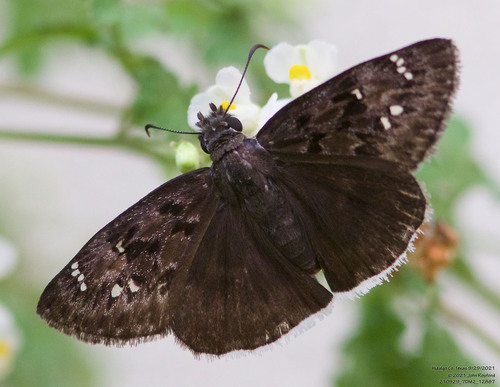
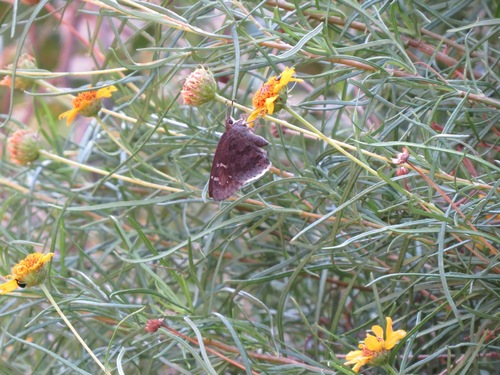
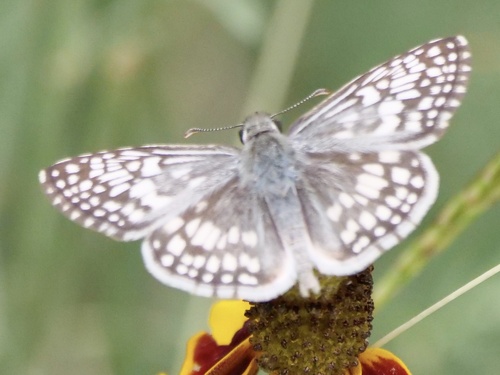
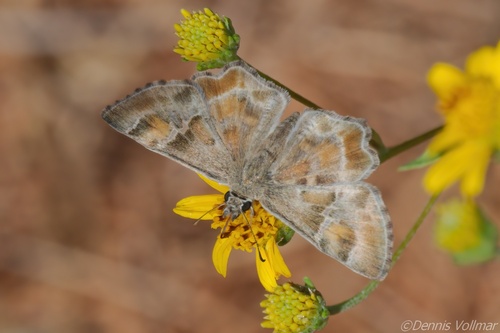
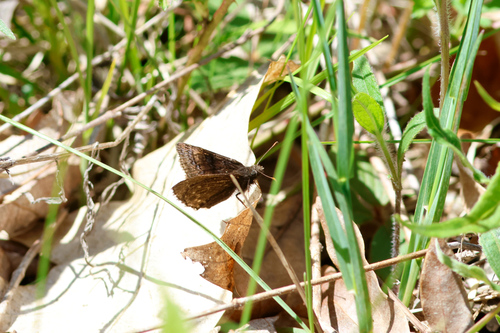
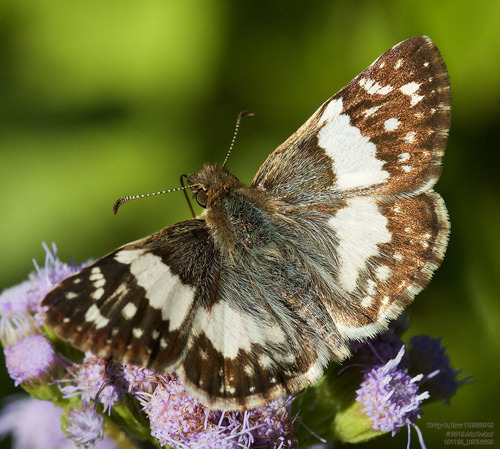
Common Sootywing

Common Sootywing

Pholisora catullus

Daily sighting probability ~10% · With luck
at Big Bend National Park

In 3 days ~20% in a week ~40%

15 Verified sightings at Big Bend National Park From 2019 to 2026
37 In all 3 parks
August Best month
☀️ Diurnal When it's spotted

About the Common Sootywing

Pholisora catullus, the common sootywing or roadside rambler, is a butterfly of the family Hesperiidae. It is found from the central parts of the United States, south to central Mexico. Strays may colonize up to southern British Columbia, northern Michigan, southern Quebec and southern Maine. It is not found on peninsular Florida.

The wingspan is 25–33 mm. There are two generations with adults on wing from May to August in the northern part of its range and from March to November in Texas. The larvae feed on Chenopodium album, Amaranthus and Celosia species. Adults feed on flower nectar from various flowers, including dogbane, marjoram, oxalis, white clover, common milkweed, peppermint, cucumber and melon. Wikipedia →

Global Distribution

Parks Where Found

# Park Country Daily sighting probability
1 Bahía de Loreto National Park 🇲🇽 Mexico
~10%
2 Big Bend National Park 🇺🇸 United States
~10%
3 Saguaro National Park 🇺🇸 United States
<5%

Cities Where Found

# City Country Daily sighting probability
1 Sacramento 🇺🇸 United States
~10%
2 Baltimore 🇺🇸 United States
~10%
3 Philadelphia 🇺🇸 United States
~10%
4 Torreón 🇲🇽 México
~10%
5 Monterrey 🇲🇽 México
<5%
6 New York City 🇺🇸 United States
<5%
7 San Antonio 🇺🇸 United States
<5%
8 Washington 🇺🇸 United States
<5%
9 Chicago 🇺🇸 United States
<5%
10 Denver 🇺🇸 United States
<5%

Before you go

What are the chances of seeing a Common Sootywing in Big Bend National Park?

With luck

About 10% of wildlife watchers report a Common Sootywing sighting in Big Bend National Park on a given day, based on 15 verified sightings from GBIF citizen-science data from 2019 to 2026. It is the 141st most-seen of the 329 insects we can rate there. Over three days the chance rises to about 20%, and over a week to about 40%, if each day is a fresh chance.

When is the best time to see a Common Sootywing in Big Bend National Park?

August

In that month about 20% of wildlife watchers report a Common Sootywing in Big Bend National Park on a given day, against under 5% in October to March, the lowest months. That is one of Big Bend National Park's wettest months, with about 45 mm of rain against 10 mm in April.

What time of day is best to see a Common Sootywing?

Between 10 am and 1 pm

Across all the parks we cover, that three-hour window holds the most Common Sootywing sightings with a recorded time, and nearly all of them come between 6 am and 6 pm: it is a daytime animal.

Is Big Bend National Park the best place to see a Common Sootywing?

Among the best

Of the 3 parks where we can rate Common Sootywing sightings, Big Bend National Park ranks 2nd at about 10%, level with the leaders once rounded. The best odds are in Bahía de Loreto National Park (Mexico, about 10%).

Which relatives of the Common Sootywing live in Big Bend National Park?

Same family: Hesperiidae

The closest relatives of the Common Sootywing that you can see in Big Bend National Park (family Hesperiidae, Skippers) are Orange Skipperling (about 30%), Mournful Duskywing (about 10%) and Golden-Headed Scallopwing (about 10%), with each one's daily chance of a sighting.

Where does the Common Sootywing sighting chance come from?

GBIF citizen-science records

It is estimated from how often the Common Sootywing is recorded against all the insects logged in Big Bend National Park (15 verified sightings from 2019 to 2026), calibrated against known sighting rates. Figures are rounded to the nearest 10% because citizen-science data supports honest approximations, not decimals, and months with records from fewer than five people show "—". How it works.

← Back to Big Bend National Park