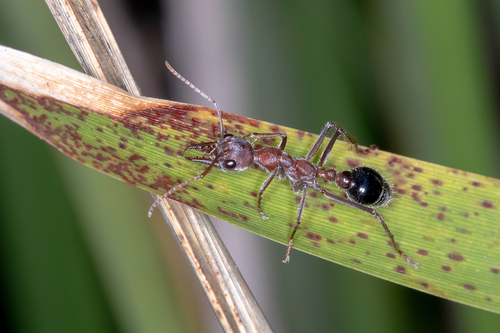
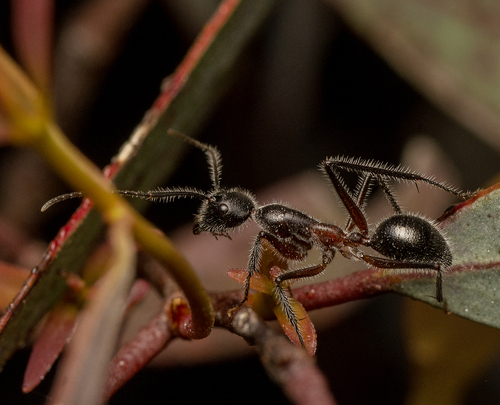
Charcoal Stingless Bee

Charcoal Stingless Bee

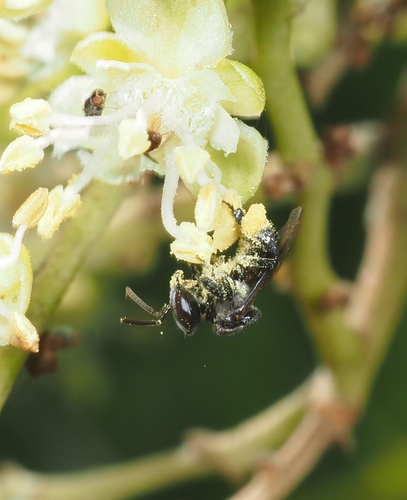
Tetragonula carbonaria

Daily sighting probability ~10% · With luck
at Blue Mountains National Park

In 3 days ~40% in a week ~70%

65 Verified sightings at Blue Mountains National Park From 2019 to 2026
91 In all 3 parks
March Best month
☀️ Diurnal When it's spotted

About the Charcoal Stingless Bee

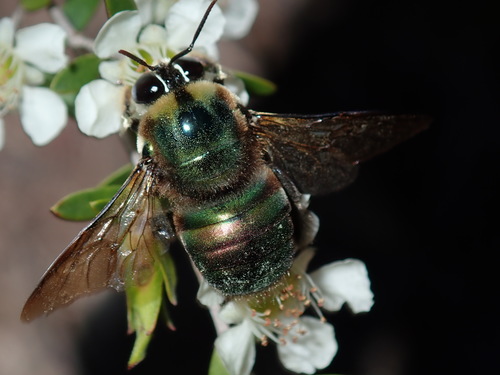
Tetragonula carbonaria (previously known as Trigona carbonaria) is a stingless bee, endemic to the north-east coast of Australia. Its common name is sugarbag bee. They are also occasionally referred to as bush bees. The bee is known to pollinate orchid species, such as Dendrobium lichenastrum, D. toressae, and D. speciosum. It has been identified as an insect that collects pollen from the cycad Cycas media. They are also known for their small body size, reduced wing venation, and highly developed social structure comparable to honey bees.

Tetragonula carbonaria produce edible honey, which they store in pots in the nest made from propolis. These pots are referred to as sugarbags, giving the bees their common name of sugarbag bees. These pots and the whole nest are eaten by some Indigenous Australian communities as bush tucker. The bees themselves are also important cultural symbols for many Indigenous Australians.

Twenty-one genera of stingless bees (family Apidae) are described worldwide. As the name would suggest, the stings of these bees are vestigial and useless in defence. About 14 species are found in Australia, mostly in the tropical north. T. carbonaria... Wikipedia →

Global Distribution

Parks Where Found

# Park Country Daily sighting probability
1 Blue Mountains National Park 🇦🇺 Australia
~10%
2 Royal National Park 🇦🇺 Australia
~10%
3 Springbrook National Park 🇦🇺 Australia
~10%

Cities Where Found

# City Country Daily sighting probability
1 Sydney 🇦🇺 Australia
~10%
2 Brisbane 🇦🇺 Australia
<5%

Before you go

What are the chances of seeing a Charcoal Stingless Bee in Blue Mountains National Park?

With luck

About 10% of wildlife watchers report a Charcoal Stingless Bee sighting in Blue Mountains National Park on a given day, based on 65 verified sightings from GBIF citizen-science data from 2019 to 2026. It is the 33rd most-seen of the 789 insects we can rate there. Over three days the chance rises to about 40%, and over a week to about 70%, if each day is a fresh chance.

When is the best time to see a Charcoal Stingless Bee in Blue Mountains National Park?

January, March and September–November

In those months about 20% of wildlife watchers report a Charcoal Stingless Bee in Blue Mountains National Park on a given day, against under 5% in May to July, the lowest months.

What time of day is best to see a Charcoal Stingless Bee?

Between noon and 3 pm

Across all the parks we cover, that three-hour window holds the most Charcoal Stingless Bee sightings with a recorded time, and nearly all of them come between 6 am and 6 pm: it is a daytime animal.

Is Blue Mountains National Park the best place to see a Charcoal Stingless Bee?

Yes

Of the 3 parks where we can rate Charcoal Stingless Bee sightings, Blue Mountains National Park has the highest daily chance: about 10%. Next come Royal National Park (Australia, about 10%) and Springbrook National Park (Australia, about 10%).

Which relatives of the Charcoal Stingless Bee live in Blue Mountains National Park?

Same family: Apidae

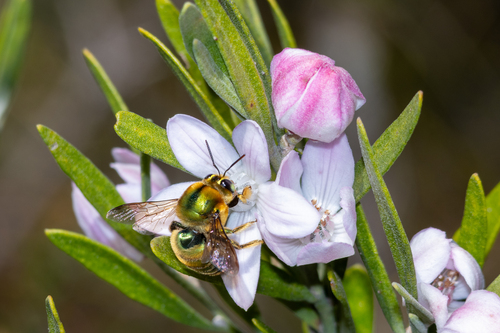
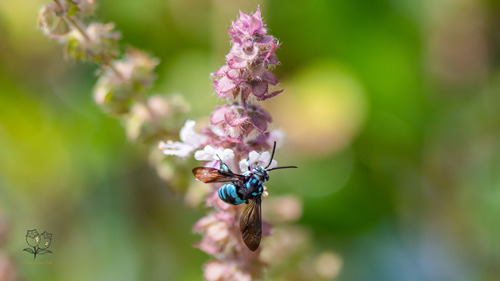
The closest relatives of the Charcoal Stingless Bee that you can see in Blue Mountains National Park (family Apidae, Honey Bees, Bumble Bees, and Allies) are Golden-Green Carpenter Bee (about 10%), Neon Cuckoo Bee (about 10%) and Amegilla asserta (about 10%), with each one's daily chance of a sighting.

Where does the Charcoal Stingless Bee sighting chance come from?

GBIF citizen-science records

It is estimated from how often the Charcoal Stingless Bee is recorded against all the insects logged in Blue Mountains National Park (65 verified sightings from 2019 to 2026), calibrated against known sighting rates. Figures are rounded to the nearest 10% because citizen-science data supports honest approximations, not decimals, and months with records from fewer than five people show "—". How it works.

← Back to Blue Mountains National Park