




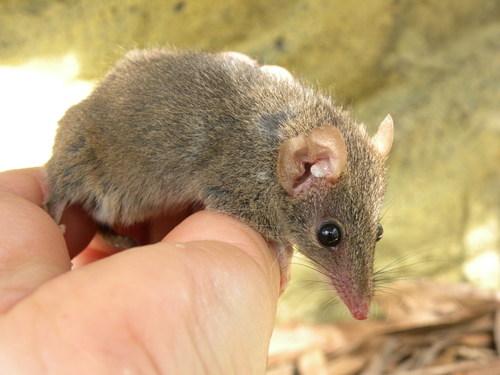


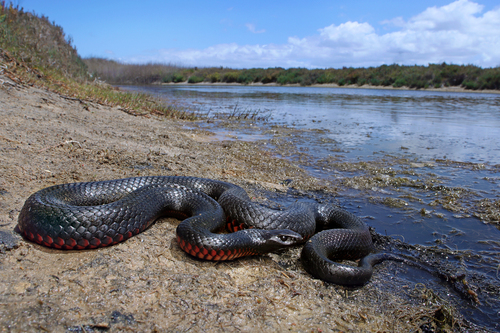


All 5 in 3 days here: ~80%
Royal National Park
🇦🇺 Australia
Oceania, Australia 709 spp. recorded
Royal National Park sits just south of Sydney, protecting a rugged stretch of coastal temperate forest, deep sandstone valleys, and heathlands. Unlike many reserves focused on inland outback, this protected area meets the ocean directly, wrapping dense eucalyptus canopies around dramatic sea cliffs and secluded beaches.
-34.115° S 151.063° E
🦜 Nature

347 Species sighted
69,482 Verified sightings From 2019 to 2026
Nov Best month
⭐ Iconic Species
📊 Most Spotted
⭐ Iconic Species
📊 Most Spotted
📊 Most Spotted
⭐ Iconic Species
📊 Most Spotted
📊 Most Spotted
📊 Most Spotted
🌙 Most active after dark
+ 474 more species with insufficient data
Challenges you can complete here
Recent sightings in Royal National Park
LIVEiNaturalistSighting Calendar
How many species you'd see in a day
59Jan
54Feb
50Mar
44Apr
40May
37Jun
35Jul
40Aug
50Sep
61Oct
62Nov
56Dec
Sighting Zones
Warmer areas are where all species together are recorded most often.
-
Wattle Forest
Daily sight. prob.vs avg Sulphur-crested Cockatoo~80%+10%
 Australian Water Dragon~70%≈
 Australian Wood Duck~70%+20%
 Lace Monitor~70%+20%
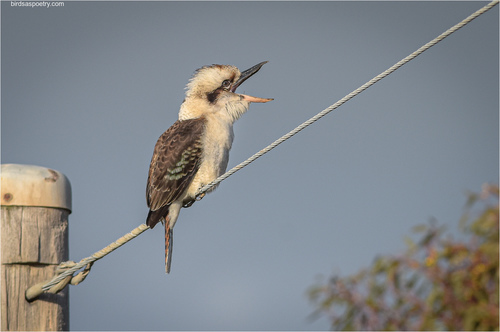
 Laughing Kookaburra~60%≈
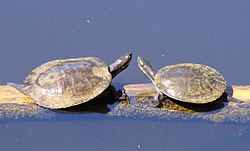 Hunter River Short-necked Turtle~60%+40%
 Coconut Lorikeet~60%-10%
 Noisy Miner~50%≈
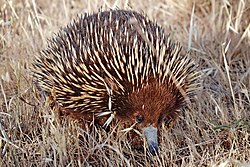 Short-beaked Echidna~50%≈
 Eastern Water Skink~50%≈
 Lewin's Honeyeater~50%-10%
 Australian Magpie~50%-10%
-
Kareena Park
Daily sight. prob.vs avg- Australian Magpie~80%+20%
- Australian Water Dragon~80%≈
 Grey-headed Flying-fox~70%+50%
- Noisy Miner~70%+20%
- Sulphur-crested Cockatoo~70%≈
- Coconut Lorikeet~70%≈
- Australian Wood Duck~70%+20%
 Peron's Tree Frog~50%+20%
 Common Ringtail Possum~40%+10%
- Eastern Water Skink~40%-10%
 Pied Currawong~40%-20%
 Broad-tailed Gecko~30%+10%
-
Lady Carrington Drive
Daily sight. prob.vs avg- Lewin's Honeyeater~70%+10%
- Sulphur-crested Cockatoo~70%-10%
 Eastern Yellow Robin~70%+10%
- Australian Water Dragon~70%-10%
- Coconut Lorikeet~60%-10%
 Eastern Whipbird~60%≈
- Lace Monitor~60%+10%
- Laughing Kookaburra~50%-10%
 Australian Raven~50%-10%
- Pied Currawong~50%-10%
- Eastern Water Skink~50%≈
- Short-beaked Echidna~50%-10%
-
Wattamolla
Daily sight. prob.vs avg -
Deeban Spit Tidal Flats
Daily sight. prob.vs avg




🏕️ Experience
Essentials
Entrance
Paid
Tourism
High
Typical stay
1
dayTrails
Moderate
World Heritage
No
Climate
Temp °C Rain mm
JanFebMarAprMayJunJulAugSepOctNovDec
0.0 Excellent
Wallace's Line Score
How good is this park for seeing wildlife? 🦜
Biodiversity
ExcellentHow rich is the wildlife?
5.0
Species by taxon
🦅 Birds 459
🐒 Mammals 123
🦎 Reptiles 91
🐸 Amphibians 36
709 Total Species
828 Global average across 316 parks
57 Threatened 287 Endemic
🔭
Sighting
Very goodHow likely to see animals?
3.5
🎯
Top-12 Avg Probability
64% 📊
Coverage (159 species at ≥5% of 709 in the inventory)
22% 🔀
Taxon variety in top 12 (10 bird, 2 reptile)
37% 🔭
Species per 10 outings (distinct species a visitor would meet over 10 outings — effort held equal across parks)
94 🌟
Iconic-group species (≥15%) (every species from the 19 iconic groups — monkeys, cats, toucans, macaws, sloths, crocodilians… — not just the 4 highlighted above)
14 ⭐
High-prob species (>40%)
27 🏕️
Experience
GoodHow easy and pleasant is the visit?
3.3
Climate Mixed Medium
Entrance Paid Low
Tourism High Low
Trails Moderate Medium
World Heritage No —
What visitors say
Although we did get a little video footage) After a well-earned lunch and a warm drink, we headed to a wetland area and were greeted by Royal Spoonbills (they always make me happy to see them), Chestnut and Grey Teals, Eastern Great Egrets, Australian Wood Ducks/Maned Duck, and some roosting Nankeen Night Herons.
By then, we had seen the birds most people come for — the owls, the lyrebirds, the catbird.
As soon as the rain eased, the wildlife began to emerge: we suddenly found ourselves in the midst of a mixed flock of fantails, scrubwrens and honeyeaters, with White-throated Treecreepers and Variegated Fairy-wrens tagging along for variety's sake.
We’ve seen all kinds of animals on our ‘critter walks’ in the park, from sugar gliders and pythons to dolphins and lyrebirds.
Before you go
What animals can you see in Royal National Park?
709 species
Royal National Park has 709 recorded vertebrate species. The ones wildlife watchers report most often on a given day are Sulphur-crested Cockatoo (about 80%), Australian Water Dragon (about 70%), Coconut Lorikeet (about 70%), Laughing Kookaburra (about 70%) and Australian Raven (about 70%). Among mammals, the most-seen is Short-beaked Echidna (about 50%); among amphibians, Common Eastern Froglet (about 30%).
When is the best time to visit Royal National Park for wildlife?
September to November
In those months the park's 12 most-seen species average about 70% on a given day, against about 50% in May to July.
Can you see a Koala in Royal National Park?
Yes
About 20% of wildlife watchers report a Koala sighting in Royal National Park on a given day, based on 38 verified sightings from GBIF citizen-science data from 2019 to 2026. The best time is October (about 40%).
Can you see a Swamp Wallaby in Royal National Park?
Yes
About 30% of wildlife watchers report a Swamp Wallaby sighting in Royal National Park on a given day, based on 47 verified sightings from GBIF citizen-science data from 2019 to 2026. The best time is May to August (about 40%).
Can you see an Australian Water Dragon in Royal National Park?
Yes
About 70% of wildlife watchers report an Australian Water Dragon sighting in Royal National Park on a given day, based on 435 verified sightings from GBIF citizen-science data from 2019 to 2026. The best time is October to March (about 80%).
Where in Royal National Park is wildlife easiest to see?
Around Wattle Forest
The richest sighting zone is around Wattle Forest, followed by Kareena Park and Lady Carrington Drive, ranked by how many of the park's headline animals visitors can expect to see in each. See the zones on the map.
Is Royal National Park good for wildlife watching?
4.0 out of 5
On the Wallace's Line Score, Royal National Park rates 4.0/5: 111th of 316 parks worldwide and 4th in Oceania. 35 of its species are reported by about 40% or more of wildlife watchers on a given day.


