Whitewater Rockmaster

Whitewater Rockmaster

Diphlebia lestoides

Endemic
Daily sighting probability ~10% · With luck
at Blue Mountains National Park

In 3 days ~20% in a week ~40%

23 Verified sightings at Blue Mountains National Park From 2019 to 2026
272 In all 5 parks
November Best month
☀️ Diurnal When it's spotted

About the Whitewater Rockmaster

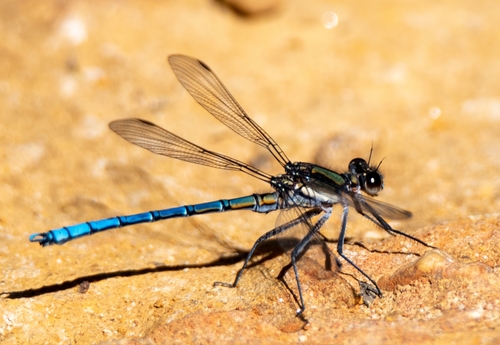
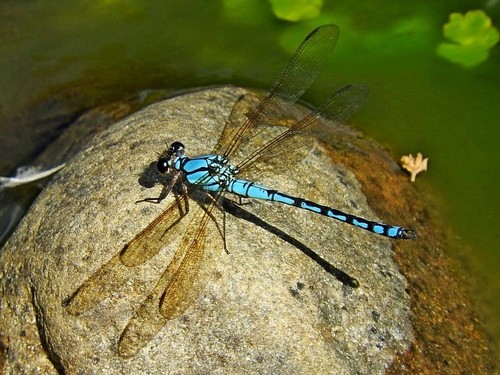
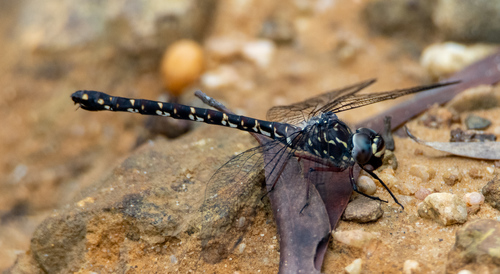
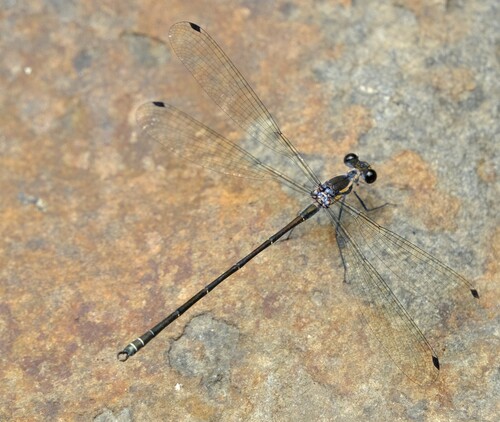
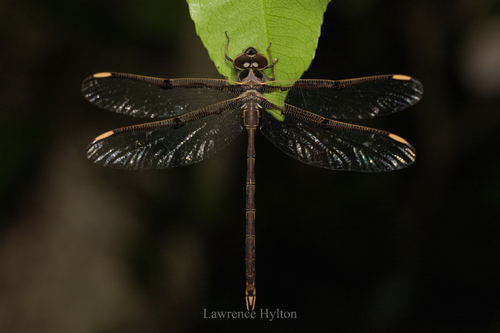
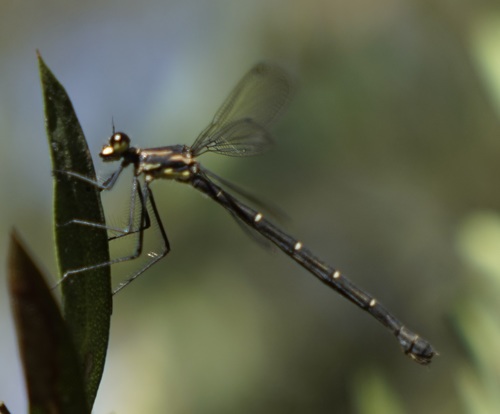
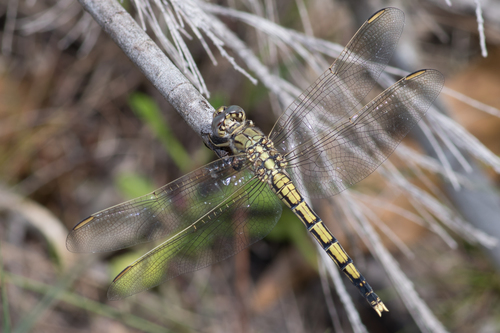
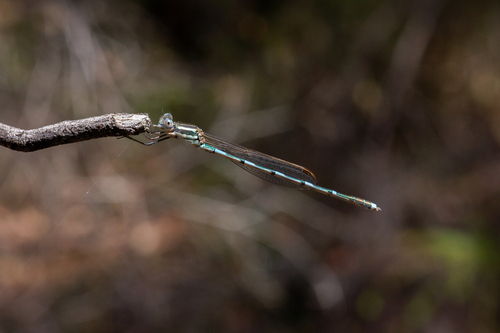
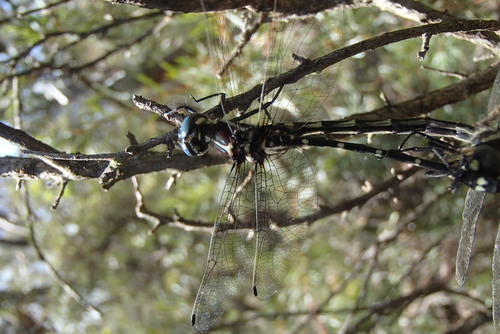
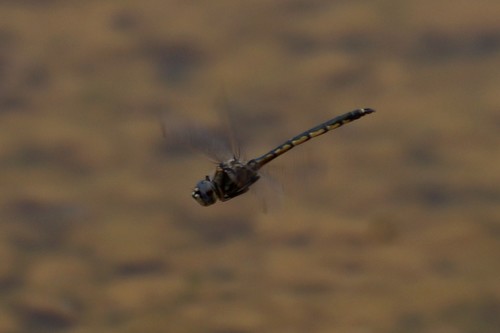
Diphlebia lestoides is a species of Australian damselfly in the family Lestoideidae, commonly known as a whitewater rockmaster. It is endemic to south-eastern Australia, where it inhabits streams and rivers. Diphlebia lestoides is a large, solid-looking damselfly; the male is a blue to grey colour with black markings, while the female has a more muted colouring. It sits with its white marked wings spread out.

The genus name Diphlebia is derived from the Greek δίς (dis, "twice" or "double") and φλέψ (phleps, "vein"), likely referring to distinctive wing venation. The species name lestoides combines Lestes, a genus name derived from the Greek λῃστής (lēstēs, "robber"), with the suffix -ώδης (-ōdēs, "resembling"), referring to its resemblance to Lestes.

List of Odonata species of Australia Wikipedia →

Global Distribution

Parks Where Found

# Park Country Daily sighting probability
1 Lamington National Park 🇦🇺 Australia
~30%
2 Springbrook National Park 🇦🇺 Australia
~10%
3 Royal National Park 🇦🇺 Australia
~10%
4 Kosciuszko National Park 🇦🇺 Australia
~10%
5 Blue Mountains National Park 🇦🇺 Australia
~10%

Before you go

What are the chances of seeing a Whitewater Rockmaster in Blue Mountains National Park?

With luck

About 10% of wildlife watchers report a Whitewater Rockmaster sighting in Blue Mountains National Park on a given day, based on 23 verified sightings from GBIF citizen-science data from 2019 to 2026. It is the 258th most-seen of the 789 insects we can rate there. Over three days the chance rises to about 20%, and over a week to about 40%, if each day is a fresh chance.

When is the best time to see a Whitewater Rockmaster in Blue Mountains National Park?

November

In that month about 20% of wildlife watchers report a Whitewater Rockmaster in Blue Mountains National Park on a given day, against under 5% in January to September, the lowest months.

What time of day is best to see a Whitewater Rockmaster?

Between 10 am and 1 pm

Across all the parks we cover, that three-hour window holds the most Whitewater Rockmaster sightings with a recorded time, and nearly all of them come between 6 am and 6 pm: it is a daytime animal.

Is Blue Mountains National Park the best place to see a Whitewater Rockmaster?

5th of 5

Of the 5 parks where we can rate Whitewater Rockmaster sightings, Blue Mountains National Park ranks 5th at about 10%. The best odds are in Lamington National Park (Australia, about 30%), Springbrook National Park (Australia, about 10%) and Royal National Park (Australia, about 10%).

Where does the Whitewater Rockmaster sighting chance come from?

GBIF citizen-science records

It is estimated from how often the Whitewater Rockmaster is recorded against all the insects logged in Blue Mountains National Park (23 verified sightings from 2019 to 2026), calibrated against known sighting rates. Figures are rounded to the nearest 10% because citizen-science data supports honest approximations, not decimals, and months with records from fewer than five people show "—". How it works.

← Back to Blue Mountains National Park